
A professionally neutralized, permanently scent-free interior protects asset value, sharpens guest experience, and cuts health and liability risk in one visit. For luxury cars, yachts, high-end real estate, and hospitality properties, that is not a minor amenity upgrade. It is a direct line to faster turnover, stronger reviews, and fewer costly re-cleans.
The core advantage: Permanent odor neutralization removes the source compounds, not just the smell. That distinction separates a protected asset from one that fails its next showing, inspection, or VIP check-in.
The advantages of scent-free interiors go well beyond comfort. Masterodorremoval delivers same-day, green-certified permanent neutralization for exactly these settings, using licensed technicians and no ozone or chlorine.
Key Takeaways
Permanently neutralized, scent-free interiors protect asset value, accelerate turnover, and reduce health and liability risk across every luxury asset class.
| Point | Details |
|---|---|
| Permanent beats masking | Neutralization removes odor molecules at the source; masking leaves the contamination and the risk of return. |
| HVAC is non-negotiable | Skipping duct treatment is the most common cause of odor return after cleaning. |
| Same-day is achievable | Most jobs complete in 3–6 hours; some deep salvage requires a follow-up visit. |
| Green-certified methods protect materials | Ozone and chlorine damage leather, fabrics, and electronics; enzymatic and catalytic alternatives do not. |
| Masterodorremoval | Provides same-day, green-certified, licensed odor removal for luxury vehicles, yachts, real estate, and hospitality properties across the United States. |
Table of Contents
- What are the real advantages of scent-free interiors for luxury assets?
- How professional permanent odor removal actually works
- When should you prioritize same-day permanent treatment?
- What a same-day service visit actually looks like
- What drives the cost of professional odor removal?
- How to vet a provider before you book
- Aftercare that keeps interiors scent-free
- A same-day luxury vehicle treatment: how it plays out
- Why Masterodorremoval uses green-certified, non-ozone methods
- Masterodorremoval: same-day, permanent odor removal for luxury assets
- Sources
What are the real advantages of scent-free interiors for luxury assets?
Permanently odorless spaces deliver measurable, monetizable benefits across every asset class:
- Resale and rental value: Lingering tobacco, pet, or mildew odors are among the fastest ways to drop a perceived price. Buyers and renters discount heavily when they detect a smell, even when the property is otherwise pristine.
- Guest and tenant satisfaction: Neutral interiors generate fewer complaints, better reviews, and higher repeat bookings. A single odor complaint in a luxury suite or charter yacht can cost far more than the treatment itself.
- Health and indoor air quality: Odor-causing compounds often carry particulates and VOCs that trigger allergies and respiratory reactions. Allergy-safe removal methods reduce exposure for sensitive guests and staff.
- Surface and material preservation: Odor molecules from smoke, pet urine, and mold accelerate breakdown of leather, upholstery, and finishes. Removing them early extends the life of expensive soft goods.
- Liability and brand protection: A documented, professionally treated interior reduces reputational risk and gives property managers a paper trail if a dispute arises.
- Operational efficiency: Faster turnover, fewer repeat cleaning calls, and lower long-term maintenance costs. As Orkin’s commercial odor guidance notes, effective odor management also prevents pest attraction, protecting the property on multiple fronts.
Pro Tip: Schedule odor treatment immediately after a problem tenant or charter guest departs, not the day before the next arrival. That window gives the treatment time to fully set and gives you a verified result before the next client walks in.
How professional permanent odor removal actually works
Permanent neutralization targets odor-causing molecules at their source. Masking sprays change what you smell temporarily; professional treatment changes the chemistry.
The process follows a logical sequence:
- Inspection and odor mapping: Technicians identify source zones, including HVAC ducts, porous materials, and sub-surface reservoirs. As Prochem Bahamas explains, a lingering odor almost always signals contamination in porous materials or the HVAC system, not just surface residue.
- Source removal or remediation: Saturated materials (insulation, padding, subflooring) are removed or treated before any neutralizer is applied.
- Deep cleaning of porous surfaces: Upholstery, carpet, headliners, and wall finishes are cleaned with surface-safe products appropriate for luxury materials.
- HVAC and duct treatment: Odor compounds recirculate through air systems. Skipping this step is the single most common reason odors return.
- Targeted neutralization: Enzymatic deodorizers deploy bacteria and enzymes that break down organic compounds at the molecular level, delivering longer-lasting results than masking. Catalytic and oxidation-based neutralizers handle non-organic sources like smoke.
- Verification: Air sampling, sensory checks, and documented before/after photos confirm measurable neutralization.
Why avoid ozone and chlorine? Both damage leather, fabrics, and electronics, and both carry guest-safety concerns that are unacceptable in luxury settings. Green-certified, low-VOC enzymatic and catalytic technologies achieve the same neutralization without the material risk. Masterodorremoval’s science-backed workflow documents exactly this approach, combining surface remediation, HVAC treatment, and verification without either chemical.
Pro Tip: Request odor mapping documentation at the start of the job. A technician who can show you where the contamination is concentrated, and then show you the post-treatment sensory check, is giving you a defensible record, not just a verbal assurance.
When should you prioritize same-day permanent treatment?
Some scenarios cannot wait for a scheduled maintenance visit:
- Pre-showing or pre-delivery contamination: Discovered smoke, pet, or mildew odor 24–48 hours before a vehicle delivery, property showing, or yacht charter departure.
- VIP check-in: A luxury suite or private cabin with an odor complaint from the previous guest.
- Post-water-damage mold smell: Mold odor after a leak, even a minor one, spreads through HVAC quickly.
- Tobacco or heavy smoke residue: Cigarette and marijuana smoke penetrate headliners, upholstery, and drywall deeply enough that surface cleaning alone will not clear it.
- Repeated pet urine incidents: Uric acid crystals reactivate with humidity. One treatment that misses sub-surface saturation will fail within weeks.
- Commercial kitchen grease buildup: Food and grease odors in hospitality settings affect adjacent guest areas and require commercial-grade equipment to address hidden HVAC contamination.
The common thread: porous reservoirs and HVAC spread mean these odors will return without permanent neutralization. Fast action protects property value in ways that delayed treatment cannot recover.
What a same-day service visit actually looks like
A well-run same-day job moves quickly and leaves a documented result. Here is the typical sequence:
- Arrival and inspection (15–30 minutes): Technicians walk the space, identify source zones, and confirm scope before any product touches a surface.
- Targeted source treatment and deep cleaning (1–3 hours): Porous surfaces, upholstery, and affected materials are treated with surface-safe neutralizers. HVAC access panels are opened and treated.
- Air scrubbing and HEPA filtration (1–3 hours): HEPA air scrubbing runs concurrently or immediately after surface treatment to capture airborne particulates.
- Verification and client handoff (15–30 minutes): Sensory check, before/after photos, and a written service record.
Total window: typically 3–6 hours depending on size and severity. Some deep salvage jobs, particularly heavy smoke in large yachts or multi-room hotel suites, may require a follow-up visit. For timeline expectations by job type, Masterodorremoval publishes detailed guidance.
Prep requirements are minimal: provide access, remove valuables and electronics from treatment zones, and plan for the space to be unoccupied during air treatment.
Pro Tip: Block the asset for the full 6-hour window even if the job finishes early. Rushing the air-treatment phase is the most common cause of odor return within 48 hours.
What drives the cost of professional odor removal?
No two jobs price identically. The main variables:
- Space size and complexity: A single luxury car cabin versus a 100-foot yacht or a 10-room hotel floor are entirely different scopes.
- Odor source and severity: Light food odor in a vehicle is a fraction of the cost of heavy tobacco saturation in upholstered walls.
- Affected materials: Leather, silk, and specialty finishes require surface-safe products and more careful application time.
- HVAC involvement: Duct cleaning and treatment add scope but are non-negotiable for lasting results.
- Travel and same-day urgency: After-hours or same-day scheduling typically carries a premium.
- Pricing structure: Some providers quote flat service tiers; others itemize deep cleaning, neutralization, HVAC service, and follow-up separately. Both are legitimate. Ask for a written scope before approving.
When comparing bids, ask each provider: what materials will be treated, what neutralization technology is used, does the quote include HVAC, and what does the guarantee cover?
Pro Tip: An unusually low bid that omits HVAC treatment is a red flag. Odors recirculate through air systems, and skipping that step almost guarantees a callback, at your expense.
How to vet a provider before you book
Choose a provider who diagnoses the source, uses green-certified non-ozone methods, and backs the work with a written guarantee. That is the minimum bar.
Questions to ask on the phone:
- Do you inspect and treat HVAC ducts as part of the job?
- What neutralization technology do you use, and is it ozone-free?
- Can you provide before/after documentation?
- What does your guarantee cover, and for how long?
- Do you have references from luxury vehicle, yacht, or hospitality clients?
Credentials to require: licensed technicians, alignment with IICRC or IAQA standards, liability insurance, and verifiable references. Eco-friendly odor removal standards give you a baseline for what green-certified practices actually mean in practice.
Red flags: masking sprays presented as the primary solution, ozone treatment without a detailed safety and material-protection plan, vague guarantees with no written terms, and no documentation process.
Aftercare that keeps interiors scent-free
Light, consistent maintenance prevents most odor returns after professional treatment:
- Change HVAC filters on schedule: Monthly in high-occupancy settings, quarterly at minimum elsewhere.
- Run HEPA air scrubbing during high-turnover periods: Back-to-back charters or hotel blocks benefit from a portable unit running between guests.
- Apply targeted enzymatic spot treatments to drains, upholstery seams, and high-risk zones every 60–90 days in humid climates. Enzymatic solutions reduce lifecycle costs by cutting the frequency of intensive re-cleans.
- Enforce source-removal policies: No smoking in vehicles or cabins, immediate spill cleanup, prompt reporting of water intrusion.
For yachts, the green-certified yacht maintenance guide covers seasonal recheck scheduling tied to charter cycles. Property teams should log every treatment date and product used, then schedule seasonal rechecks aligned to occupancy peaks.
A same-day luxury vehicle treatment: how it plays out
Masterodorremoval’s Boca Raton luxury car case study illustrates the standard workflow for a high-value vehicle with heavy tobacco contamination discovered before client delivery.
The sequence:
- Initial inspection and odor mapping of cabin, trunk, and HVAC system.
- Targeted source removal: headliner, seat seams, and carpet padding treated with surface-safe enzymatic neutralizers.
- HVAC duct treatment and cabin air filter replacement.
- HEPA air scrubbing run for the full treatment window.
- Catalytic neutralizer applied to residual smoke compounds on hard surfaces.
- Verification sensory check and before/after photo documentation provided to the client.
Outcome: The vehicle reached sensory-neutral levels within the same-day window, with no odor return reported within the guarantee period. The client confirmed delivery-ready condition.
The eco-friendly vehicle workflow Masterodorremoval uses applies the same logic to yachts and hotel suites, scaling the HVAC and air-scrubbing phases to the size of the space.
Why Masterodorremoval uses green-certified, non-ozone methods
Ozone and chlorine treatments can neutralize odors, but they do it by oxidizing everything in the space, including leather, silk, electronics, and the lungs of anyone who re-enters too soon. For luxury interiors, that tradeoff is unacceptable. Green-certified enzymatic and catalytic technologies achieve the same permanent neutralization without damaging materials or requiring extended re-entry delays.
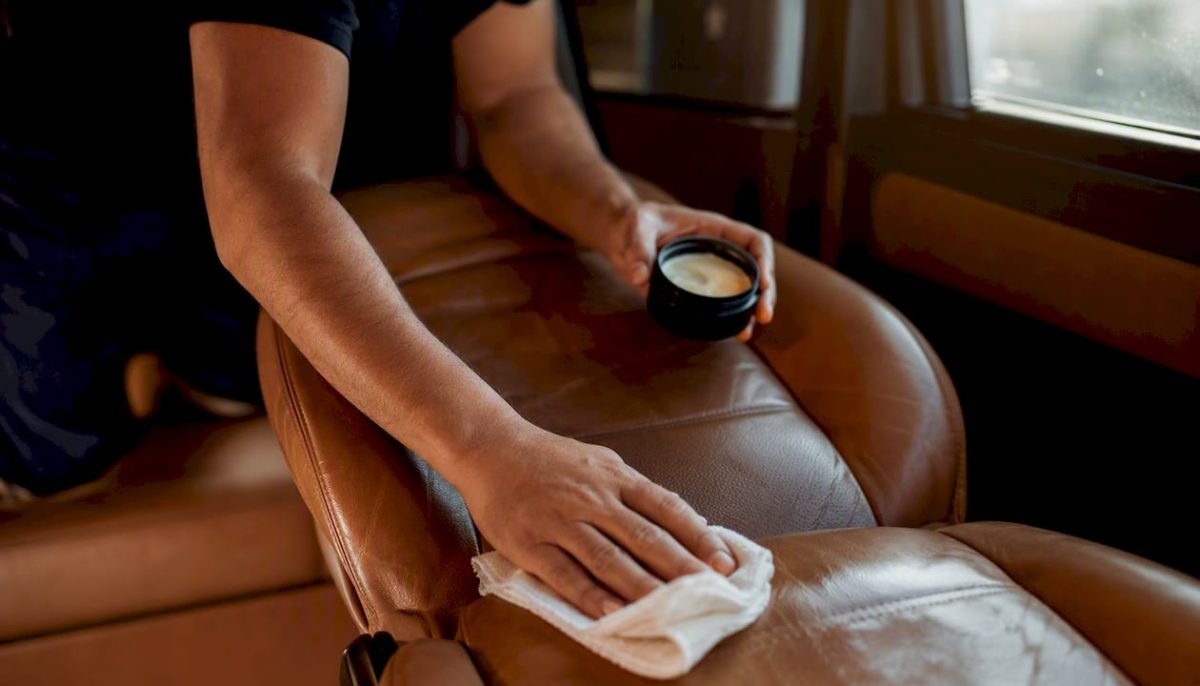
Masterodorremoval’s licensed technicians are trained specifically for high-value settings where surface safety and documented results matter as much as the odor outcome itself. Same-day availability means urgent jobs, pre-delivery, pre-showing, or post-incident, get handled before they become expensive problems.
Masterodorremoval: same-day, permanent odor removal for luxury assets
When a tobacco-saturated vehicle, a mold-smelling yacht cabin, or a hotel suite with a guest complaint needs to be show-ready today, the answer is a provider who shows up, diagnoses the source, treats the HVAC, and hands you documentation.

Masterodorremoval offers same-day commercial odor removal for luxury cars, yachts, real estate, hotels, and commercial properties across the United States. Every job includes inspection, targeted source treatment, HEPA air scrubbing, and a written service guarantee, using only green-certified, ozone-free, chlorine-free methods. Book a same-day inspection at Masterodorremoval and get a documented result before your next client arrives.
Sources
- Choosing a Commercial Odor Removal Service: A Guide to Selecting the Best Providers in the Industry – Restoration 411
- When to Hire a Professional Odor Removal Service
- Why Seattle Commercial Spaces Need Enzymatic Deodorizer Treatment – QB Clean
- Odor Control in Commercial Spaces: What to Know | Orkin
Recommended
- Odor neutralization: eco-friendly solutions for luxury – Master Odor Removal
- Eco-friendly deodorization: Expert steps for luxury properties – Master Odor Removal
- The Role of Odor-Free Environments in Premium Rentals – Master Odor Removal
- How personalized odor services transform luxury properties – Master Odor Removal
Recent Comments