
TL;DR:
- Odors directly influence guest perception, emotional memory, and long-term reviews in upscale hospitality. Relying solely on fragrance masking fails to remove underlying sources, risking detection and guest mistrust. Effective odor elimination at the source enhances brand reputation, guest comfort, and genuine luxury experience.
Guests will forget the thread count. They will forget the lobby art. But the smell of a room? That stays. Understanding why odors affect guest experience is not a nice-to-have piece of hospitality knowledge; it is foundational to how upscale venues are perceived, reviewed, and remembered. The real problem is that most properties default to fragrance as a fix, layering scented diffusers over problems that never get solved. That approach fails quietly and consistently, and guests notice more than you think.
Table of Contents
- How odors influence guest perception and satisfaction
- Health and comfort effects of indoor odors in hospitality environments
- Why masking odors with fragrance falls short in upscale venues
- How upscale hospitality creates controlled scent experiences
- Practical strategies for effective odor removal in upscale hospitality spaces
- Why focusing beyond fragrance is the crucial next step for upscale hospitality
- Enhance your guest experience with expert odor removal solutions
- Frequently asked questions
Key Takeaways
| Point | Details |
|---|---|
| Odor shapes perception | Guests remember and judge hospitality spaces largely based on how they smell, impacting satisfaction and loyalty. |
| Fragrance masking fails | Relying on scents alone can backfire as underlying odors resurface, damaging trust and comfort. |
| Health impacts matter | Unpleasant odors can cause physical symptoms and stress, affecting guest wellbeing and experience. |
| Root-cause control needed | Effective odor removal targets sources like moisture and HVAC, not just surface cleaning or scent. |
| Scent design complements | Well-researched signature scents enhance guest experience when combined with strong odor management. |
How odors influence guest perception and satisfaction
Smell is the only sense with a direct line to the brain’s limbic system, the region governing emotion and memory. Every other sense is routed through the thalamus first. This means odor bypasses rational filtering and lands directly in emotional memory, which is why a faint musty smell can make a guest feel vaguely uneasy without being able to say exactly why.
The impact of smell on hospitality goes well beyond whether a room smells pleasant. Guests use smell as a proxy for cleanliness. A visually spotless room with even a faint odor of mildew, stale food, or smoke will register as unclean. No amount of fresh linens or polished surfaces overrides that judgment. Odors and customer experience are tightly linked because smell operates below conscious awareness, shaping impressions before guests have time to form deliberate opinions.
Here is what the research and operational reality confirm about odor perception in upscale venues:
- Guests remember how a room smelled long after visual details fade
- Odor triggers emotional responses that attach to your brand, positively or negatively
- A single bad smell experience increases the likelihood of a negative review
- Fragrance without odor removal creates a layered, artificial smell that experienced guests find off-putting
“Guests won’t forget how a room smelled; odor is processed directly by the brain’s emotion and memory centers.”
UKHospitality, Breaking the Cycle of Odours
The connection between odor impact on guest reviews and repeat bookings is well established. A property that consistently smells fresh earns trust that décor upgrades alone cannot manufacture.
Health and comfort effects of indoor odors in hospitality environments
Understanding odors’ emotional effects leads naturally to recognizing their significant health and comfort impacts in hospitality settings. This is where the conversation shifts from perception to physiology.
Unpleasant indoor odors produce symptoms including headaches, nausea, eye and throat irritation, and stress responses. These are not rare sensitivities. They are documented reactions that affect a broad segment of guests, especially in enclosed spaces with poor ventilation or embedded odor sources. For a property where a guest spends eight or more hours overnight, this is a meaningful health concern, not just an aesthetic one.
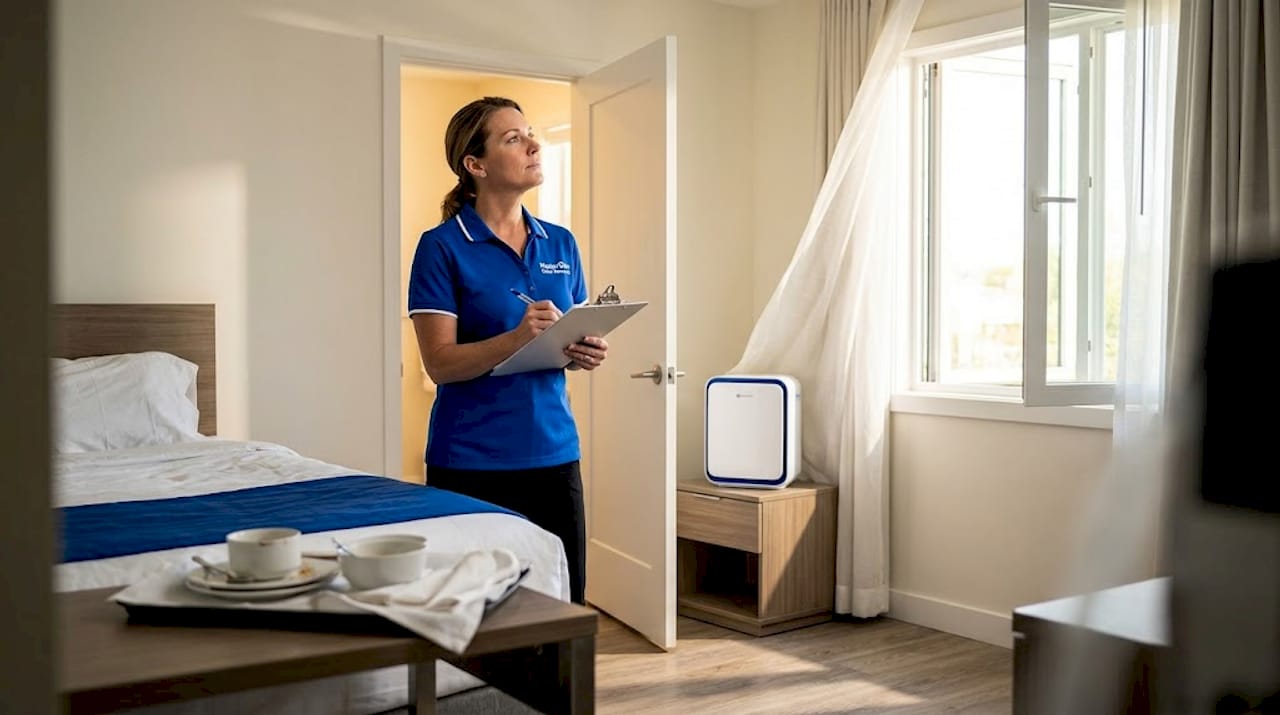
The link between indoor odors and Sick Building Syndrome is particularly relevant for older properties or those with aging HVAC systems. Guests may not identify the cause of their discomfort, but they will associate feeling unwell with your property. That association drives negative reviews and eliminates any chance of a return visit.
Beyond acute symptoms, consider the psychological dimension. Odors contribute to a sustained low-level stress response when they are intrusive or persistent. A guest who cannot fully relax in their room is not having a luxury experience regardless of what they paid for the suite. Guest satisfaction and odors are linked in ways that go much deeper than housekeeping scores.
Pro Tip: Survey departing guests specifically about comfort and air quality, not just cleanliness. Guests who mention any sense of stuffiness or smell in informal feedback are signaling an indoor air quality problem that your cleaning scores may not capture.
Addressing indoor air quality improvements proactively, rather than waiting for complaints, is the difference between reactive and genuinely premium hospitality. And controlling indoor odors at the source is the only approach that produces lasting results.
Why masking odors with fragrance falls short in upscale venues
Having established odors’ impacts, the next logical question is why so many properties still reach for a fragrance diffuser as a first response. The honest answer is that it feels like a solution. It is immediate, visible to staff, and produces a temporarily pleasant environment. The problem is what happens next.
Fragrance masking does not touch the odor source. Tobacco particulates embedded in upholstery, mold growth in a bathroom ceiling cavity, or pet odors saturated into carpet backing are completely unaffected by any diffused scent. The fragrance simply competes with the underlying odor until it fades, at which point the original problem reasserts itself, often more noticeably because the contrast is sharper.
Here is why this cycle is particularly damaging in upscale hospitality:
- Experienced guests detect the masking. Regular travelers recognize the specific combination of strong fragrance plus underlying odor. They associate it immediately with poor housekeeping rather than a pleasant environment.
- Reactive re-cleans create a pattern. Fragrance levels increase and reactive re-cleans become routine, but the root cause remains untouched.
- Some guests have fragrance sensitivities. Heavy diffuser use creates a secondary complaint stream from guests who react physically to strong artificial scent, compounding the original problem.
- Trust erodes incrementally. When a room smells strongly of air freshener on check-in, guests often wonder what it is covering up. This suspicion colors their entire stay before they have unpacked.
“Relying on fragrance can create suspicion and fail when the fragrance fades, exposing underlying odors often more noticeably.”
UKHospitality, Breaking the Cycle of Odours
The path to genuine freshness runs through effective odor removal services that eliminate sources permanently, not just mask them until the next complaint arrives.
How upscale hospitality creates controlled scent experiences
Moving from the risks of masking to the benefits of intentional scent design shows what is actually possible when properties treat smell as a deliberate element of the guest experience rather than a maintenance problem.
The importance of scent in hotels, when handled correctly, goes well beyond avoiding bad smells. The world’s most recognized luxury brands have invested heavily in signature scents precisely because smell is the sensory shortcut to brand memory. But a signature scent is only effective when it operates in a genuinely odor-free environment. Layering a beautiful fragrance over embedded tobacco or mildew is like applying premium paint over crumbling plaster.
Creating a hotel signature scent involves multi-phase research including customer input to validate appeal, ambiance alignment, and appropriate intensity, ensuring the aroma system is controlled and consistent. This is not a quick decision made with a catalog sample.
Key elements of a controlled scent program that actually works:
- Root-cause odor elimination first. No signature scent survives competing with embedded odors.
- Guest input during development. Scent appeal is subjective; validated feedback prevents costly mistakes.
- Diffusion intensity mapped by zone. Lobby intensity should differ from guest rooms and spa areas.
- Seasonal and humidity adjustments. Scent behaves differently in humid climates; intensity must be calibrated.
| Zone | Recommended intensity | Primary goal |
|---|---|---|
| Lobby / entrance | Moderate to noticeable | Brand impression, arrival experience |
| Guest rooms | Subtle, barely detectable | Comfort, neutrality, sleep quality |
| Spa / wellness areas | Low, nature-forward | Relaxation, calm |
| Corridors | Very low | Freshness, cleanliness signal |
Pro Tip: Treat your corridor scent as a cleanliness signal, not a branding opportunity. Guests transitioning from a scented lobby to an odor-free corridor feel the property is genuinely clean. A strong fragrance in corridors often signals the opposite.
Personalized odor services tailored to your property type create the foundation that makes any scent program worth investing in.
Practical strategies for effective odor removal in upscale hospitality spaces
After explaining scent design, the operational question becomes: how do you actually eliminate odor sources rather than just managing their symptoms? This is where how odors influence visitors goes from theory to action.
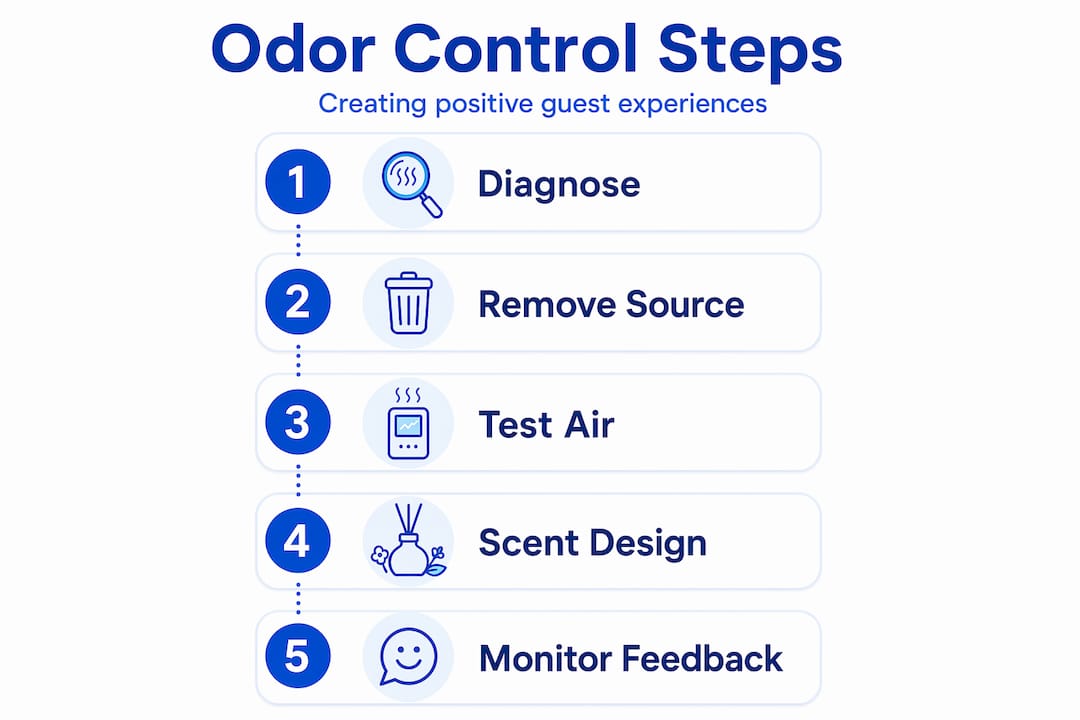
Why smells matter in service sectors comes down to permanence. A guest who smells something unpleasant on day one of a three-night stay does not forget it on day three. Odor removal strategies must treat odor as a root-cause issue involving reservoirs, HVAC, moisture, and cleaning-product interaction rather than a surface problem. This reframes the entire approach.
- Audit HVAC and ventilation systems. Odor reservoirs in ductwork recirculate smells throughout a property regardless of how thoroughly individual rooms are cleaned.
- Address moisture sources before they become mold. Grout lines, ceiling cavities above bathrooms, and poorly sealed windows are frequent odor generation points that cleaning products do not reach.
- Target fabric and porous surface reservoirs. Upholstery, carpet backing, mattresses, and curtains absorb and re-release odors for months. Surface cleaning does not penetrate the reservoir.
- Implement a monitoring schedule. Validated inspections and guest feedback are the only reliable way to confirm that odor removal has been effective rather than assumed.
- Train housekeeping to identify, not just clean. Staff who can recognize early signs of mold, moisture intrusion, or embedded odors become your first line of defense.
| Approach | Addresses root cause | Long-term effectiveness | Guest trust impact |
|---|---|---|---|
| Air freshener / fragrance | No | Low | Reduces trust if masking is detected |
| Surface cleaning only | Partial | Moderate | Neutral |
| Professional odor elimination | Yes | High | Significantly increases trust |
| HVAC servicing plus odor removal | Yes | Very high | Strong positive impact |
Preventing odors sustainably reduces both guest complaints and the labor costs associated with reactive re-cleaning. And working with professional odor removal specialists ensures the elimination is permanent rather than cyclical.
Why focusing beyond fragrance is the crucial next step for upscale hospitality
Here is the uncomfortable truth that most hospitality operators already know but rarely act on: fragrance is a short-term reputation patch, not a guest experience strategy. Properties that treat odor management as a maintenance task to be handled reactively are making a very expensive mistake, measured in lost reviews, lost repeat bookings, and lost brand credibility.
The real competitive advantage in upscale hospitality is not in adding more fragrance. It is in creating environments that smell genuinely clean because they are genuinely clean. That requires a fundamentally different mindset, one that treats indoor air quality as a core hospitality asset rather than a housekeeping line item.
What we see consistently is this: operators invest heavily in visible upgrades, new furniture, better lighting, premium bedding, while ignoring the invisible ones. But smell is the sense that determines whether all those investments feel premium or just expensive. A beautiful room that smells stale is a failed luxury experience, full stop.
The operators who are building a genuine luxury edge through indoor air quality are not doing anything exotic. They are simply addressing odor at the source, using science-backed removal methods, and treating scent design as something that complements world-class cleanliness rather than substituting for it. That combination is rare enough in the industry that it becomes a true differentiator.
Scent marketing is legitimate and effective, but only when it operates on a clean foundation. The signature scent of a great hotel should reinforce the freshness that guests can already feel. It should never be the reason they do not notice what is underneath.
Enhance your guest experience with expert odor removal solutions
If the strategies above reflect how you want to run your property, the question becomes where to start. Diagnosing and eliminating embedded odors in upscale hospitality environments requires more than enhanced cleaning routines.

Master Odor Removal specializes in permanent odor elimination done right for properties that cannot afford reactive results. Using eco-friendly, green-certified methods without ozone or chlorine treatments, the team targets root causes including HVAC contamination, fabric reservoirs, moisture-driven mold odors, and tobacco or smoke saturation. Services are available same or next day, and every job is backed by a satisfaction guarantee. Whether you manage a boutique hotel, a luxury villa, or a high-end resort property, the odor removal specialists at Master Odor Removal deliver the kind of lasting freshness that fragrance alone never can. Explore why operators choose luxury interior odor solutions built specifically for environments where standards are non-negotiable.
Frequently asked questions
Why is relying solely on air fresheners a bad idea in hotels?
Air fresheners only mask odors temporarily and create guest suspicion when the underlying smell returns once the fragrance fades. Fragrance levels increase and reactive re-cleans become routine without ever solving the source problem.
How do odors affect guest health beyond comfort?
Unpleasant indoor odors can cause symptoms like headaches, nausea, and irritation, contributing to stress and potentially Sick Building Syndrome in poorly ventilated hospitality spaces.
What makes a successful signature scent in an upscale hotel?
A successful signature scent is carefully designed with guest input, validated for appeal and intensity across zones, and diffused in a genuinely odor-free environment. Creating a signature scent involves multi-phase research to confirm ambiance alignment and appropriate diffusion levels.
How can property managers ensure lasting odor removal?
By targeting root causes like moisture, HVAC contamination, and organic residues rather than surface symptoms. Effective odor control requires addressing reservoirs and validating results with repeated inspections and direct guest feedback.
Recent Comments