
TL;DR:
- Indoor odors in luxury homes originate from sources like mold, pets, cooking, and smoke, requiring tailored solutions.
- Effective odor removal relies on source control, natural absorption, enzymatic neutralization, and filtration, avoiding harmful chemicals.
- Preventive measures such as low-VOC materials, humidity control, and professional assessments ensure long-term freshness.
Stubborn indoor odors don’t discriminate based on the price of your flooring or the thread count of your drapes. Even the most immaculate luxury residence can harbor persistent smells that quietly undermine the atmosphere you’ve invested heavily to create. The difference between a $50 air freshener and a real solution comes down to one thing: knowing exactly what you’re dealing with and responding with methods that actually work without introducing new pollutants. This guide walks you through the major odor categories, their hidden causes, the most effective eco-friendly control strategies, and practical recommendations built specifically for high-end interiors.
Table of Contents
- Understanding the main types of indoor odors
- Causes and chemistry behind persistent odors
- Comparing eco-friendly odor control strategies
- Odor solutions for high-end interiors: Real-world scenarios
- What most luxury homeowners get wrong about indoor odors
- Need proven, sustainable odor removal for your luxury property?
- Frequently asked questions
Key Takeaways
| Point | Details |
|---|---|
| Identify the odor source | Pinpointing the root cause is essential before selecting the best eco-friendly solution for your home. |
| Choose sustainable solutions | Opt for non-toxic absorption methods, natural purifiers, and certified materials to protect health and luxury interiors. |
| Prioritize prevention | Regular maintenance and proper ventilation prevent persistent odors in high-end living spaces. |
| Consult odor removal experts | For complex or persistent odors, professional specialists provide safe, effective treatments tailored to luxury properties. |
Understanding the main types of indoor odors
Not all indoor odors behave the same way, and treating them as if they do is one of the most common mistakes in luxury property management. Before you can choose the right solution, you need to understand where the smell is actually coming from.
Indoor odors are categorized into four major groups: building materials and furnishings, human activities (including cooking, cleaning products, and tobacco), combustion products, and biological sources such as mold, microbes, and pets. This framework matters because each category responds to different removal strategies.
Here’s a quick breakdown of the most common odor sub-types and their typical sources:
- Food and cooking odors: Grease particles, spices, and volatile organic compounds (VOCs, meaning airborne chemicals released during cooking) absorbed into porous surfaces like cabinetry, upholstery, and drywall
- Pet odors: Dander, urine proteins, and sebaceous (skin-based) secretions embedded in textiles, flooring, and HVAC systems
- Musty and mold odors: Microbial growth in wall cavities, subfloors, and HVAC ducts, often invisible to the eye
- Bathroom and drain odors: Biofilm buildup, P-trap evaporation, and sewer gas infiltration through plumbing
- Smoke odors: Tobacco, marijuana, or fire-related compounds that bond chemically with surfaces and penetrate deep into finishes
| Odor type | Primary source | Typical surface affected |
|---|---|---|
| Food/cooking | Grease, VOCs | Cabinetry, upholstery, walls |
| Pet | Dander, urine proteins | Carpet, textiles, HVAC |
| Musty/mold | Microbial growth | Walls, subfloors, ducts |
| Bathroom/drain | Biofilm, sewer gas | Plumbing, tiles |
| Smoke | Chemical bonding | All porous surfaces |
For luxury homes specifically, the challenge intensifies. Rare wood paneling, hand-woven rugs, and imported stone create unique porous environments that trap odors in ways standard construction materials don’t. A musty smell in a standard apartment is a nuisance; the same smell in a cedar-lined library or a silk-wallpapered drawing room can cause irreversible material damage if left unaddressed.
The EPA’s indoor air quality research confirms that source identification is the single most critical step before any treatment. Masking an odor without addressing its source guarantees that the problem returns, often worse. Exploring eco-friendly odor solutions early in the process gives you a significant advantage in protecting both your air quality and your investment.
Causes and chemistry behind persistent odors
Knowing what type of odor you have is step one. Understanding why it won’t go away is where most homeowners get stuck.
Odors don’t simply sit in the air. They evolve through chemical transformations and microbial metabolism, producing compounds like geosmin (the molecule responsible for that earthy, musty smell) through spatiotemporal distribution affected by ventilation patterns. In plain terms, the smell you notice today may be chemically different from the smell that first appeared last month.
Luxury interiors often create microclimates, enclosed rooms with low air exchange, heavy textiles, and temperature-controlled environments, that allow odors to concentrate and transform over time rather than dissipate.
Several factors drive persistence in high-end homes:
- Humidity: Elevated moisture accelerates microbial growth, which produces microbial VOCs (airborne chemicals from bacterial and fungal activity) that become self-sustaining odor sources
- Temperature: Warmer rooms speed up the chemical reactions that generate and spread odor molecules
- Ventilation rate: Homes with very tight sealing for energy efficiency can trap VOCs that would otherwise dilute outdoors
- Material porosity: Silk, wool, natural fiber rugs, and unsealed stone absorb and slowly release odor molecules over weeks or months
- HVAC distribution: A central system can circulate odor-producing particles throughout an entire property within hours
The musty smell in a rarely-used guest suite, for example, often isn’t mold you can see. It’s microbial VOC production happening inside wall assemblies or under flooring where humidity has been slowly accumulating for a season or two.
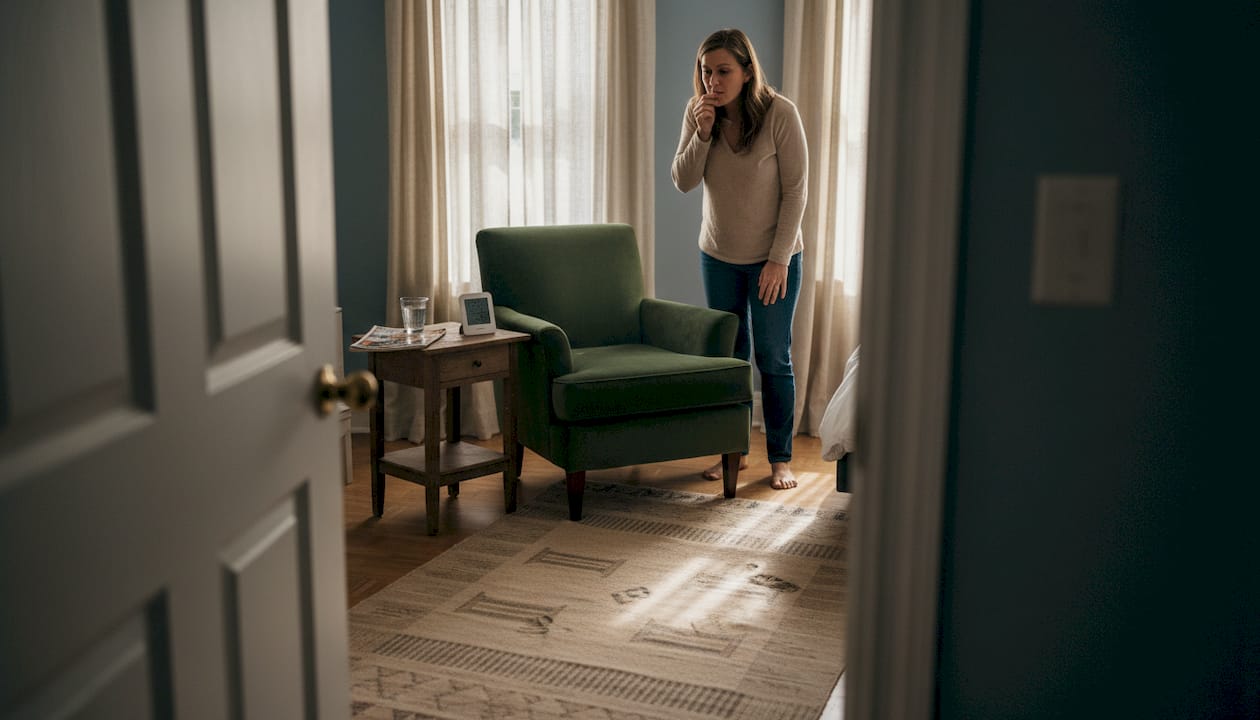
Pro Tip: Install a simple humidity monitor in rooms with heavy textile furnishings or limited natural ventilation. Keeping relative humidity below 50% is one of the most effective, lowest-cost preventive measures you can take against biological odor development.
For homeowners already dealing with a persistent problem, these odor removal tips provide a solid starting point for diagnosing the underlying cause before committing to any treatment.
Comparing eco-friendly odor control strategies
Once you understand how odors develop, you can evaluate control options with a more critical eye. Not every solution marketed as “natural” or “green” performs equally, and some popular methods can actually make things worse in luxury environments.
Here’s a clear comparison of the leading approaches:
| Method | Effectiveness | Safe for luxury materials | Eco-friendly |
|---|---|---|---|
| HEPA/activated carbon filtration | High | Yes | Yes |
| Natural absorbers (charcoal, baking soda) | Moderate | Yes | Yes |
| Enzyme-based neutralizers | High (biological odors) | Yes | Yes |
| Ozone generators | High but harmful | No | No |
| Chemical masking sprays | Low (temporary) | Risk of staining | No |
| Zinc ricinoleate/cyclodextrin agents | High | Yes | Yes |
The EPA recommends HEPA/activated carbon purifiers and smart sensors, and confirms that natural protocols using vinegar and enzyme-based cleaners reduce VOCs without introducing new pollutants. This is particularly important for luxury properties where the treatments themselves could damage irreplaceable finishes.
The most effective eco-friendly approach combines several methods in sequence:
- Source control first: Replace or seal emission sources; specify certified low-VOC materials for any renovation work
- Natural absorption: Deploy activated charcoal or baking soda in enclosed spaces to pull ambient odor molecules from the air passively
- Enzyme-based treatment: Apply enzyme cleaners directly to biological odor sources (pet accidents, drain biofilm) to break down the odor-producing proteins at a molecular level
- Filtration: Run HEPA/activated carbon air purifiers continuously in high-risk areas like kitchens, pet zones, and basements
- Smart monitoring: Use indoor air quality sensors to track VOC levels and catch developing problems early
Pro Tip: Cyclodextrin (a plant-derived molecule that traps odor compounds inside its ring structure) is a genuinely effective, luxury-safe ingredient worth requesting in professional odor treatments. It’s used widely in high-end hospitality for exactly this reason.
For a deeper look at how these methods align with professional standards, reviewing eco-friendly odor removal standards helps set the right expectations before hiring any service. You can also explore practical guidance from Consumer Reports on odor elimination strategies to supplement your planning.
Odor solutions for high-end interiors: Real-world scenarios
Strategy is useful. But what does it actually look like in practice inside a luxury property? Here are targeted, scenario-based approaches for the odor types most commonly found in high-value homes.
The governing principle across all scenarios is the same: primary control starts with source prevention using low-emission materials, then ventilation dilution, then terminal purification integrating chemistry, sensory science, and smart monitoring. Professional treatment should always follow this three-stage logic.
Kitchen and food odors
- Install a high-capacity range hood vented directly outside (not recirculating)
- Apply activated carbon panel inserts inside cabinetry to absorb residual grease VOCs
- Schedule periodic deep cleaning of range hood filters and the plenum space above your cooking area
Bathroom and drain odors
- Treat drains monthly with enzyme-based drain treatments that break down biofilm without harsh chemicals
- Verify P-traps in guest bathrooms are being maintained; evaporation allows sewer gas infiltration in rarely-used fixtures
- Increase exhaust fan run time to at least 20 minutes after any shower or bath
Musty and mold odors
- Commission a professional moisture audit before any remediation; treating mold odors without confirming the moisture source is a guaranteed repeat problem
- Use a whole-home dehumidification system to maintain relative humidity below 50%
- For verified mold, certified remediation only; surface sprays will not address embedded microbial colonies in wall assemblies
Smoke odors require the most thorough approach because smoke compounds bond chemically with virtually every surface they contact. A sustainable smoke odor removal workflow engineered for high-end assets should include HVAC cleaning, surface treatment with neutralizing agents, and textile processing, not simply air freshening.
Pet odors respond well to eco-friendly pet odor solutions that use bio-neutralization and targeted textile treatment rather than masking agents. For a full property reset, whole-home odor removal services provide the most complete result.
Pro Tip: For any scenario involving high-end textiles or rare finishes, always test any treatment product on an inconspicuous area first, and insist on material-specific certifications from any professional you hire.
What most luxury homeowners get wrong about indoor odors
After working in exclusive properties across multiple settings, one pattern stands out: the most well-resourced homeowners often have the worst odor outcomes, not because they underinvest, but because they invest in the wrong things.
Expensive air freshener systems, luxury candles, and automated scenting units are the most common misplaced expenditures we see. They signal a fundamental misunderstanding: odor management is not about adding a better smell. It is about eliminating the source of the bad one. No amount of oud-scented diffusion covers a persistent musty smell from a damp wall assembly.
Ozone generators are the other major mistake. Marketed as professional-grade solutions, they can actually degrade natural fibers, oxidize finishes, and leave residues that cause respiratory irritation. We never use them. The luxury interior odor experts who get consistent results are the ones treating odors as a whole-home systems problem, not a product problem.
The homeowners who maintain genuinely fresh interiors long-term are those who build preventive habits: low-VOC material specifications, regular HVAC servicing, humidity control, and periodic professional assessments. Eco-friendly practices are not a compromise in luxury settings. They are the most effective approach available.
Need proven, sustainable odor removal for your luxury property?
Understanding the science and strategy behind odor control is the foundation. Executing it correctly in a property filled with irreplaceable finishes and materials is where professional expertise makes the difference.

At Master Odor Removal, we work exclusively with methods that are both scientifically validated and safe for premium interiors. No ozone. No chlorine. No shortcuts that compromise your air quality or your furnishings. Our odor removal specialists bring certified, eco-conscious techniques to every engagement, from a single challenging room to a whole-property reset. If you’re ready to replace masking strategies with permanent solutions, explore our green odor elimination services and connect with a specialist who understands what luxury properties actually require.
Frequently asked questions
What are the most common types of indoor odors in luxury homes?
The main types include food and cooking odors, pet smells, musty and mold odors from moisture, bathroom or drain odors, and smoke-related odors, each requiring a different removal approach.
Which eco-friendly methods actually remove indoor odors?
Natural absorbers like activated charcoal and baking soda, along with HEPA and activated carbon filtration, are proven, non-toxic options; enzyme-based neutralizers are especially effective for biological odors like pet or drain smells.
Why should I avoid ozone and chlorine-based odor removers?
Ozone and chlorine can degrade luxury materials and leave harmful residues that irritate respiratory systems, making them unsuitable for occupied or high-value interiors.
Does good ventilation always solve indoor odor issues?
Ventilation helps dilute airborne compounds but cannot eliminate odors on its own; source prevention and purification must work alongside ventilation for any persistent or complex odor problem.
What professional help is available for severe indoor odor problems?
Certified odor removal specialists offer eco-friendly, targeted treatments for even the most stubborn odors; professional odor services are especially valuable for whole-property resets or situations involving smoke, mold, or extensive pet contamination.
Recommended
- Identify signs of persistent odors in luxury properties – Master Odor Removal
- Odor neutralization: eco-friendly solutions for luxury – Master Odor Removal
- Top 9 ways to prevent odors in properties sustainably – Master Odor Removal
- Odor removal standards explained: guide for eco-friendly interiors – Master Odor Removal
Recent Comments