
Professional-grade odor elimination relies on five core treatment categories: hydroxyl generation, commercial air scrubbing with HEPA and activated carbon, enzymatic surface remediation, in-duct air hygiene systems, and catalytic oxidation. Each targets a different piece of the odor problem, from airborne VOCs to embedded organic residue in leather or teak, and matching the right one to the right surface is the entire game.
- Hydroxyl treatments neutralize odor molecules in occupied spaces without ozone byproducts.
- HEPA and carbon air scrubbers pull particulates and gases out of circulating air.
- Enzymatic remediation breaks down organic residue at the source, not just the smell.
- In-duct hygiene systems treat air continuously through HVAC, building-wide.
- Catalytic oxidation handles stubborn, deeply embedded odors without harsh chemistry.
If your property has a persistent odor problem, the fastest path forward is a professional inspection that identifies the source before any treatment gets applied. Master Odor Removal runs exactly that kind of source-first assessment, using non-ozone, non-chlorine methods across vehicles, homes, yachts, and hospitality spaces.
Key Takeaways
Professional indoor air improvements work by matching a specific eco-friendly method, hydroxyl, enzymatic, in-duct, or catalytic, to the exact odor source and material involved.
| Point | Details |
|---|---|
| Match method to source | Smoke calls for catalytic oxidation or air scrubbing; pet odor calls for enzymatic remediation. |
| Avoid ozone and chlorine | These damage delicate materials and require vacating the space; eco-friendly alternatives don’t. |
| Inspection comes first | A proper job starts with source mapping, not a generic spray treatment. |
| Guarantees need verification | A written warranty should specify the test used to confirm the odor is gone. |
| Choose a specialist provider | Master Odor Removal applies non-ozone, non-chlorine methods across vehicles, yachts, and hospitality spaces with written guarantees. |
Table of Contents
- What Are the Main Types of Indoor Air Improvements?
- How Do Professionals Choose the Right Method?
- What Happens During a Professional Odor Removal Job?
- What Aftercare and Guarantees Should You Expect?
- How Do You Vet an Eco-Friendly Odor Removal Provider?
- A Note on Treating Luxury Interiors
- Book an Eco-Friendly Inspection
- Useful Resources
What Are the Main Types of Indoor Air Improvements?
Most odor problems fall into two buckets: airborne contamination and surface-embedded residue. Professional-grade indoor air improvements address both, and understanding which does what saves you from paying for the wrong service twice.
Hydroxyl generation produces hydroxyl radicals, the same molecules the atmosphere uses to break down pollutants outdoors, and applies them indoors to neutralize odor compounds and many VOCs at the molecular level. Unlike ozone, hydroxyl technology is safe to run in occupied spaces and works against thousands of chemical compounds without corroding rubber, fabric, or electronics. It’s the default choice for hotel suites that need to stay bookable during treatment.
Commercial air scrubbers combine HEPA filtration with activated carbon to physically capture particulates and adsorb gas-phase odors. They shine in smoke-damaged rooms and mold-affected units where the air itself is the problem, not just a lingering smell. Pairing chemical neutralization with physical filtration is standard professional practice for persistent, multi-source odors like a combination of tobacco smoke and pet dander.
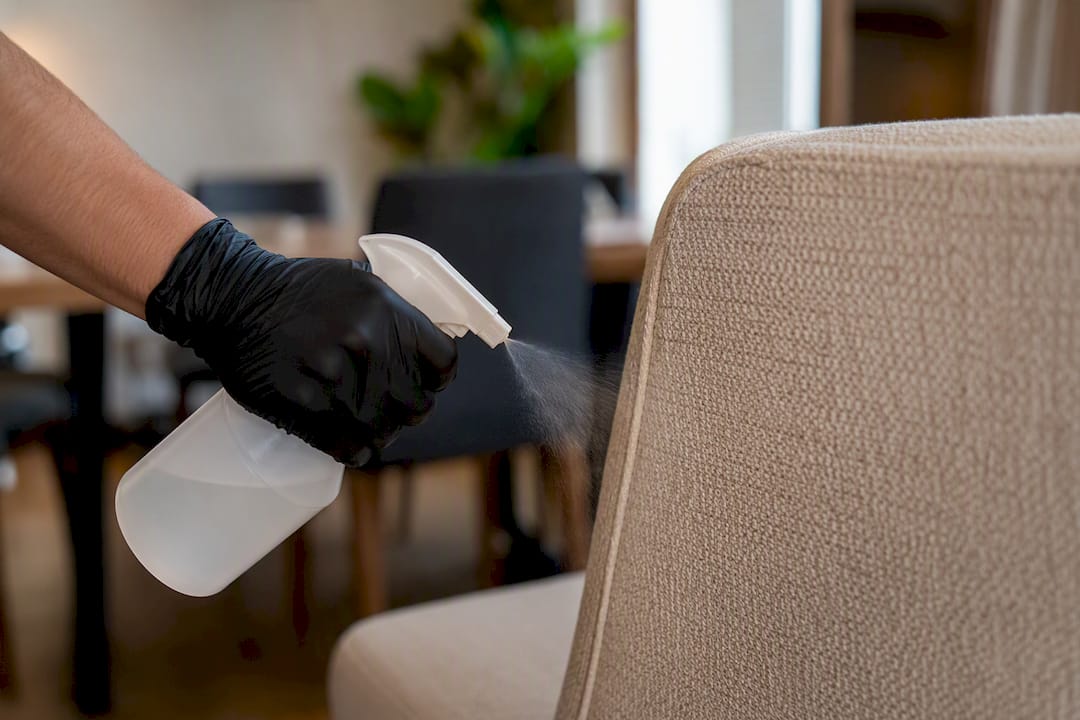
Enzymatic and biological surface remediation works differently. Instead of treating the air, enzyme formulations break down the organic residue causing the smell, whether that’s urine crystals in carpet padding or grease buildup in a commercial kitchen exhaust. Enzyme-based products keep working after application, continuing to digest residue for hours or days, which cuts down on repeat visits for porous surfaces like upholstery and unsealed wood.
In-duct air hygiene systems mount directly inside HVAC ductwork and distribute an active neutralizing field through the entire ventilation stream. Systems like Photoplasma-based units treat air continuously across multiple rooms without visible equipment, making them a strong fit for multi-suite hotels or large yachts where odor sources migrate between spaces through shared air handling.
Catalytic oxidation breaks down odor compounds through a chemical reaction rather than masking or filtering them, and it’s typically reserved for the toughest cases: heavy smoke damage, long-term tobacco saturation, or fire remediation where standard methods leave a residual smell.
Material constraints matter as much as the odor source. Leather seating, wood veneers, and closed cabin ductwork on a yacht all limit which treatments are safe to use, which is why eco-safe protocols built for delicate auto interiors differ meaningfully from what works on a concrete parking garage.
A technician who reaches for ozone on a leather-heavy luxury interior is cutting corners. Ozone accelerates material degradation and requires the space to sit vacant for hours; hydroxyl and enzymatic methods don’t carry that tradeoff.
Pro Tip: Ask any provider whether their process is ozone-based before booking. If they hesitate or dodge the question, that’s your answer.
| Method | What it targets | Occupied-space safe |
|---|---|---|
| Hydroxyl generation | Airborne odor molecules, VOCs | Yes |
| HEPA + carbon scrubbing | Particulates, smoke, mold spores | Usually |
| Enzymatic remediation | Organic residue in porous surfaces | Yes |
| In-duct hygiene systems | Building-wide air circulation | Yes |
| Catalytic oxidation | Deep, embedded odor compounds | Case-by-case |
How Do Professionals Choose the Right Method?
The decision comes down to five factors, and a competent technician walks through all of them before quoting a price.
Source identification comes first. Tobacco residue behaves differently than pet urine or mildew, and misdiagnosing the source is the single biggest reason DIY treatments fail. Material exposure matters next: porous surfaces like fabric and unsealed wood hold odor at a molecular level that non-porous surfaces like sealed leather or glass don’t. Occupancy constraints determine timeline, since a vacation rental with a same-day turnover needs a faster method than a yacht sitting in dry dock for a week. HVAC integration decides whether duct treatment is worth the added cost. And environmental policy, specifically a non-ozone, non-chlorine requirement, rules certain methods out entirely for clients who won’t accept the health and material risks.
| Odor source | Recommended method category |
|---|---|
| Smoke damage | Catalytic oxidation, air scrubbing |
| Mold or mildew | Air scrubbing, in-duct hygiene |
| Pet residue | Enzymatic remediation |
| Food odors | Hydroxyl generation |
| Tobacco/marijuana | Catalytic oxidation, hydroxyl |
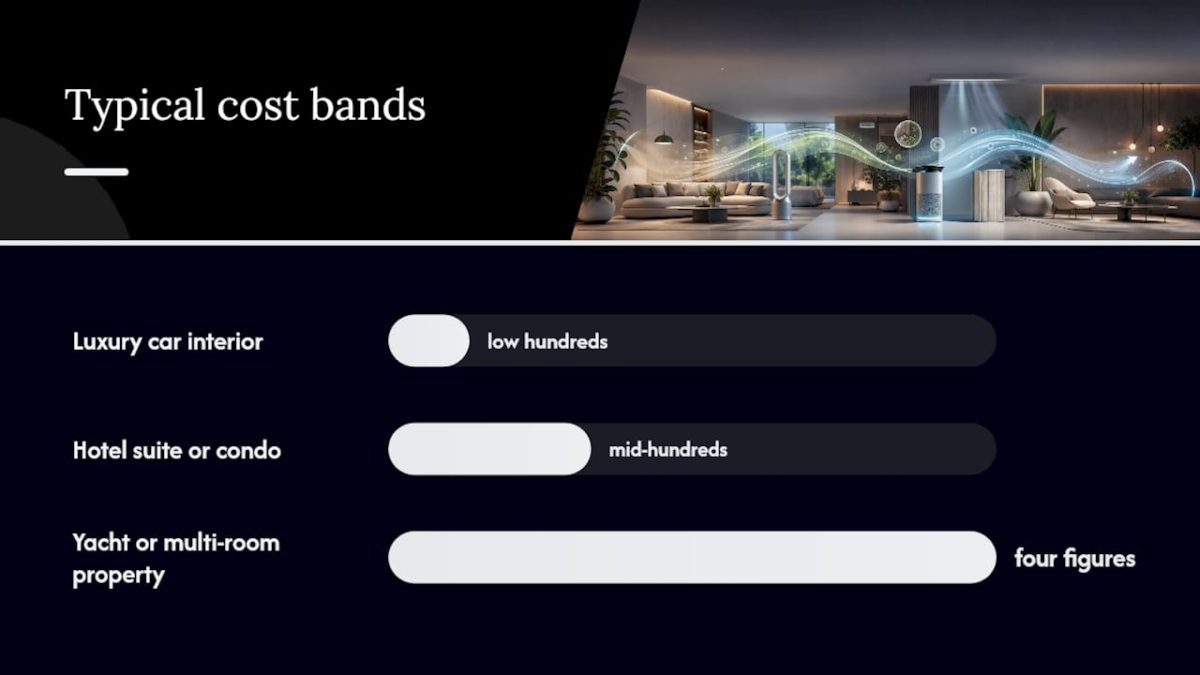
Cost bands vary widely by job size and contamination depth. A single luxury car interior typically runs in the low hundreds of dollars, a hotel suite or condo lands in the mid-hundreds, and a yacht or multi-room commercial property can run into four figures depending on square footage and duct access. Hidden contamination behind walls, extensive material replacement, or difficult access all push both cost and timeline upward.
- Ask for a written scope before agreeing to price.
- Confirm whether the quote includes post-treatment verification testing.
- Clarify whether the price assumes standard access or includes disassembly.
What Happens During a Professional Odor Removal Job?
A properly run job follows a consistent sequence regardless of setting.
- Inspection and source mapping. The technician identifies contamination points, not just the general odor complaint.
- Targeted treatment. Surface and air treatments get applied based on what step one found.
- HVAC or duct treatment, if the assessment shows odor migrating through ventilation.
- Follow-up neutralization and testing to confirm the treatment worked, not just masked the smell.
- Final walkthrough with the client or property manager to sign off on results.
Timelines scale with the job. A luxury car interior usually wraps in a few hours. A hotel suite or single condo typically takes a half day to a full day depending on carpet and upholstery saturation. A yacht or multi-room commercial property can take one to three days when duct work and multiple cabins are involved.
- Remove occupants and pets from the space during treatment.
- Secure valuables and document sensitive finishes beforehand.
- Request a written treatment plan listing materials used and verification results afterward.
What Aftercare and Guarantees Should You Expect?
Aftercare varies by treatment type but usually includes accelerated airing, scheduled HVAC checks, and periodic enzyme-based maintenance cleaning for high-turnover properties like vacation rentals. Hospitality operators and vehicle fleets often move to a maintenance contract rather than one-off visits, since recontamination risk stays high in spaces with constant guest or passenger turnover.
Guarantees in this industry are almost always conditional. A written warranty typically depends on the client following prescribed aftercare, and it gets voided by unauthorized cleaning products or new contamination introduced after service. Master Odor Removal backs its work with written satisfaction guarantees tied to its documented treatment protocol, which is the standard a reputable provider should meet.
Pro Tip: Before signing anything, ask what specific test the provider uses to verify success, and get the guarantee terms in writing, not just a verbal promise.
A guarantee without a written verification method attached to it isn’t really a guarantee. It’s a sales line.
How Do You Vet an Eco-Friendly Odor Removal Provider?
Run through this checklist before signing a contract.
- Licensed technicians with verifiable credentials.
- A written non-ozone, non-chlorine policy in plain language.
- Green certification or documented eco-labels.
- A written estimate that names the method and expected timeline.
- References or case studies from comparable luxury properties.
- Proof of insurance and bonding.
On the initial call, ask three questions: what method they’re using and why, what safety precautions apply to your specific materials, and what verification testing confirms the job is done.
- Watch for one-size-fits-all masking sprays sold as a “treatment.”
- Be wary of anyone who won’t name the active technology they use.
- Walk away from pressure to buy a recurring chemical subscription before an inspection happens.
- No written guarantee should be treated as a dealbreaker.
A Note on Treating Luxury Interiors
Every leather seat, teak deck, and hand-finished veneer has a tolerance limit, and I’ve seen more damage from aggressive over-treatment than from under-treatment. Documentation and discretion matter as much as the chemistry. That’s the mindset behind Master Odor Removal’s work with luxury autos, yachts, and high-end hospitality clients: treat conservatively, verify thoroughly, and never guess on delicate materials.
Book an Eco-Friendly Inspection
Masterodorremoval runs on the same principle covered throughout this guide: identify the source first, then apply the least invasive method that permanently solves it. No ozone, no chlorine, and no masking sprays that leave the underlying problem intact for your next guest or buyer.

Whether you’re managing a hotel portfolio, prepping a yacht for charter season, or getting a luxury vehicle ready for resale, the same/next-day availability means you’re not waiting a week for someone to show up with a fogger. Get a written treatment plan and inspection scheduled and know exactly what method fits your property before any work begins.
Useful Resources
- Eco-friendly deodorization steps for luxury properties
- How long odor removal takes
- Luxury car odor removal case study
Recent Comments