
A tight 48-hour triage combined with a recurring maintenance plan is the fastest path to market-ready, neutral air in any upscale property. The moment a showing is on the calendar, you need a prioritized sequence, not a spray bottle and an open window.
Start the same day you identify a problem:
- Isolate the source. Close off the affected room or zone before odors migrate through HVAC.
- Remove contaminated materials. Pull trash, spoiled food, soiled linens, and pet deposits immediately.
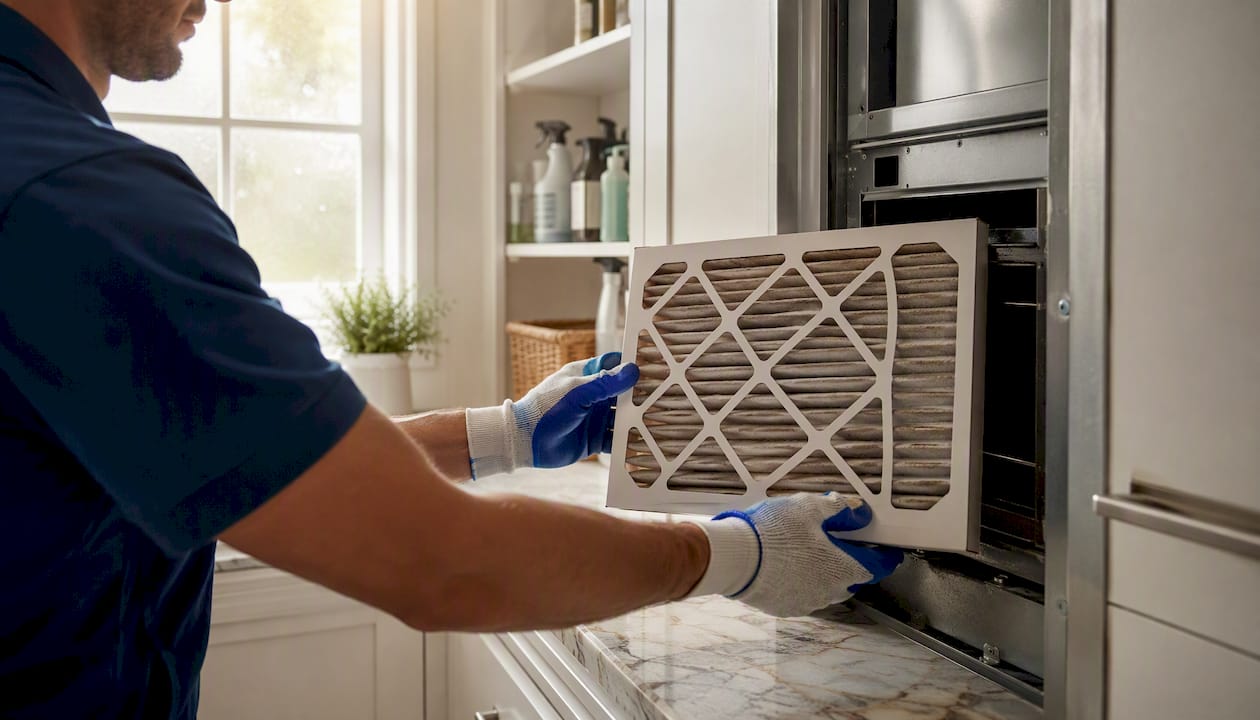
- Change HVAC filters. A saturated filter recirculates odors property-wide within hours.
- Run targeted ventilation. Open windows on opposite sides of the property to create cross-flow, but only when outdoor air quality supports it.
- Deploy professional-grade neutralizers. Skip aerosol masking agents. Use enzymatic or cold-nebulization formulas rated safe for luxury finishes.
Within 48 hours:
- Inspect all drains, traps, and garbage disposals.
- Steam-clean or bag upholstered furniture in affected rooms.
- Schedule a licensed professional for smoke, pet urine, mold, or sewer odors that did not clear after the same-day steps.
- Document every action with photos for disclosure and vendor coordination.
The CDC/ATSDR guidance on odor control is clear: odors can signal environmental or health hazards, and source identification beats masking every time. For persistent or embedded odors, Masterodorremoval provides licensed, eco-friendly remediation using non-ozone, non-chlorine methods with same or next-day scheduling.
Pro Tip: Before any showing, walk the property with fresh nostrils after being outside for at least 10 minutes. Agents who live with a property go nose-blind to its baseline smell.
Table of Contents
- Why airing out and air fresheners usually don’t solve persistent odors
- Room-by-room deep cleaning and deodorization for upscale finishes
- Step-by-step remediation for smoke, pet urine, mold, sewer, and food odors
- What do timelines and costs actually look like for odor remediation?
- What should you ask an odor-removal pro before hiring them?
- What does an ongoing maintenance schedule look like for upscale properties?
- Key Takeaways
- What agents and managers consistently get wrong about odor remediation
- Masterodorremoval handles the odor problems that cost you listings
- Useful sources and further reading
Why airing out and air fresheners usually don’t solve persistent odors
Opening windows feels productive. It rarely solves the problem, and for embedded odors it buys you a few hours at best.
Odor molecules from tobacco smoke, pet urine, and mold do not float freely in the air waiting to be swept outside. They adsorb into porous materials: drywall, wood grain, carpet backing, upholstery foam, and grout. Once bound, they re-emit continuously, especially when humidity rises or the room warms up. Thirdhand smoke chemistry makes this worse. Nicotine residue reacts with indoor nitrous acid to form tobacco-specific nitrosamines, compounds that off-gas long after the last cigarette was smoked. Airing out the room does nothing to the chemistry happening inside the wall.
Air fresheners compound the issue in luxury settings:
- Most aerosol fresheners contain VOCs that temporarily overlay the smell without neutralizing it.
- Some fragrance compounds react with luxury finishes, leaving residue on lacquered cabinetry or matte-painted walls.
- Buyers and agents who are sensitive to fragrance read a heavily scented property as a cover-up, which raises suspicion rather than lowering it.
- Plug-in diffusers and scented candles can leave oily residue on nearby surfaces.
Pro Tip: A quick airing is appropriate when the odor is mild and surface-level, such as stale air after a vacancy. Stop and call a professional when the smell returns within an hour of closing the windows, when you can’t locate the source, or when the odor is present in the HVAC airflow.
Room-by-room deep cleaning and deodorization for upscale finishes
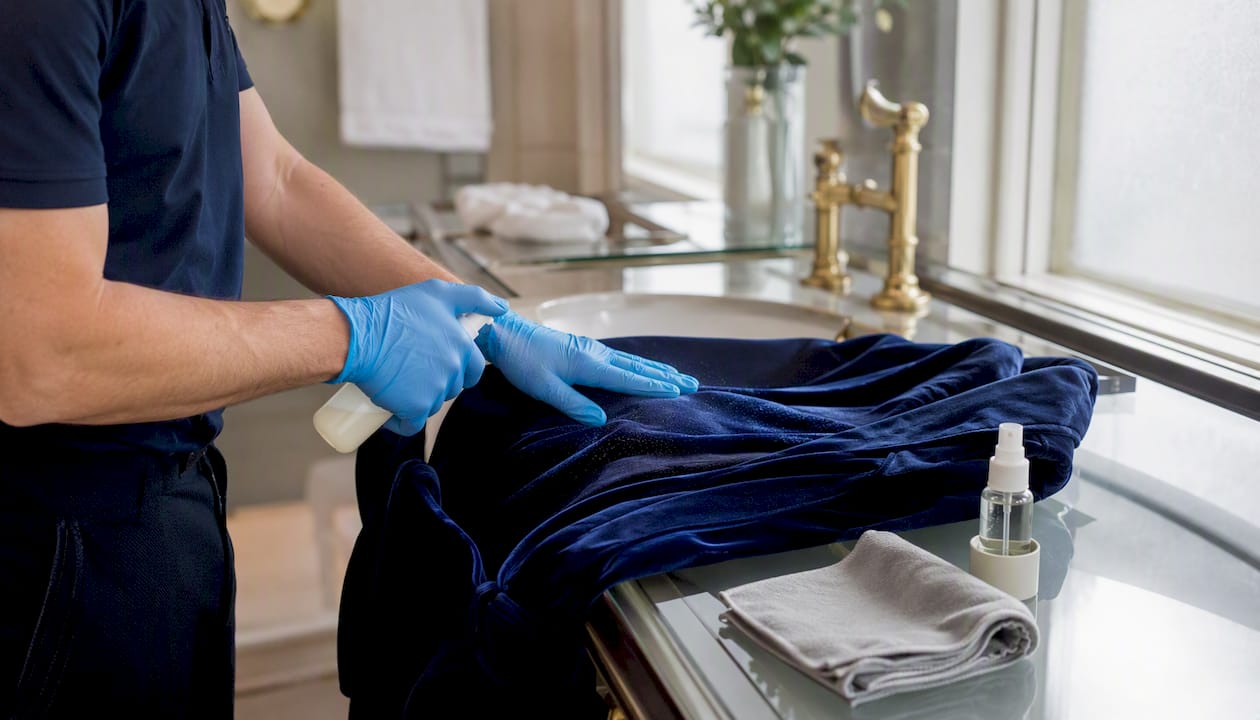
Source removal comes first, always. No amount of cleaning product will hold if the contaminated material is still present.
Entry, lobby, and transition areas
- Remove all floor mats and send them for professional cleaning or replacement.
- Wipe down wall surfaces, door frames, and light switch plates with a pH-neutral cleaner.
- Clean the interior of any built-in storage or coat closets.
- Inspect the HVAC return nearest the entry.
Living and family rooms
- Remove all throw pillows, blankets, and decorative textiles for laundering or dry cleaning.
- Vacuum upholstery with a HEPA-filter vacuum, then treat with an enzymatic spray rated for the fabric type.
- For wool or silk rugs, consult a specialty rug cleaner. Do not use steam on silk.
- Wipe down hard surfaces, including baseboards and window sills, with a damp microfiber cloth.
- Place open containers of baking soda in corners overnight as a low-risk absorber on non-delicate surfaces.
Kitchens
- Pull the refrigerator and stove away from the wall; clean behind and underneath both.
- Degrease the range hood filter and the interior duct above it.
- Run a cleaning cycle on the dishwasher with a citric acid tablet.
- Treat the garbage disposal with ice, coarse salt, and citrus peel.
- Wipe cabinetry interiors with a mild degreaser; for painted or lacquered cabinets, test in an inconspicuous spot first.
- For cabinetry with grease-stained interiors that won’t fully clean, stain-blocking primer applied after source removal can encapsulate residual odor before repainting.
Bathrooms
- Treat all drains with an enzymatic drain cleaner; let it dwell for at least 30 minutes.
- Scrub grout lines with a grout-safe cleaner. Mold in grout is a common hidden odor source.
- Check the P-trap under every sink and the wax ring at the toilet base.
- Replace the toilet wax ring if any sewer smell persists after drain treatment.
Bedrooms and linens
- Strip all bedding and launder at the highest temperature the fabric allows.
- Flip and inspect the mattress; treat any stains with an enzymatic cleaner and allow full drying before remaking.
- Vacuum the mattress surface with a HEPA attachment.
- Clean closet interiors, including shelving and rod hardware.
Closets and storage areas
- Remove all stored items and inspect for mold, pet deposits, or pest activity.
- Wipe shelves with a diluted white vinegar solution (safe for most painted wood surfaces).
- Leave closet doors open for 24 hours after cleaning to allow air exchange.
Garage and outdoor transition zones
- Sweep and degrease the garage floor; treat oil stains with a commercial degreaser.
- Check for pest activity or standing water near the foundation.
- For outdoor transition areas, a thorough spring cleaning of outdoor spaces prevents exterior odors from tracking indoors.
Pro Tip: For hardwood floors, never use a wet mop or steam cleaner. Use a barely damp microfiber pad with a hardwood-specific cleaner. Excess moisture raises the grain and can permanently warp planks, creating a new problem on top of the odor.
Step-by-step remediation for smoke, pet urine, mold, sewer, and food odors
Smoke (tobacco and marijuana)
- Remove all porous soft goods: drapes, upholstered furniture, rugs, and bedding.
- Clean the HVAC system and replace filters before any room treatment.
- Apply a non-ozone, non-chlorine neutralizer via cold nebulization to walls, ceilings, and hard surfaces.
- For leather and upholstery that cannot be removed, use a targeted reconditioning treatment formulated for the material.
- If walls show yellowing or residue, apply a stain-blocking primer after cleaning, before repainting.
Call a professional now if: the smell is present in the HVAC airflow, the property has been smoked in for more than a year, or any surface shows visible nicotine staining.
Pet urine
- Use a UV black light in a darkened room to map all affected areas, including under furniture and along baseboards.
- If carpet padding is saturated, replace it. Surface cleaning will not reach the subfloor contamination.
- Apply an enzymatic cleaner rated for the specific fabric or flooring. Allow full dwell time per the product instructions.
- For hardwood floors with urine penetration, sanding and resealing may be necessary.
Call a professional now if: the subfloor shows staining, the smell persists after enzymatic treatment, or the affected material is silk, suede, or fine wool.
Mold and musty odors
- Identify and fix the moisture source before any cleaning. Without this step, mold returns.
- Clean visible mold with a mold-safe cleaner appropriate for the surface (avoid bleach on porous materials).
- Run a dehumidifier to bring relative humidity below 50%.
- For mold behind walls or in HVAC systems, call a licensed remediation specialist.
Sewer odors
- Pour water into every floor drain and infrequently used toilet to refill dry P-traps.
- Check vent stack access points for blockages.
- If the smell persists after trap refilling, call a plumber. Deodorizers cannot fix a cracked vent or failed wax ring.
Food and grease
- Deep-degrease the range hood, including the interior duct above it.
- Clean the interior of all appliances: oven, microwave, refrigerator, and dishwasher.
- Wipe cabinetry interiors with a degreaser; treat stubborn stains with stain-blocking primer before refinishing.
- Treat the garbage disposal and all kitchen drains with an enzymatic cleaner.
DIY vs. call a pro: Handle food and grease odors yourself if the source is contained to the kitchen and surfaces are accessible. Call Masterodorremoval when the odor has spread to adjacent rooms, the HVAC has distributed it, or the affected materials are specialty finishes.
What do timelines and costs actually look like for odor remediation?
Timelines vary more than most agents expect. A single-source food odor in a well-ventilated kitchen can be resolved same-day. A smoke-saturated unit with contaminated HVAC can take 3–10 days of active treatment, plus drying and verification time.
Cost drivers:
- Odor type and severity: Smoke and pet urine are the most labor-intensive and expensive to remediate fully.
- Square footage: Larger properties require more product volume, more technician hours, and often multiple treatment passes.
- Material replacement: Replacing carpet padding, subfloor sections, or insulation adds significant cost beyond the treatment itself.
- HVAC cleaning: Professional duct cleaning is a separate line item and often necessary for smoke and mold scenarios.
- Same-day service premium: Expedited scheduling for pre-showing emergencies typically carries a premium over standard booking.
- Geographic labor rates: Rates in major metro markets run higher than suburban or rural areas.
Ballpark scenario ranges (U.S. market, subject to wide variance by market and scope):
- Emergency same-day triage (surface-level, single room): lower end of the professional service range.
- Localized pet urine (one room, padding replacement included): mid-range, depending on flooring type.
- Smoke-saturated unit (full property, HVAC cleaning included): upper range, with potential additional costs for material replacement and multiple treatment passes.
- Mold remediation (professional specialist required): priced separately from odor treatment; varies by extent of growth.
Show-ready windows after treatment:
- Surface-level odors: same day or next day after treatment and ventilation.
- Pet urine (localized, no subfloor damage): 24–48 hours after enzymatic treatment and drying.
- Smoke (full property treatment): 48–72 hours minimum; longer if HVAC cleaning and repainting are involved.
- Mold (post-remediation): clearance testing recommended before relisting.
For scheduling a rapid-response treatment before a listing goes live, the luxury property scheduling guide from Masterodorremoval outlines the workflow.
What should you ask an odor-removal pro before hiring them?
The right questions take about five minutes and will save you from a provider who masks odors with ozone or heavy fragrance and leaves you with a worse problem two weeks later.
Ask these before signing anything:
- What diagnostic tools do you use, and will I receive a written scope report before treatment starts?
- Do your methods include ozone generators or chlorine-based foggers? (The correct answer is no.)
- Can you provide references for jobs on luxury materials, specifically hardwood, marble, or fine upholstery?
- What is your satisfaction policy, and do you offer a documented recheck after treatment?
- Are your technicians licensed and insured, and can you provide proof?
- What specific chemistry will you use, and is it safe for the materials in this property?
Vetting checklist:
- Certifications and insurance documentation provided upfront.
- Written product list with safety data sheets available on request.
- Experience with HVAC systems and duct cleaning, not just surface treatment.
- Photo documentation included in the scope report.
- Clear recheck and follow-up policy in writing.
Red flags that signal a low-quality or risky approach:
- Recommends ozone treatment or cannot explain why they avoid it.
- Proposes heavy fragrance application as the primary solution.
- Cannot name the products they use or refuses to share safety data.
- No written scope, no references for luxury properties, and no satisfaction policy.
- Pressure to book immediately without a site inspection.
Contract clauses to request:
- Defined scope of work with room-by-room detail.
- Stated timeline with milestones.
- Follow-up visit and recheck included in the agreement.
- Material replacement terms if treatment damages a surface.
- Satisfaction guarantee with a clear resolution process.
What does an ongoing maintenance schedule look like for upscale properties?
A simple, consistent schedule prevents most odor complaints before they reach a tenant or buyer. Monthly checks catch problems early; quarterly deep-cleaning keeps high-use areas from accumulating odor-causing buildup; annual HVAC and duct servicing resets the system.
| Frequency | Task | Notes |
|---|---|---|
| Monthly | HVAC filter inspection and replacement | Replace MERV 11–13 filters; log date and filter type |
| Monthly | Drain treatment (all drains, disposals) | Enzymatic cleaner; 30-minute dwell time |
| Monthly | Trash room and waste area deep-clean | See trash can hygiene best practices for protocol |
| Monthly | Odor complaint log review | Document complaints, source, corrective action, and vendor |
| Quarterly | Upholstery and rug inspection | Check for staining, pet deposits, or moisture damage |
| Quarterly | Appliance and cabinetry interior cleaning | Kitchen and laundry areas; degrease as needed |
| Quarterly | Grout and drain inspection (bathrooms) | Treat mold in grout; check P-traps |
| Quarterly | Common area scent system check | Verify diffuser intensity and zoning; replace cartridges |
| Annual | Professional HVAC and duct cleaning | Full system inspection, coil cleaning, drip pan treatment |
| Annual | Full property odor audit | Walk-through with fresh nose; document baseline |
| Annual | Carpet and upholstery professional cleaning | Schedule before peak leasing or selling season |
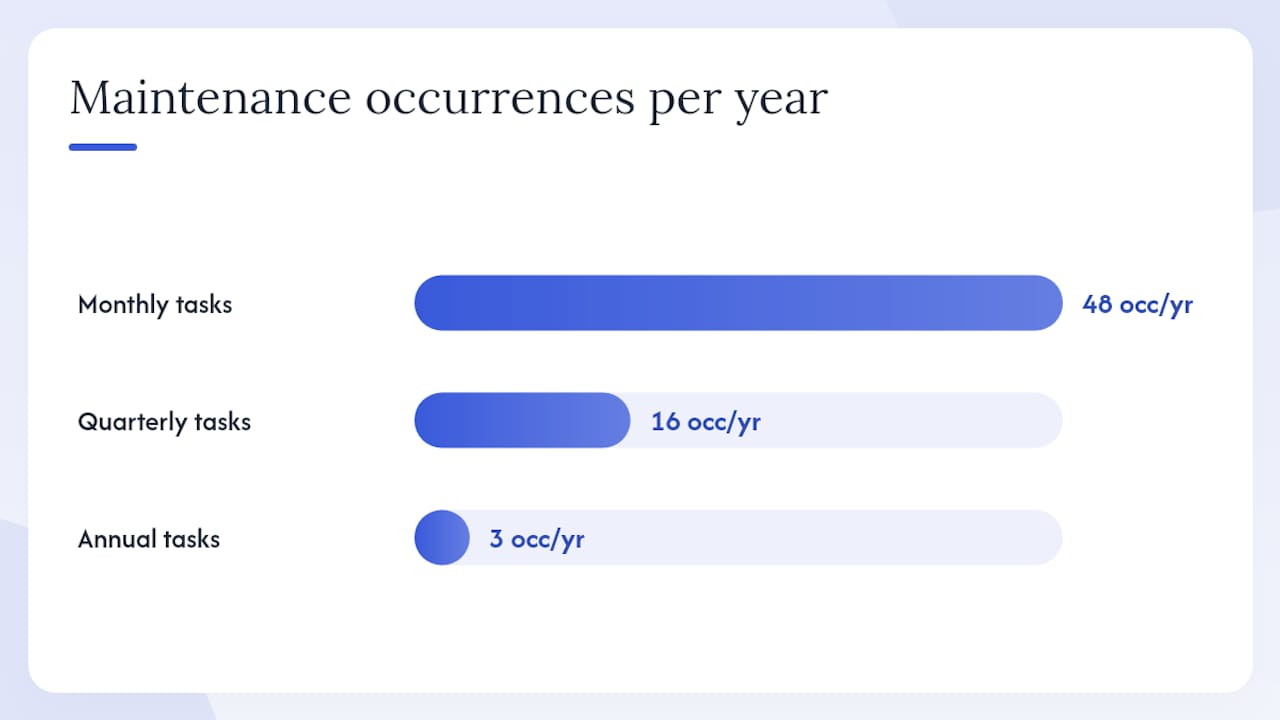
Maintenance log fields to track: inspection date, area inspected, odor complaint (yes/no), source identified, corrective action taken, vendor contacted, follow-up date, and technician name.
Scenting guidelines for common areas: use cold-nebulization diffusers with IAQ-safe, phthalate-free formulas. Keep intensity low enough that the scent is noticed only when it is absent, not when it is present. Avoid scenting bedrooms, private units, or any space where residents cannot control their exposure. As luxury building scent programs demonstrate, zoning and low-intensity control are what separate a professional scent program from an overwhelming one.
For a full list of sustainable prevention strategies, the sustainable odor prevention guide from Masterodorremoval covers product recommendations and ongoing protocols.
Key Takeaways
Permanent odor removal in upscale properties requires source elimination first, material-safe chemistry second, and a documented recurring maintenance schedule to prevent recurrence.
| Point | Details |
|---|---|
| Triage within 48 hours | Isolate sources, remove contaminated materials, and change HVAC filters before odors migrate property-wide. |
| Inspect HVAC early | A contaminated duct system redistributes odors to every room; filter changes and duct cleaning are non-negotiable for smoke and mold scenarios. |
| Protect luxury finishes | Hardwood, marble, silk, and suede require material-specific chemistry; the wrong cleaner creates permanent damage alongside the odor problem. |
| Vet pros rigorously | Ask for written scope, non-ozone methods, luxury material references, and a documented satisfaction guarantee before signing. |
| Schedule recurring maintenance | Monthly drain treatments, quarterly upholstery inspections, and annual HVAC servicing prevent most odor complaints from reaching buyers or tenants. |
| Masterodorremoval | Licensed, eco-friendly permanent odor removal with same or next-day scheduling, non-ozone methods, and documented verification for luxury properties. |
What agents and managers consistently get wrong about odor remediation
The most common mistake is treating odor removal as a cleaning task rather than a diagnostic one. A property manager who sends a cleaning crew to a smoke-saturated unit without first inspecting the HVAC will have the same odor complaint two weeks later, after the system has redistributed everything the crew just removed from the surfaces.
Two lessons that come up repeatedly in luxury property work:
First, timing communication with agents matters more than most providers acknowledge. An agent who knows a treatment is in progress can manage buyer expectations and schedule showings around the verification window. An agent who finds out after the fact often pushes for a showing before the property is actually ready, which creates a worse impression than waiting.
Second, protecting expensive finishes during remediation is not optional. A technician who uses an off-the-shelf enzyme spray on a silk rug or a steam cleaner on a hardwood floor can cause thousands of dollars in damage while solving a $300 odor problem. The chemistry has to match the material, every time.
The practical habit to adopt immediately: before any treatment begins, photograph every surface that will be touched and confirm the product’s compatibility with the finish in writing. This takes 10 minutes and protects everyone involved.
Masterodorremoval handles the odor problems that cost you listings
When the odor is embedded, the materials are expensive, and the showing window is short, the gap between a cleaning crew and a licensed professional is the difference between a deal and a price reduction.

Masterodorremoval provides eco-friendly, permanent odor removal for luxury residential and commercial properties using non-ozone, non-chlorine methods that are safe for hardwood, marble, leather, and fine fabrics. Same or next-day scheduling is available for pre-listing emergencies. Every job includes a documented scope report, targeted treatment, and a verification recheck before the property is cleared.
For properties with smoke, pet urine, mold, or sewer odors that have not responded to surface cleaning, book a professional assessment and get a written remediation plan before the next showing.
Useful sources and further reading
- archive.cdc.gov
- no-smoke.org
- bankerandtradesman.com
- How to Deodorize a House Before You Sell It
- marthastewart.com
- Upscale Real Estate Odor Control: A Pro’s Guide – Master Odor Removal
- homedepot.com
Recent Comments