
If your vents smell like smoke, shut the system off at the thermostat first and ask questions second. A light dusty smell when the heat kicks on for the first time this season usually clears up in 10 to 15 minutes. Anything that lingers, smells acrid or electrical, or keeps coming back points to trapped smoke residue, an overheating component, or outside smoke getting pulled into your return air, and it needs a real diagnosis before you run the system again.
TL;DR:
- Replacing filters and cleaning accessible parts won’t eliminate deep-seated smoke residue bonded in porous duct materials.
- Persistent electrical or acrid smells indicate overheating components or wiring issues that require immediate professional inspection.
- Seal duct leaks and replace heavily saturated insulation or ductboard to prevent recurring smoke odors and airborne contamination.
- Heavy smoke exposure often necessitates professional remediation involving assessment, cleaning, odor neutralization, and sealing, which can take several days.
- Documentation of contamination and treatment results is crucial for insurance claims and verifying complete odor removal.
Table of Contents
- Why Does HVAC Smell Like Smoke? Common Causes
- What Should You Do Right Now?
- When Do DIY Fixes Actually Work?
- When Do You Need a Professional?
- How Do You Stop It From Coming Back?
- What Actually Gets Smoke Smell Out of HVAC for Good?
- Get Help From Masterodorremoval Fast
- Sources
Why Does HVAC Smell Like Smoke? Common Causes
Most smoke smells from air ducts trace back to one of six situations, and the fix depends heavily on which one you’re dealing with.
- Startup dust burn-off. Dust settles on the heat exchanger over summer and singes off when the furnace fires up again. It smells smoky but fades fast.
- Clogged or saturated filters. A filter packed with dust, pet hair, or old smoke particles restricts airflow, makes the system work harder, and can produce a faint burning smell.
- Overheated blower motor, wiring, or capacitor. This is the one that should worry you. An acrid, plasticky, or electrical odor usually means a component is running hot, and it carries real fire risk.
- Contaminated coils and ductwork. Tobacco smoke, wildfire smoke, or residue from a past house fire clings to duct liners, insulation, and the evaporator coil, then gets recirculated every time the system cycles.
- External infiltration. Nearby wildfires, a neighbor’s fireplace, or a backdrafting chimney can pull smoke into your return vents from the outside air.
- Less common culprits. Occasionally the smell is a dead rodent near the ductwork, a spilled chemical, or an oil or fuel leak near the equipment.
Knowing which category you’re in changes everything about what happens next.
What Should You Do Right Now?
Treat any smoke smell coming from vents as a safety question first, a comfort question second. Here’s the order to work through it:
- Turn the system off at the thermostat. This is the first move every time, no exceptions.
- If the smell persists or you see smoke, cut power at the breaker and get everyone out. Call emergency services if smoke keeps producing or you smell something hot and electrical.
- Once it’s safe, visually check accessible areas around the furnace or air handler for scorch marks, melted insulation, or visible soot. Don’t touch anything that could be hot.
- Pull the filter and look at it. If it’s caked in dust or coated in a sooty film, that’s a strong clue about what you’re dealing with.
- Check the return registers for a soot film. If you see one, don’t run the system again until it’s been inspected.
Statistic Callout: Smoke particles measure roughly 0.1 to 0.3 microns, small enough to work their way into duct liners and insulation instead of just sitting on the surface. That’s why a quick filter swap doesn’t always solve a persistent smoke smell.
An acrid, sharp smell almost always means electrical. A stale, smoky, tobacco-like smell usually means residue buildup. A distant, campfire-like smell that shows up only when the system runs points to outside infiltration. And running a contaminated system anyway doesn’t just fail to help. It redistributes soot through every duct in the house, turning a manageable cleanup into a bigger job.
When Do DIY Fixes Actually Work?
DIY works well for light, recent contamination. It doesn’t work for anything embedded deep in the ductwork or coil.
- Replace the filter immediately, and consider upgrading to a MERV-13 filter if your blower can handle the added resistance. Activated carbon media helps with lingering VOCs on top of that.
- Clean the registers and any grilles you can reach, then swap the filter again 48 to 72 hours after a deep clean, since the first one will load up fast with loosened debris.
- Clean the evaporator coil and condensate drain only with the power fully off, and stop immediately if you’re not confident about what you’re looking at. This is where a lot of homeowners either do nothing useful or make things worse.
- Run a portable HEPA or activated-carbon air cleaner in the meantime while you sort out next steps.
- Skip the air fresheners, scented plug-ins, and ozone generators. Fresheners mask the smell instead of removing it, and ozone machines can degrade rubber seals and electronics inside your HVAC unit while doing little for smoke embedded in porous materials.
Pro Tip: If you’ve replaced the filter, cleaned what you can reach, and the smoke smell is still there after a few days, stop troubleshooting and get an inspection. At that point, you’re not dealing with surface dust anymore. For a broader home-odor checklist beyond HVAC specifically, see this step-by-step guide.
When Do You Need a Professional?
Call in a professional when the smell survives a filter change, when you see soot anywhere in the system, when the smell is sharp and electrical, or when the house has been through a fire or heavy wildfire smoke event. Smoke odor removal in an HVAC system generally moves through three phases.
Assessment. A technician maps contamination through the ductwork, documents it with photos, and checks for safety issues before touching anything. This documentation also matters if you’re filing an insurance claim.
Cleaning. HEPA vacuuming pulls out the sub-micron particles regular vacuums miss, mechanical agitation tools loosen residue in rigid metal ducts, and gentler methods protect lined or insulated duct sections. Coils get cleaned with alkaline, HVAC-approved cleaners rather than generic household products.
Deodorization and sealing. This is where restoration crews use hydroxyl generators or thermal fogging with approved agents to neutralize odor at the molecular level, not just cover it up. Porous materials that can’t be cleaned get encapsulated or replaced, and ducts get sealed with mastic or UL 181 foil tape to stop leaks that would otherwise pull contaminated air back in.
| Remediation phase | Typical timeline | What drives cost |
|---|---|---|
| Assessment and documentation | Same day | Duct accessibility, system size |
| HEPA vacuuming and coil cleaning | 24 to 48 hours | Duct material, contamination level |
| Deodorization and sealing | 24 to 72 hours | Extent of porous material replacement |
Ozone is largely avoided inside HVAC systems for good reason. It’s effective against odor in open air, but it can degrade rubber seals and electronic components in the unit itself. Technicians also use PPE and containment to keep contamination from spreading further during the job. For heavier tobacco or repeated smoke exposure, the residue itself behaves differently depending on what burned. Dry wood smoke cleans up more easily than the oily, acidic film left by burning plastics or synthetic materials, which sometimes forces component replacement rather than cleaning.
How Do You Stop It From Coming Back?
Prevention comes down to filtration, sealing, and a maintenance rhythm you actually stick to.
- Set a filter baseline of MERV-13 where your system supports it, and add activated carbon cartridges if you’re dealing with lingering VOCs from tobacco or a past smoke event.
- Change filters more often for the first few months after any smoke exposure, since residue keeps shaking loose from ducts even after cleaning.
- Seal duct seams with mastic or UL 181 foil tape, and replace duct board or insulation that’s absorbed heavy smoke, since those materials don’t fully release odor once saturated.
- Run the fan continuously for 24 hours after remediation to purge residual odor from the system.
- Schedule a yearly inspection, ideally before heating and cooling season, and keep the documentation on file in case you ever need it for an insurance claim.
Pro Tip: Ducts act like a reservoir. Every time the blower cycles, it pulls air across surfaces that may still be holding smoke molecules, which is why odor can seem to disappear for weeks, then return the first cold morning you run the heat hard.
What Actually Gets Smoke Smell Out of HVAC for Good?
Most homeowners assume a strong-smelling spray or a new filter solves the problem. It rarely does, and that’s not a knock on effort. It’s chemistry. Smoke residue isn’t sitting on top of surfaces waiting to be wiped away. It’s bonded into porous material, and covering it with fragrance just adds a second smell on top of the first one.
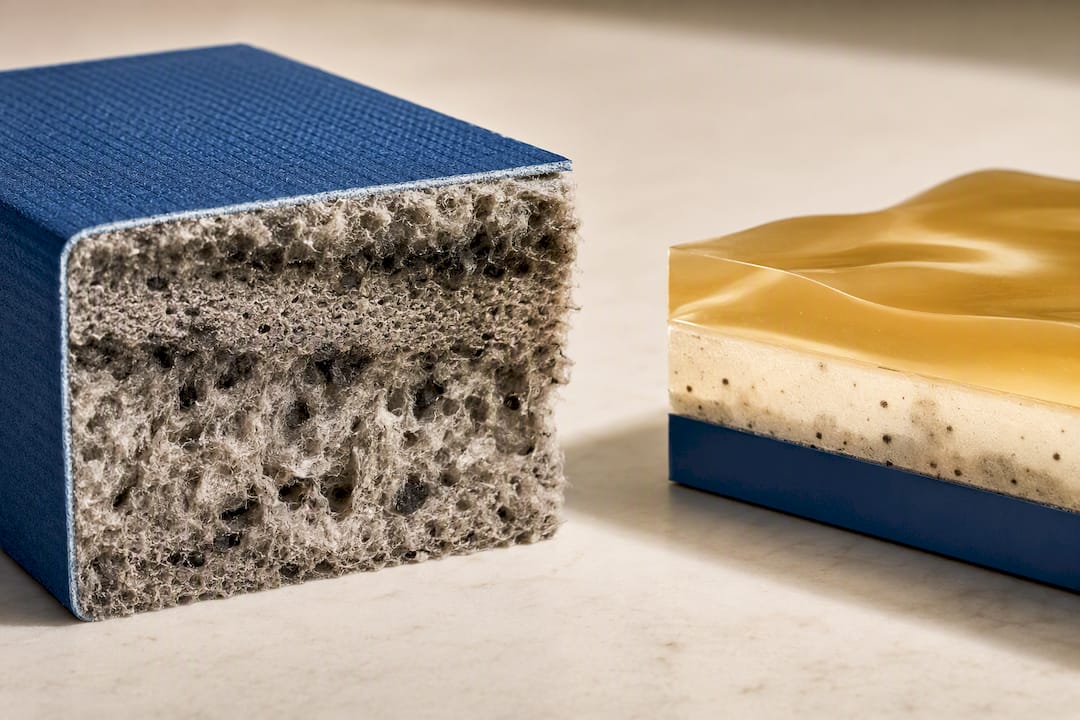
Some professional odor removal services lean on green-certified methods like hydroxyl generation and controlled thermal fogging instead of ozone. Ozone can technically break down odor molecules, but it does it by oxidizing whatever it touches, including rubber gaskets, wiring insulation, and electronics inside the HVAC unit itself. Hydroxyl-based treatment neutralizes odor at the molecular level without causing collateral damage, which is important in settings where finishes and materials are expensive to replace.
The gap most articles skip is that documentation matters almost as much as the treatment. A real assessment before and after remediation tells you whether the smell is actually gone or just temporarily suppressed, and it provides paperwork if an insurer or a future buyer asks questions, which is key to distinguishing a true fix from a delay.
— Master
Get Help From Masterodorremoval Fast
If you’ve already replaced the filter and the smell is still there, or you’re seeing soot on the registers, professional odor removal services can assist. Such services typically include an on-site assessment, environmentally responsible remediation using non-ozone methods like hydroxyl generation and thermal fogging, and documented before-and-after results to confirm odor removal. Fast availability is often emphasized, which is important when the system cannot be safely used in the meantime.

Before your visit, jot down when you first noticed the smell, whether you’ve already changed the filter, and whether you’ve seen any soot or discoloration around vents or the unit itself. That timeline helps the technician narrow down the cause faster. If the odor is tobacco-related specifically, Masterodorremoval’s tobacco and marijuana smoke removal service covers the deeper residue issues a filter change can’t touch. Ready to get it looked at? Request a smoke odor assessment and get a straight answer on what it will take to clear it for good.
Sources
The safety and remediation steps here draw on established HVAC and restoration guidance, including Trane’s explanation of common HVAC smells, ServiceMaster Restore’s furnace and vent smoke protocol, and HVAC Laboratory’s technical breakdown of duct contamination. For a related maintenance angle, this guide on humidifier cleaning frequency covers another common source of musty HVAC odors worth ruling out.
- Trane – HVAC smells and noises explained
- Tony Kelly Inc. – Why is smoke coming out of my AC?
- HVAC Laboratory – Protecting Coleman HVAC during smoke odor remediation
- ServiceMaster Restore – What to do if smoke starts coming from your furnace or vents
Recent Comments