
TL;DR:
- Understanding business odors requires identifying their specific microbial, chemical, or biological sources. Moisture control and regular maintenance target the root causes, preventing recurring smells. Proper inspection and hygiene practices are essential for effective odor elimination and improved customer experience.
Business odor sources are the distinct physical and chemical origins of smells in commercial environments that directly affect customer experience, employee comfort, and brand reputation. Facility managers and business owners who understand the types of business odor sources by category can target the actual cause instead of chasing symptoms. Indoor odor pollution is a dynamic system requiring source-level control, not surface-level masking. Commercial odors fall into six chemical groups: sulfur-based, nitrogen-based, fatty acids, aromatic hydrocarbons, organic decay, and microbial compounds. Knowing which group you are dealing with tells you exactly where to look and what to do.
1. Types of business odor sources: microbial growth from moisture
Moisture is the single most common driver of persistent commercial odors. Bacterial and mold growth in hidden areas like flooring cavities and HVAC components creates invisible odor sources that staff routinely miss during standard cleaning rounds.
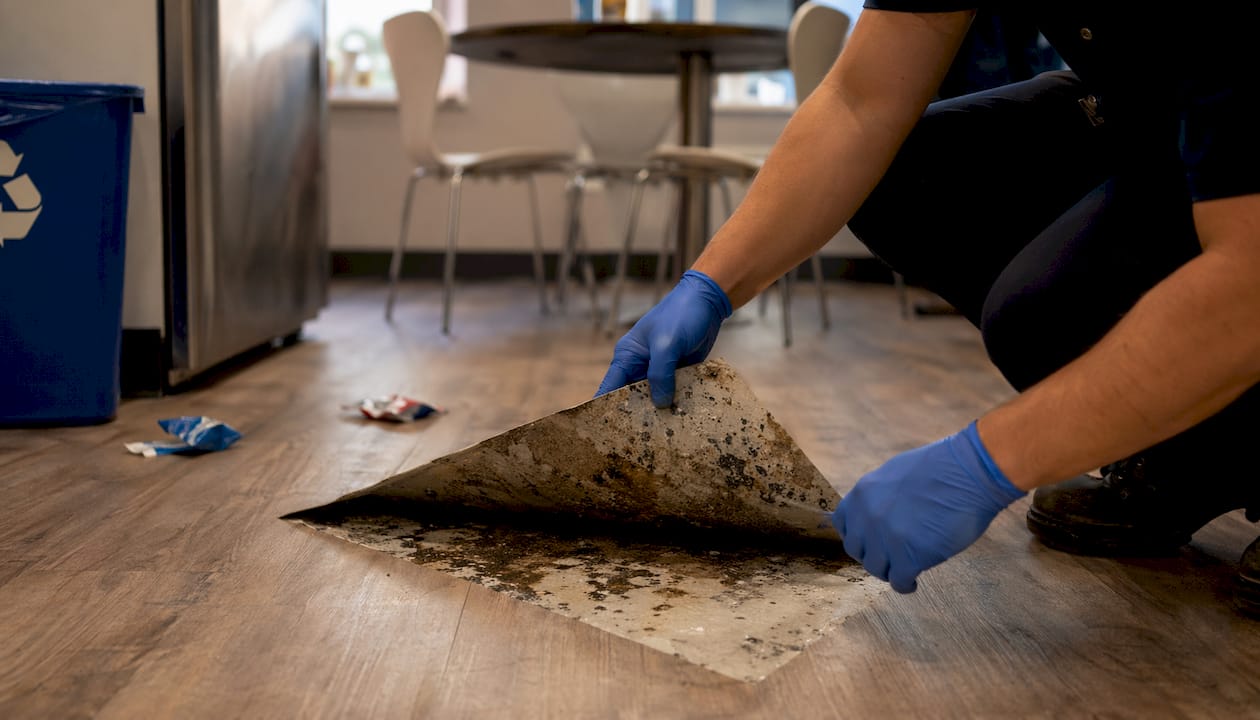
Microbial odors produce the classic musty, wet-sock smell that customers notice the moment they walk through the door. The technical term for these compounds is microbial volatile organic compounds, or MVOCs. MVOCs are gases released by actively growing mold and bacteria as they metabolize organic material in damp environments.
Common microbial hotspots in commercial buildings include:
- Under flooring and carpet padding where spills absorb and never fully dry
- Behind baseboards and drywall in areas with plumbing or exterior wall condensation
- HVAC coils and condensate drain pans where standing water accumulates
- Ceiling tiles above leaking pipes or roof penetrations
- Break room sinks and dishwasher seals with chronic moisture exposure
Airflow imbalances make microbial odors deceptive. Negative pressure in one room pulls contaminated air through wall cavities into adjacent clean spaces, so the smell appears far from its actual source. A musty odor in a conference room may originate in a storage closet two rooms away.
Pro Tip: Use a moisture meter to scan baseboards and flooring near exterior walls and plumbing chases before calling in odor remediation. Readings above 16% in wood or 4% in concrete typically indicate active microbial conditions.
2. Plumbing and sewer systems
Plumbing infrastructure generates some of the most chemically distinct odors in commercial settings. The rotten-egg smell is hydrogen sulfide, a sulfur-based gas that forms when organic matter decomposes in drain lines, grease traps, and sewer connections.
Urine residue in restrooms produces ammonia, a nitrogen-based odor that clings to grout, floor drains, and the underside of fixtures. Ammonia odors intensify with heat and poor ventilation, which is why restrooms smell worse in summer or when exhaust fans fail.
Dry P-traps are a frequently overlooked source of sewer gas in commercial buildings. A P-trap is the curved pipe section under a drain that holds water as a seal against sewer gases. When a floor drain or utility sink goes unused for weeks, that water evaporates and sewer gases enter the room freely.
Common plumbing odor sources to inspect include:
- Floor drains in utility rooms, kitchens, and restrooms with dry or blocked P-traps
- Grease traps that have not been pumped on schedule
- Sewer cleanout access points with loose or missing caps
- Toilet bases with failed wax ring seals allowing gas to escape
- Condensate drain lines from HVAC units that develop biofilm
Remediation starts with a plumbing audit. Pouring water into every floor drain monthly restores P-trap seals at zero cost. Grease traps require pumping on a schedule tied to kitchen volume, not a fixed calendar date.
3. Food and grease in kitchens and break areas
Commercial kitchens and employee break rooms generate fatty acid odors from rancid fats and grease that accumulate on surfaces, inside fryers, and along exhaust hood filters. Fatty acids are the chemical backbone of cooking odors and they polymerize over time, bonding to metal, grout, and porous surfaces in ways that standard degreasers do not fully remove.
Persistent odors from biological matter cling to floor grout, baseboards, and trash bins even after cleaning. This is because biofilm, a thin layer of bacteria embedded in a protective matrix, survives most surface-level cleaning products and continues producing odor compounds.
Key food-related odor sources in commercial settings include:
- Fryer oil and hood filters with accumulated polymerized grease
- Refrigerator door seals and drip pans with mold and food residue
- Trash cans and compactors with liquid pooling at the base
- Sink drains and floor drains with active biofilm and food particle buildup
- Microwave interiors and coffee machine drip trays in break rooms
Cooking emissions also react with indoor air. Cleaning products applied immediately after cooking can interact with residual grease vapors and produce secondary odor compounds that are stronger than the original smell.
Pro Tip: Schedule deep cleaning of fryer areas and hood filters during off-hours when surfaces are cool. Hot grease spreads further during cleaning and embeds deeper into porous surfaces, making odors harder to remove.
The importance of commercial cleaning on a consistent schedule is not cosmetic. It is the primary defense against biofilm formation and the fatty acid buildup that drives persistent kitchen odors.
4. HVAC systems as odor sources and amplifiers
HVAC systems are both a source of odors and the primary mechanism that spreads them across an entire facility. Neglected HVAC coils and condensate pans create moist, warm environments where microbial colonies grow and release MVOCs directly into the air supply.
Dirty ductwork compounds the problem. Dust, debris, and biological material inside ducts provide food for microbial growth and absorb odor compounds from contaminated zones. When the system runs, it picks up those odors and deposits them in every room connected to that duct run.
HVAC pressure gradients drive odor transfer through hidden building cavities. A kitchen or restroom running under negative pressure relative to adjacent spaces pulls odors through gaps around pipes, conduit, and wall penetrations into areas that should be odor-free.
Critical HVAC odor sources and control points include:
- Evaporator coils with microbial growth from chronic moisture
- Condensate drain pans with standing water and algae buildup
- Return air grilles pulling odors from contaminated zones
- Ductwork joints and insulation absorbing and re-releasing odors
- Air filters loaded with biological material and particulates
VOC emissions from cleaning agents and building materials can react with indoor oxidants inside ductwork, producing secondary pollutants with stronger odors than the original compounds. This means a freshly cleaned space can temporarily smell worse if the HVAC system is not also addressed.
Pro Tip: Commission a building pressure test before investing in odor remediation. Correcting airflow imbalances often resolves odors that appear in unexpected locations without any additional treatment.
For a detailed breakdown of how HVAC components generate and distribute odors, the HVAC odor guide from Masterodorremoval covers the mechanics clearly.
5. Waste management and storage areas
Waste areas are concentrated odor zones that can infiltrate an entire building when not properly managed. Trash odors intensify due to liquid waste pooling, bacterial growth, and warm temperatures, particularly in dumpster enclosures and interior trash rooms that lack adequate ventilation.
Leaked liners and stagnant liquid near dumpsters create biofilm on concrete floors that continues producing odor compounds long after the trash is removed. The smell is not the garbage itself. It is the biological activity in the residue left behind.
Common waste-related odor sources include:
- Dumpster enclosures with biofilm on walls and floors
- Interior trash rooms with poor exhaust ventilation and warm ambient temperatures
- Recycling bins with residue from bottles, cans, and food containers
- Compactor seals with liquid seepage and bacterial colonization
- Trash chutes in multi-story buildings with accumulated grease and organic debris
Odors from waste areas enter buildings through air intakes positioned too close to dumpster locations, through gaps under service doors, and through negative pressure zones that draw exterior air inward. Scheduling waste pickup during cooler morning hours reduces odor intensity during peak business hours. Sealing concrete in dumpster enclosures eliminates the porous surface where biofilm thrives.
A clean commercial space with a disciplined waste management protocol produces measurably less odor than one relying on air fresheners to compensate for infrequent removal.
Key Takeaways
Effective smell management in businesses requires identifying the specific chemical and biological source of each odor rather than applying general deodorizing products across the facility.
| Point | Details |
|---|---|
| Moisture drives most persistent odors | Inspect hidden areas like flooring cavities and HVAC components for moisture before treating any smell. |
| Six chemical groups cover all commercial odors | Identifying the odor type (sulfur, nitrogen, fatty acid, etc.) points directly to the source category. |
| HVAC spreads odors facility-wide | Dirty coils, drain pans, and pressure imbalances distribute localized smells into clean areas. |
| Biofilm outlasts standard cleaning | Food residue and waste areas require enzymatic or biological treatment, not just surface wiping. |
| Masking odors worsens perception | Air fresheners signal poor cleanliness to customers and can create stronger secondary odor compounds. |
What I’ve learned about finding the real source
Most facility managers I work with have already tried the obvious fixes before calling Masterodorremoval. They have replaced trash cans, deep-cleaned restrooms, and installed plug-in air fresheners in every corner. The smell comes back within days. The reason is almost always the same: they treated the location of the odor, not the source.
Masking odors with air fresheners is a temporary fix that facility management experts consistently advise against. Customers do not smell “clean” when they smell lavender on top of mildew. They smell a business that is hiding something. That perception is harder to recover from than the original odor.
The approach that actually works combines sensory mapping with physical inspection. Walk the space when it is closed and the HVAC has been off for several hours. Odors settle and concentrate near their source when air is not moving. That is when you find the wet carpet seam, the dry floor drain, or the grease-saturated duct liner that no one noticed before.
Preventive maintenance is the only sustainable strategy. Staff training on P-trap maintenance, grease trap scheduling, and HVAC filter replacement eliminates the conditions that create odors before they become customer-facing problems. The businesses that never have odor complaints are not the ones with the best air fresheners. They are the ones with the best maintenance logs.
— Master
Masterodorremoval’s approach to commercial odor sources
Identifying the source is the hardest part of business odor elimination. Masterodorremoval’s commercial odor removal service begins with a full facility assessment that maps odor sources by type and location before any treatment begins.

Masterodorremoval uses eco-friendly, green-certified biological treatments that eliminate odor compounds at the molecular level without ozone or chlorine. The process targets the actual source, whether that is microbial growth in HVAC components, biofilm in drain lines, or fatty acid residue in kitchen surfaces. Same-day and next-day service is available for commercial clients who cannot afford extended downtime. If you manage a facility where odors keep returning despite regular cleaning, the odor removal specialists at Masterodorremoval can identify what your current protocol is missing.
FAQ
What are the most common business odor sources?
The most common sources are microbial growth from moisture, plumbing issues like dry P-traps and sewer gas, food and grease residue in kitchens, dirty HVAC components, and waste storage areas. Each source produces a chemically distinct odor that points to its origin.
Why do business odors keep coming back after cleaning?
Odors return because standard cleaning removes surface contamination but leaves biofilm, moisture, and embedded compounds intact. Root cause removal targeting the biological or chemical source is the only approach that produces lasting results.
How does HVAC spread odors in a commercial building?
HVAC systems pick up odor compounds from contaminated zones and distribute them through ductwork to every connected space. Pressure imbalances also pull foul air from restrooms or kitchens through wall cavities into adjacent areas.
Do air fresheners help with business odors?
Air fresheners mask odors temporarily and can create cloying secondary smells that signal poor cleanliness to customers. They do not address the biological or chemical source and are not a substitute for proper odor elimination.
How can facility managers identify the source of an unpleasant smell?
Walk the facility when it is closed and the HVAC is off, allowing odors to concentrate near their origin. Combine sensory inspection with a moisture meter scan and a plumbing audit to locate microbial growth, dry traps, and grease buildup systematically.
Recent Comments