
TL;DR:
- Car interior sanitization involves deep removal of bacteria, viruses, allergens, and odors from upholstery, vents, and carpets. It uses methods like steam cleaning and enzymatic treatments to reach embedded pathogens, unlike surface-only cleaning. Professional sanitization improves air quality, protects materials, and enhances health by eliminating biological contaminants permanently.
Car interior sanitization is defined as the targeted elimination of bacteria, viruses, allergens, and odors inside your vehicle using specialized treatments that go far beyond surface cleaning. Unlike a standard wipe-down, true sanitization reaches embedded pathogens and allergens in upholstery fibers, air vents, and carpet backing. Methods like high-temperature steam cleaning (200°F and above), enzymatic treatments, and HVAC system disinfection form the core toolkit. The result is a cabin that is genuinely hygienic, not just visually clean. For drivers who spend significant time in their vehicles, that distinction matters for real health outcomes.
What is car interior sanitization vs. standard cleaning?
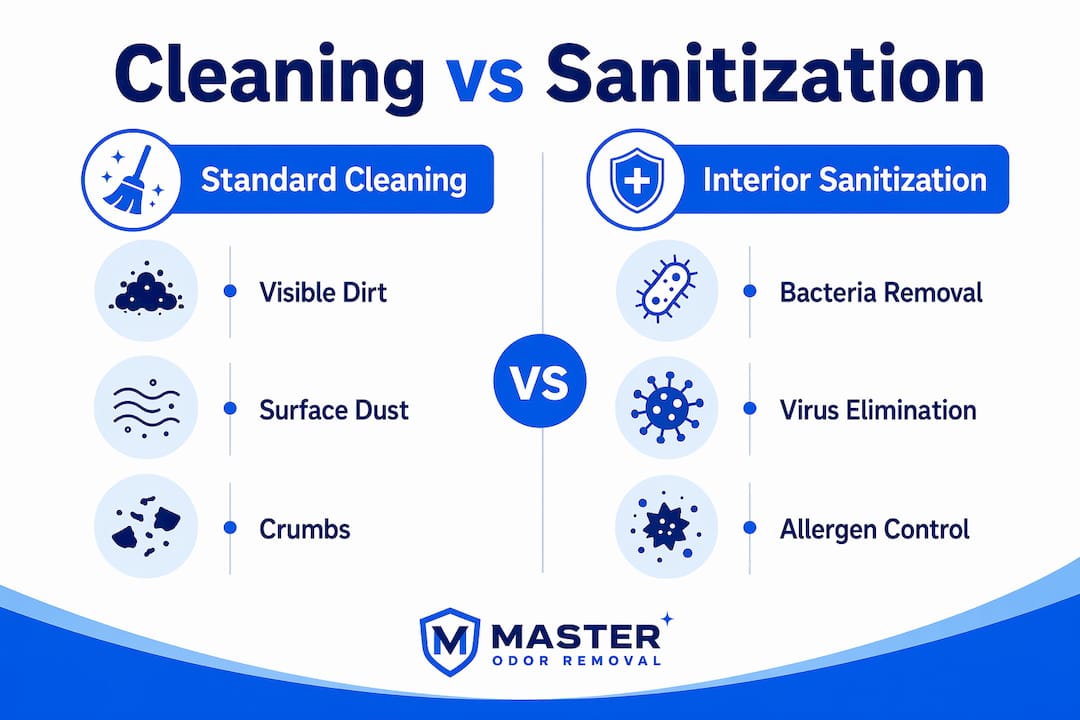
Standard car cleaning is cosmetic. It removes visible dirt, crumbs, and surface dust. Car interior sanitization targets what you cannot see: dust mites, pet dander, mold spores, and bacteria embedded deep in seat fibers and carpet pile. The two processes share some tools but serve entirely different goals.
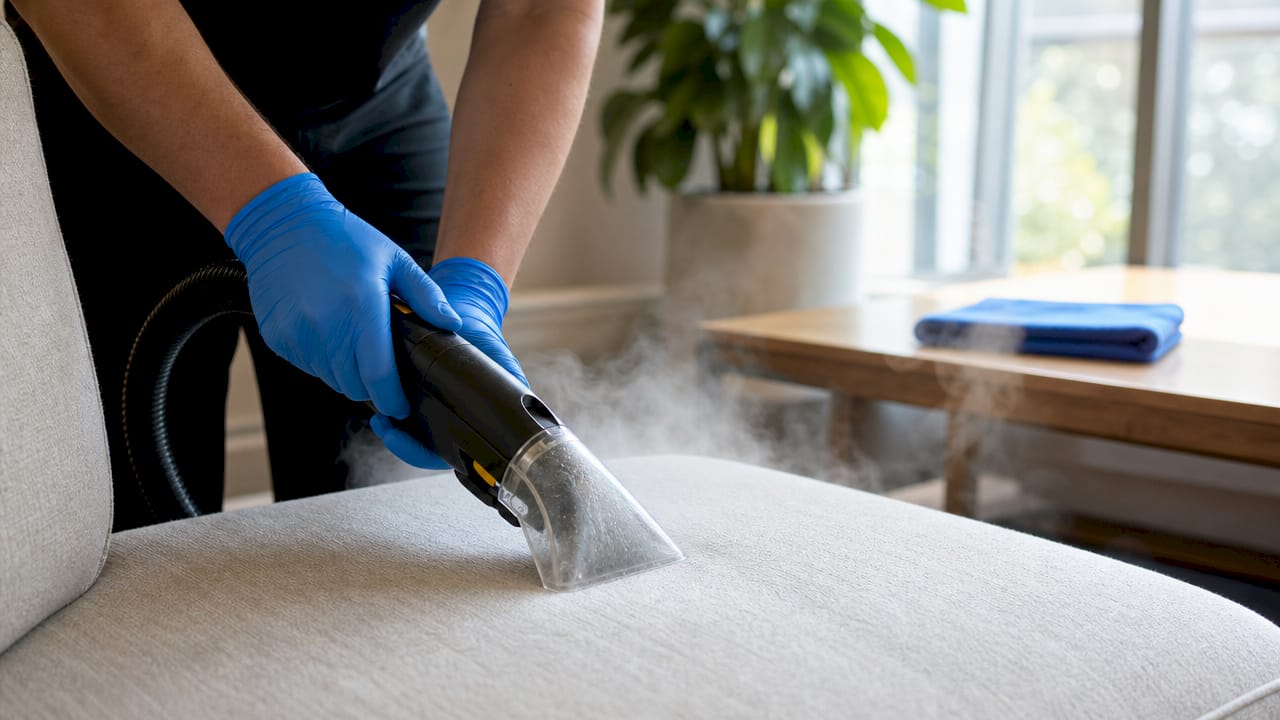
Many car owners confuse the two. Real sanitization aims to reach pathogens and allergens that routine vacuuming and household sprays cannot touch. A vacuum removes loose particles. Steam at 200°F kills bacteria at the source. An enzymatic cleaner breaks down the molecular compounds that cause persistent odors. Those are fundamentally different outcomes.
The table below shows where standard cleaning stops and sanitization begins.
| Feature | Standard cleaning | Interior sanitization |
|---|---|---|
| Target | Visible dirt and debris | Bacteria, allergens, mold spores |
| Primary tools | Vacuum, damp cloth | Steam cleaner, enzymatic products |
| HVAC treatment | Rarely included | Standard component |
| Odor result | Temporary masking | Source elimination |
| Depth of treatment | Surface only | Fibers, vents, and hard surfaces |
Pro Tip: Avoid using household disinfectant sprays directly on car upholstery. They are formulated for hard, non-porous surfaces and can leave residue that irritates skin and lungs inside a confined cabin.
How to sanitize car interior: a step-by-step process
A thorough sanitization follows a clear sequence. Skipping steps, especially vacuuming before applying any liquid, leads to poor results and potential surface damage.
- Remove all loose items. Take out floor mats, seat organizers, and any personal items. This exposes the full carpet and seat surface.
- Vacuum thoroughly. Use a crevice tool for seat seams and a brush attachment for carpet. Get under seats and inside door pockets.
- Treat high-touch surfaces. Wipe the steering wheel, gear shift, door handles, and infotainment controls with isopropyl alcohol (70% concentration is the industry standard for surface disinfection).
- Clean upholstery and carpet. Apply an automotive-specific cleaner to fabric seats and carpet. Work it in with a soft brush, then blot with a microfiber towel. Do not saturate.
- Sanitize leather surfaces. Use a pH-neutral leather cleaner. Follow with a leather conditioner to prevent cracking after the cleaning agent dries.
- Treat the HVAC system. Replace the cabin air filter and spray an automotive HVAC sanitizer into the intake vents with the fan running on recirculate.
- Allow full drying. Open doors and windows. Use a fan if available. Never close the vehicle until all surfaces are fully dry.
DIY sanitization costs roughly $15–$40 in supplies and takes 2–4 hours for a deep clean. Professional services run $100–$300 and include steam extraction, enzymatic treatments, and full HVAC disinfection. For drivers dealing with persistent odors, pet contamination, or post-illness cleaning, professional service delivers results that DIY cannot replicate.
Pro Tip: A portable upholstery steam cleaner is one of the best investments for regular car owners. A single pass at high temperature sanitizes fabric without soaking it, cutting drying time significantly.
Benefits of car interior sanitization for health and comfort
Sanitization delivers benefits that air fresheners and routine cleaning simply cannot. Odor elimination at the source means bacteria and mold inside fibers are neutralized, not covered up. An air freshener adds a scent layer on top of the problem. Enzymatic treatments and steam destroy the compounds causing the smell.
For allergy and asthma sufferers, the cabin air quality difference is significant. Dust mites, pollen, pet dander, and mold spores accumulate rapidly in upholstery and carpet. Each time you sit down or adjust the fan speed, those particles become airborne inside a sealed space. Proper sanitization reduces that particulate load at the fiber level, not just at the surface.
Sanitization also protects interior materials over time. Mold growth degrades foam padding and fabric backing. Bacteria accelerate the breakdown of leather coatings. Keeping biological contamination low extends the life of seats, carpet, and door panels. That has a direct effect on resale value.
Key health and comfort benefits include:
- Reduced allergen load: Dust mites, pet dander, and pollen are removed from fibers, not just the surface.
- Mold and mildew prevention: Treating moisture-prone areas stops spore colonies before they establish.
- Odor neutralization: Enzymatic and steam treatments destroy odor compounds at the molecular level.
- Improved cabin air quality: HVAC cleaning removes allergen reservoirs from the ventilation system.
- Material preservation: Removing biological contaminants slows the degradation of upholstery, leather, and carpet.
- Respiratory comfort: Drivers with asthma or seasonal allergies report noticeably cleaner air after professional sanitization.
Common mistakes in car interior sanitization and how to avoid them
The most damaging mistake is over-wetting fabric surfaces. Excess moisture in upholstery creates conditions for mold growth within 24–48 hours. That means a sanitization attempt can create a worse problem than the one it was solving. Always blot, never soak, and dry thoroughly before closing the vehicle.
Using the wrong products causes permanent damage. Bleach and hydrogen peroxide degrade leather finishes and anti-glare dashboard coatings. Ammonia-based cleaners strip protective layers from synthetic upholstery. These are irreversible effects that reduce both comfort and resale value.
Neglecting the HVAC system is the third major error. Drivers sanitize every visible surface and then recirculate contaminated air through a dirty cabin filter and moldy vent ducts. The filter replacement takes five minutes and costs under $20. Skipping it undoes much of the work done on seats and carpet.
Pro Tip: Always use microfiber towels for blotting and wiping. They lift particles rather than pushing them deeper into fibers, and they dry faster than cotton cloths, reducing the moisture window that allows mold to form.
Simple soap and water with microfiber cloths is often more effective and less damaging than harsh chemical products for most interior surfaces. Aggressive cleaners are not a shortcut to better results. They are a path to damaged surfaces and irritated airways.
Best products and tools for car interior sanitization
The right products protect surfaces while eliminating pathogens. The wrong ones do the opposite. Automotive-specific, pH-neutral cleaners are the industry standard because they sanitize without degrading foam, fabric, leather, or plastic coatings.
Automotive-grade pH-neutral cleaners are the baseline for safe interior work. Isopropyl alcohol at 70% concentration is effective on hard surfaces like controls, door handles, and trim. For fabric and carpet, enzyme-based upholstery cleaners break down biological matter without leaving harsh residue. Steam cleaners handle both sanitization and light stain removal in a single pass.
| Product type | Best use | Key caution |
|---|---|---|
| pH-neutral automotive cleaner | Fabric seats, carpet, plastic trim | Do not use on bare metal or raw leather |
| 70% isopropyl alcohol | Hard surfaces, controls, handles | Avoid prolonged contact with painted trim |
| Enzyme-based upholstery cleaner | Odor-causing stains in fabric and carpet | Test on hidden area first |
| Automotive steam cleaner | Full interior sanitization, fabric, vents | Do not hold nozzle in one spot on leather |
| Leather-specific cleaner | Leather seats and door panels | Always follow with a conditioner |
| Microfiber towels | Blotting, wiping, drying | Replace when visibly soiled |
Avoid abrasive scrubbing pads on any interior surface. They create micro-scratches in plastic and leather that trap bacteria and accelerate wear. For safe leather sanitization, the combination of a pH-neutral cleaner and a soft microfiber cloth is the correct approach every time.
Key Takeaways
Car interior sanitization is the only method that eliminates bacteria, allergens, and odors at the source rather than masking or moving them to another surface.
| Point | Details |
|---|---|
| Sanitization vs. cleaning | Sanitization targets embedded pathogens and allergens; standard cleaning only removes visible dirt. |
| HVAC is non-negotiable | Replacing the cabin air filter and treating vents is required for lasting air quality improvement. |
| Moisture control matters | Over-wetting fabric causes mold within 24–48 hours, reversing all sanitization benefits. |
| Use the right products | pH-neutral automotive cleaners and 70% isopropyl alcohol protect surfaces while eliminating pathogens. |
| Professional services go deeper | Steam extraction and enzymatic treatments reach contamination that DIY methods cannot address. |
What I’ve learned after years of treating vehicle interiors
Most car owners think their vehicle is clean because it looks clean. That assumption is the root of almost every persistent odor and air quality complaint I encounter. Visible cleanliness and biological cleanliness are two completely different conditions.
The cabin air filter is the single most overlooked component in vehicle hygiene. Drivers spend money on seat shampoos and air fresheners while recirculating air through a filter that has not been changed in two years. The filter fix costs less than a car wash and delivers more measurable improvement to cabin air quality than almost anything else a driver can do.
I have also seen real damage from well-intentioned DIY attempts using household disinfectants. Bleach-based wipes on leather seats, hydrogen peroxide on dashboard panels. The surfaces look clean for a week and then the coating starts to crack or fade. The repair cost always exceeds what a professional service would have charged.
My honest recommendation: treat sanitization as a scheduled maintenance item, not a reaction to a problem. A professional vehicle odor neutralization service once or twice a year, combined with regular filter changes and correct DIY cleaning between visits, keeps the cabin in genuinely healthy condition. Waiting until you can smell a problem means the contamination is already well established.
— Master
Masterodorremoval’s approach to vehicle interior care
When standard cleaning and DIY products have not solved the problem, the contamination is deeper than surface treatments can reach. Masterodorremoval specializes in professional odor removal and interior sanitization using eco-friendly, science-backed methods that neutralize odors at the molecular level without ozone or chlorine treatments.

Masterodorremoval serves luxury auto dealerships, private vehicle owners, and high-end clients who need results that last. Same-day and next-day service is available, and every treatment is performed by licensed professionals using green-certified products. For tobacco, pet, mildew, or smoke odors that have resisted every other approach, eco-friendly odor elimination is the next step worth taking.
FAQ
What is the difference between car sanitization and detailing?
Car sanitization targets the elimination of bacteria, allergens, and odors using treatments like steam and enzymatic products. Interior detailing is a broader process that includes sanitization alongside cosmetic restoration of surfaces, trim, and finishes.
How often should you sanitize your car interior?
A deep sanitization two to four times per year is appropriate for most drivers. Households with pets, allergy sufferers, or frequent passengers benefit from more frequent treatment.
Can I sanitize my car interior myself?
DIY sanitization covering high-touch surfaces, upholstery, and the cabin air filter costs $15–$40 and takes 2–4 hours. Professional services are recommended for persistent odors, mold, or post-illness decontamination.
What products are safe for car upholstery disinfecting?
pH-neutral automotive cleaners and 70% isopropyl alcohol are the safe standards for car upholstery disinfecting. Bleach, hydrogen peroxide, and ammonia-based products damage leather and synthetic coatings permanently.
Does sanitizing a car interior remove odors permanently?
Enzymatic treatments and high-temperature steam eliminate odor-causing bacteria and mold at the source, producing lasting results. Air fresheners only mask odors and do not address the underlying biological cause.
Recent Comments