
TL;DR:
- Vehicle odor assessment involves identifying and tracing unpleasant smells inside a car to detect underlying problems early. It requires classifying odors, testing the HVAC system, and inspecting interior materials, with professional help necessary if odors persist or signal safety hazards. Skipping proper diagnosis can lead to repeated cleaning failures and overlooked mechanical issues like coolant leaks or electrical overheating.
Vehicle odor assessment is the systematic process of identifying, classifying, and tracing unpleasant smells inside a car’s cabin and mechanical systems. Skipping the steps for vehicle odor assessment means you risk masking a problem that could signal a coolant leak, mold growth, or electrical fault. Car odors often precede dashboard warnings by days or weeks, making early diagnosis a safety issue, not just a comfort one. A structured approach, the kind ASE-certified technicians use, separates a quick fix from a recurring nightmare.
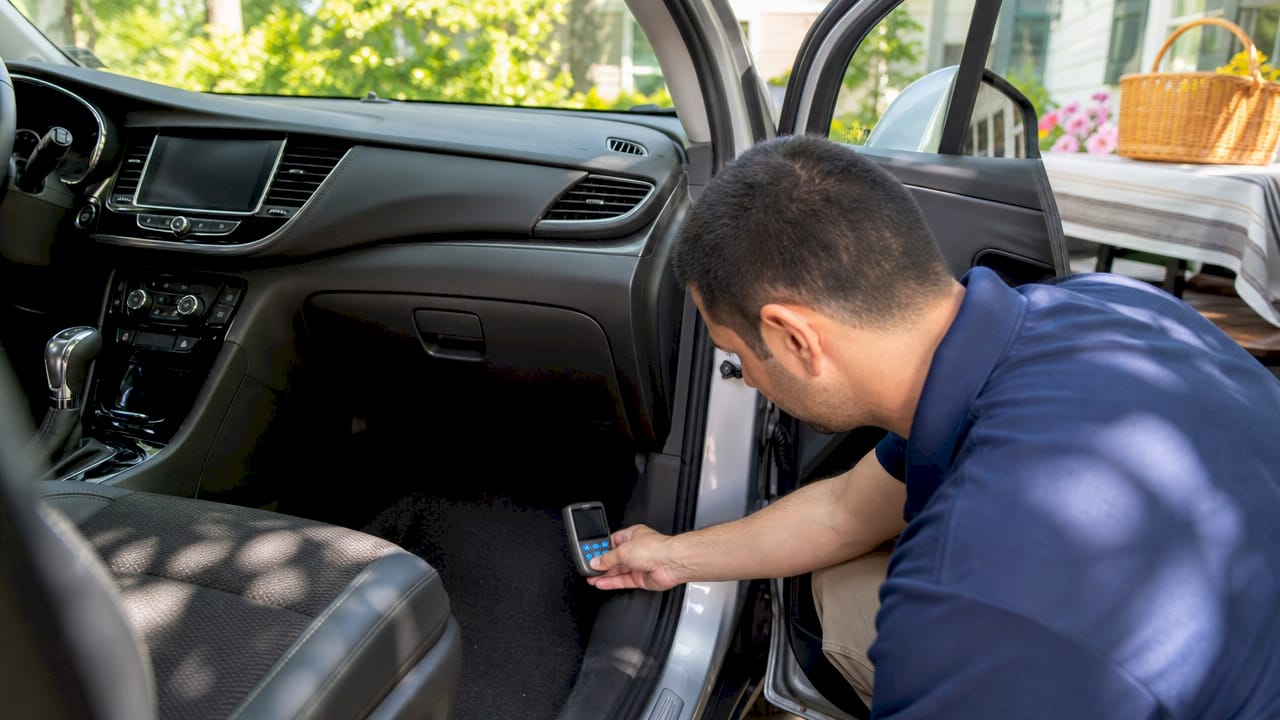
1. Recognize the odor type before touching anything
The first step in any car interior odor evaluation is classification. You cannot treat what you have not identified. Smell categories fall into five main groups:
- Musty or mildew-like. Damp, locker-room quality. Usually tied to HVAC condensation or wet carpet.
- Chemical or solvent. Sharp, eye-watering. Often linked to new materials off-gassing or cleaning product residue.
- Fuel-like. Gasoline or diesel scent. Points to a fuel system issue.
- Burning. Acrid, sometimes smoky. Could be oil, rubber, plastic, or electrical insulation.
- Organic. Food, urine, pet, or tobacco. Embedded in upholstery or carpet padding.
Note exactly when the smell appears. Does it hit you the moment you open the door, or only after the engine warms up? Does it spike when you turn the fan on? Context narrows the source faster than any tool.
Pro Tip: Never spray an air freshener before completing your assessment. Masking the odor changes the scent profile and makes accurate diagnosis much harder.
2. Use the wafting method for initial sniff testing
Direct sniffing of a vent or surface can overwhelm your nose quickly. The wafting method, standard in sensory evaluation, involves holding your hand about six inches from the source and fanning air toward your nose. This gives you a diluted, repeatable sample without olfactory fatigue.
Work from the outside in. Start at the door seals, then move to the floor vents, then the seat cushions. Take a two-minute break between zones to reset your sense of smell. This systematic approach is the foundation of reliable vehicle odor detection.
3. Run the HVAC system through every mode
HVAC testing is one of the most diagnostic steps in assessing vehicle scent issues. Professionals isolate HVAC odors by running the blower at various speeds and noting when intensity changes. A sharp odor spike the moment the fan activates points to moisture in the evaporator or ductwork, not the upholstery.
Run through each mode in sequence:
- Fan only, lowest speed. Note baseline smell.
- Fan at highest speed. A sudden odor surge here signals duct or evaporator mildew.
- Switch to fresh air intake. Compare smell to recirculation mode.
- Activate A/C. A musty smell on first activation is a classic evaporator condensation sign.
- Switch to heat. A sweet smell under heat points toward a coolant leak near the heater core.
Musty HVAC odors typically come from evaporator condensation and blocked drainage. Fragrance masking does nothing to fix this. The fix is clearing the drain and replacing the cabin air filter.
Pro Tip: Check the cabin air filter before any other HVAC component. A filter clogged with leaves, mold, or debris is the single most common source of musty car smells and takes under ten minutes to replace.
4. Conduct a sealed cabin diagnostic test
Experts recommend 30–60 minutes of sealed cabin testing with ventilation mode variations to isolate whether the odor source is inside the cabin or within the HVAC system. Close all windows and doors, set the system to recirculation mode, and let the car idle for 30 minutes. Then open the door and take a fresh-nose assessment.
This technique concentrates ambient odors inside the cabin. Smells that were faint become obvious. It also reveals odors that only appear at operating temperature, which rules out cold-start false positives. Check the glovebox vents and evaporator drain pan during this window as well.
5. Identify mechanical and engine odors that signal danger
Some odors are not comfort issues. They are safety alerts. A sweet smell indicates a coolant leak; a gasoline smell signals a fuel line fault; burning plastic warns of electrical overheating. Each of these requires urgent attention.
Key mechanical odor signals to know:
- Sweet, syrupy smell. Coolant leak, often near the heater core or radiator hose. Do not ignore this.
- Raw gasoline smell. Fuel line crack or loose fuel cap. Fire risk.
- Burning rubber or plastic. Belt slipping, melting wiring insulation, or a dragging brake.
- Sulfur or rotten egg. Catalytic converter issue or a failing battery.
- Burning oil. Oil dripping onto the exhaust manifold. Often accompanied by light smoke.
Stop driving if you smell raw gasoline or burning electrical insulation. These odors indicate active safety hazards. Pull over safely, turn off the engine, and call for mechanical assistance before continuing.
6. Inspect interior materials for deep-seated odors
Surface cleaning fails more often than car owners expect. Persistent odors penetrate carpets and floor padding, and if the padding is contaminated, the odor returns within 24–48 hours of any surface treatment. That return timeline is your clearest sign the contamination goes deeper than the fabric.
| Material Zone | Common Odor Source | Diagnostic Method |
|---|---|---|
| Floor carpet | Urine, mold, spilled liquids | Press and sniff; check padding underneath |
| Seat cushions | Sweat, food, pet dander | Remove seat covers; press foam and sniff |
| Headliner | Smoke, mold | Press gently; musty release confirms absorption |
| Door panels | Mold from window seal leaks | Check lower panel corners for moisture |
| Trunk liner | Mildew, spills | Lift liner; inspect spare tire well |
Odors classified as VVOCs (very volatile organic compounds) dissipate quickly, while SVOCs (semi-volatile organic compounds) bind to fabric fibers and foam. This distinction matters because SVOCs require extraction or replacement, not just surface cleaning. Leather and fabric also respond to different treatments, so identifying the material type is part of the assessment.
Pro Tip: Press down firmly on the carpet and hold for three seconds, then release and sniff immediately. If the odor intensifies on the release, the padding beneath is the source, not the carpet surface.
7. Compare assessment methods and know when to call a professional
Not every odor assessment method delivers the same accuracy. The table below compares common approaches by effort, reliability, and best use case.
| Method | Effort | Reliability | Best For |
|---|---|---|---|
| Sensory sniff testing | Low | Moderate | Initial classification |
| HVAC blower speed test | Low | High | Isolating duct vs. cabin source |
| Sealed cabin soak test | Medium | High | Confirming embedded odors |
| Surface cleaning test | Medium | Low to moderate | Ruling out surface-level causes |
| VOC detector device | High | High | Confirming chemical contamination |
DIY methods work well for surface-level and HVAC odors. They fall short when:
- The odor returns within 48 hours of cleaning.
- Multiple air fresheners have failed to reduce the smell.
- Musty smells appear every time the A/C activates, suggesting embedded mold.
- The source is mechanical and requires disassembly.
At that point, professional diagnosis is not optional. It is the faster and cheaper path. Misdiagnosis leads to repeated cleaning attempts that never reach the actual source.
Key takeaways
Systematic vehicle odor assessment, combining sensory classification, HVAC testing, sealed cabin diagnostics, and material inspection, is the only reliable path to permanent odor elimination.
| Point | Details |
|---|---|
| Classify before treating | Identify odor type and timing before any cleaning or masking attempt. |
| HVAC testing is diagnostic | A blower speed test reveals whether the source is in the ducts or the cabin. |
| Padding contamination is common | Odors returning within 48 hours confirm the padding, not the surface, is the source. |
| Mechanical odors are safety alerts | Sweet, fuel, or burning smells require immediate mechanical inspection, not air freshener. |
| Professional help has a clear threshold | Repeated DIY failures and persistent A/C odors signal the need for expert diagnosis. |
What I have learned from years of vehicle odor work
Most car owners misdiagnose their odor problem at least once before calling a professional. The most common mistake is treating the symptom, not the source. Someone buys three rounds of carpet spray, a hanging freshener, and a vent clip, and the smell is back in a week. That is not a cleaning failure. That is a diagnosis failure.
The wafting method and the sealed cabin test are the two steps I see skipped most often. They feel slow. Car owners want to act fast. But those two steps cut the diagnostic time in half because they tell you exactly where to look. Skipping them means you are guessing.
Mechanical odors are the category that worries me most. A sweet smell near the dashboard is not a quirk. It is a heater core leak, and driving with one can lead to coolant vapor in the cabin, which is a health hazard. I have seen car owners live with that smell for months because it was faint. Early detection matters.
My honest advice: treat any persistent odor as a diagnostic problem, not a cleaning problem. The HVAC system guide from Masterodorremoval is a good starting point if you want to go deeper on the mechanical side. And if the smell comes back after two serious cleaning attempts, stop cleaning and start diagnosing.
— Master
When Masterodorremoval is the right next step
Completing your own assessment is valuable. It tells you what you are dealing with. But when the odor is embedded in padding, tied to mold in the HVAC, or linked to tobacco or marijuana that has saturated the headliner and seats, professional treatment is what actually works.

Masterodorremoval uses green-certified odor removal methods that skip ozone and chlorine entirely, protecting your interior materials while eliminating the source compound. The team offers same or next-day service, and every treatment is backed by a satisfaction guarantee. For car owners who have already tried the DIY route, Masterodorremoval’s professional odor removal process is the step that actually ends the problem.
FAQ
What is the first step in vehicle odor assessment?
The first step is classifying the odor by type, timing, and location before any cleaning or treatment. Identifying whether the smell is musty, chemical, fuel-like, burning, or organic tells you which system to inspect first.
How do I know if my car odor is coming from the HVAC system?
Run the blower at low and then high speed and note whether the odor spikes on activation. A sudden intensity increase when the fan turns on points to mildew or moisture in the evaporator or ducts, not the upholstery.
Why does my car smell bad again after cleaning?
If the odor returns within 24–48 hours, the contamination is in the carpet padding or seat foam, not the surface fabric. Surface cleaning cannot reach deep contamination; professional extraction or material replacement is required.
Which car smells require immediate mechanical attention?
A sweet smell signals a coolant leak, raw gasoline points to a fuel line fault, and burning plastic or electrical odors warn of overheating wiring. All three require urgent inspection and you should stop driving until a mechanic clears the vehicle.
When should I stop DIY odor removal and call a professional?
Call a professional when the odor returns after two serious cleaning attempts, when multiple air fresheners have failed, or when the smell activates every time the A/C runs. These signs indicate an embedded source that DIY methods cannot fully reach.
Recent Comments