
TL;DR:
- Premium odor treatments use advanced technology to permanently eliminate persistent odors in luxury spaces. They target the odor molecules directly through methods like antimicrobial fogging, nanotech coatings, and air purification systems, rather than merely masking fragrances. Proper sequencing of source removal, air treatment, and surface protection ensures lasting results tailored to each environment.
Premium odor treatments are specialized, technology-driven solutions designed to permanently eliminate persistent odors in luxury vehicles, homes, and commercial spaces. Unlike standard air fresheners, the types of premium odor treatments covered here work at the molecular level, using methods like antimicrobial dry fogging, nanotechnology surface coatings, Photo-Catalytic Oxidation (PCO), and enzyme-based biochemical breakdown. 90% of U.S. adults judge spaces by smell, which means odor control is not cosmetic. It directly affects perceived value in every high-end environment you manage.
1. types of premium odor treatments: the leading categories
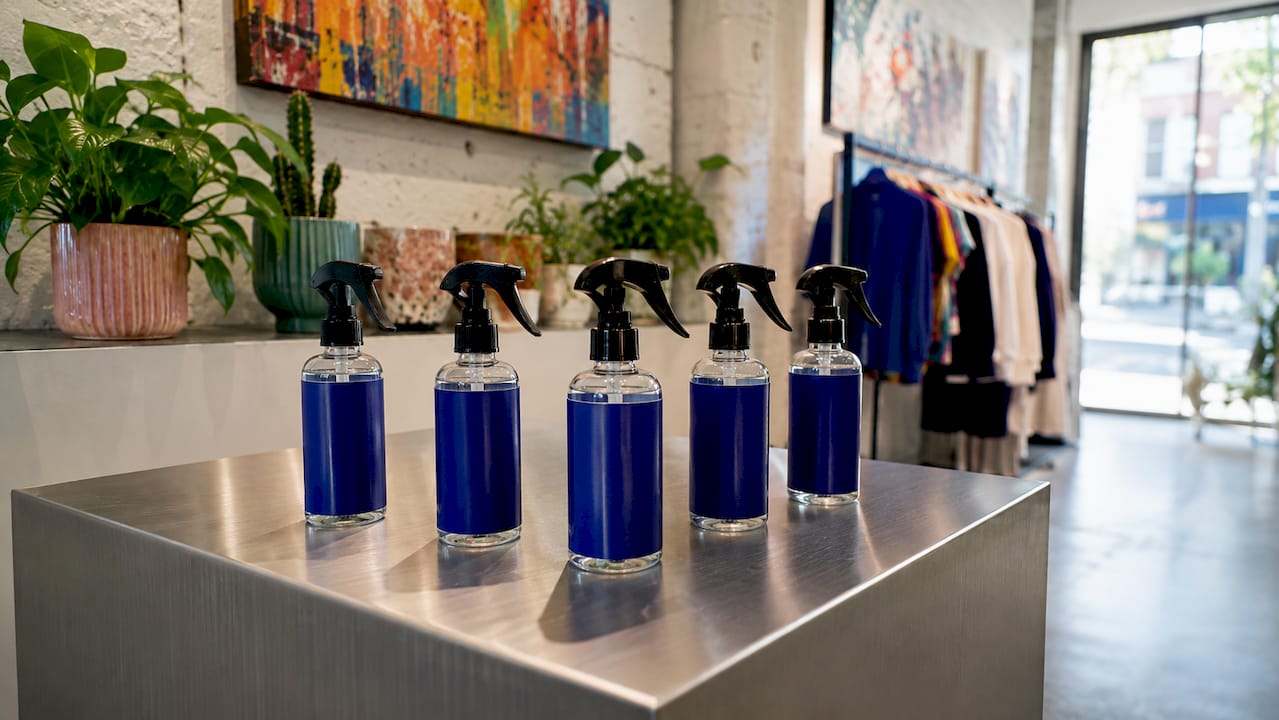
Professional odor remediation, the industry term for what most people call “odor removal,” spans several distinct technology categories. Each targets odor differently, and the best results come from matching the right method to the right environment.
The primary categories include:
- Antimicrobial Dry Fogging Treatment (ADFT): Disperses EPA-registered antimicrobial agents as a fine dry mist that penetrates porous surfaces, fabrics, and HVAC ducts without leaving wet residue.
- Nanotechnology surface coatings: Apply nano-scale protective layers to upholstery, stone, glass, and fabric to repel liquids and prevent odor-causing absorption.
- Advanced air purification systems: Use energized hydrogen peroxide, PCO, and UVGI (ultraviolet germicidal irradiation) to neutralize airborne odors and pathogens.
- Waterless cold-air diffusion: Circulates fragrance oil particles at 3–5 microns without heat or humidity, preferred in luxury hospitality settings.
- Enzyme-based and oxidative treatments: Break down volatile organic compounds (VOCs) at the molecular level on surfaces and fabrics.
Pro Tip: Never combine a masking fragrance with an active odor treatment. The chemical interaction can trigger the re-odor phenomenon, where competing molecules create a new, often worse smell.
The critical distinction across all these categories is masking versus true deodorization. Masking adds a competing scent. True deodorization neutralizes the odor molecule itself. Effective deodorization feels quieter and less perfumed than masking, which is why clients sometimes mistake it for less effective treatment.
2. nanotechnology surface coatings
Nanotech coatings are among the most durable high-end odor control methods available for luxury interiors. They work by replicating the lotus effect, a natural phenomenon where nano-scale surface structures cause liquids to bead and roll off rather than absorb. Nanotech coatings reduce liquid absorption by up to 88% and create water contact angles over 140–160 degrees. That level of repellency means odor-causing spills, pet fluids, and smoke residues cannot penetrate treated surfaces.
| Surface Type | Nanotech Benefit | Typical Application |
|---|---|---|
| Luxury upholstery | Repels liquids, blocks odor absorption | Vehicles, yachts, hotel suites |
| Natural stone | Prevents mold-causing moisture penetration | Bathrooms, lobbies |
| Glass and mirrors | Reduces biofilm and residue buildup | Commercial spaces |
| Fabric and carpet | Stain and odor barrier without changing texture | Residential and hospitality |
These coatings do not alter the look or feel of treated materials. That matters enormously in luxury environments where preserving aesthetics is non-negotiable. PFOA-free formulations are now the standard in premium applications, meeting both safety and environmental compliance requirements.
Pro Tip: Apply nanotech coatings after a full odor remediation treatment, not before. Coating a surface that still holds odor molecules locks the problem in rather than sealing it out.
3. antimicrobial dry fogging treatment (ADFT)
ADFT is the preferred method for treating spaces where odors originate from biological sources: mold, bacteria, tobacco, and pet contamination. ADFT neutralizes mold spores and mycotoxins without toxic residue, making it safe for occupied luxury spaces immediately after treatment. The dry fog penetrates wall cavities, HVAC systems, and upholstered furniture that liquid sprays cannot reach.
The process works by converting an EPA-registered antimicrobial solution into particles small enough to remain suspended in air for extended periods. Those particles contact and neutralize biological odor sources on contact. No structural demolition is required, which is a significant advantage in historic homes, luxury vehicles, and high-end commercial interiors where physical intervention is not an option.
ADFT is particularly effective for tobacco and marijuana odor removal, two of the most persistent and chemically complex odor categories. The treatment reaches the microscopic residue embedded in headliners, door panels, and seat foam that surface cleaning cannot address. Masterodorremoval uses this approach as part of its superior odor removal process for vehicles and residential spaces.
4. advanced air purification systems
The most effective air-based premium odor eliminating products combine multiple technologies in a single unit. The X-MAK™ Air Scrubber uses energized hydrogen peroxide, UVGI, and activated carbon to remove odors, mold, bacteria, and VOCs simultaneously. The Respicaire DTX MB™ combines UVGI, carbon matrix cells, and PCO for continuous odor and pathogen reduction in commercial HVAC systems, with zero ozone emissions.
| Technology | Mechanism | Best Environment |
|---|---|---|
| Energized hydrogen peroxide | Oxidizes odor molecules and pathogens in air | Large commercial spaces, healthcare |
| Photo-Catalytic Oxidation (PCO) | UV light activates catalyst to break down VOCs | Offices, luxury residences |
| UVGI (ultraviolet germicidal irradiation) | Destroys microbial DNA to prevent odor regrowth | Hospitals, hotels, HVAC ducts |
| Activated carbon matrix | Adsorbs odor molecules from circulating air | Any enclosed space with persistent odors |
These systems achieve up to 99.9% reduction in microbial contaminants when integrated into commercial HVAC systems. That figure represents near-total elimination of the biological sources that generate the most persistent odors. For luxury homes and commercial properties, HVAC-integrated air purification is the most cost-effective long-term solution because it treats every cubic foot of circulating air continuously.
Key applications include:
- Luxury hotel lobbies and guest rooms where guest perception drives reviews
- Healthcare facilities where pathogen control and odor control overlap
- High-end office spaces where air quality affects productivity and client impressions
- Residential properties with chronic pet, mold, or cooking odors
5. waterless cold-air diffusion
Waterless cold-air diffusion is the gold standard for scent management in luxury hospitality. Cold-air diffusion with 3–5 micron oil particles delivers consistent scent without humidity or mold risk, making it superior to ultrasonic or heat-based systems. Heat degrades fragrance compounds and can introduce moisture that feeds mold. Cold-air systems preserve the integrity of the scent profile and the integrity of the space.
This method is a premium scent masking solution in the truest sense, but it is most effective when deployed after true deodorization has been completed. Using cold-air diffusion over an untreated odor source only delays the problem. In luxury hotels, spas, and high-end retail, the scent becomes part of the brand identity. That requires a clean olfactory baseline first.
6. enzyme-based and oxidative odor elimination
Enzyme-based treatments are the biochemical category of advanced odor management techniques. Enzyme-based detergents and oxidative cleaners break down odor molecules at the molecular level, unlike masking fragrances that only cover odors temporarily. Enzymes target specific VOC categories: proteins from pet waste, lipids from food, and sulfur compounds from smoke.
The re-odor phenomenon illustrates why this matters. Improper masking chemically interacts with odor molecules and creates new, often unpleasant secondary odors. Enzyme-based treatments avoid this entirely because they consume the odor molecule rather than compete with it.
Practical applications include:
- Fabric and upholstery: Enzyme-based sprays applied after steam cleaning remove residual pet and food odors from luxury car interiors and residential furniture.
- Hard surfaces: Oxidative cleaners using hydrogen peroxide neutralize mold-related odors on stone, tile, and sealed wood without bleaching.
- Laundry: Enzyme-based detergents restore odor-free freshness to linens and uniforms in hospitality environments where fragrance-heavy products would overwhelm guests.
For odor removal in residential spaces, enzyme treatments work best as a follow-up to fogging or air purification, not as a standalone solution for severe contamination.
7. how to choose the right treatment for your environment
Selecting among luxury odor treatment options requires matching the technology to the odor source, the surface type, and the operational constraints of the space.
- Luxury vehicles: Prioritize ADFT for biological odors like tobacco and pet contamination. Follow with nanotech coating on upholstery to prevent recontamination. Enzyme sprays handle residual surface odors. See Masterodorremoval’s guide to vehicle odor neutralization steps for a full workflow.
- Residential properties: Combine HVAC-integrated air purification with enzyme-based surface treatments. Nanotech coatings on high-traffic upholstery extend the results. For persistent mold odors, ADFT is the first step.
- Commercial and hospitality spaces: Advanced air purification systems integrated into existing HVAC infrastructure deliver the best return on investment. Cold-air diffusion adds a branded scent layer after deodorization is complete.
- Eco-conscious environments: Choose PFOA-free nanotech coatings, enzyme-based treatments, and hydrogen peroxide-based air purification. Avoid ozone and chlorine-based methods, which carry health and compliance risks.
Pro Tip: For any space with multiple odor sources, treat in sequence: eliminate the biological source first with ADFT or enzyme treatment, then address air quality with purification, then apply protective coatings. Reversing this order reduces effectiveness at every stage.
Budget is a real factor, but the lowest-cost option is rarely the best odor removal solution for high-end environments. A single professional ADFT treatment costs more than a consumer air freshener but eliminates the source permanently rather than requiring weekly reapplication.
Key takeaways
Premium odor remediation requires source elimination first, then air treatment, then surface protection. Skipping any stage produces incomplete results.
| Point | Details |
|---|---|
| Masking is not deodorization | True odor elimination neutralizes molecules; masking only competes with them temporarily. |
| ADFT reaches where sprays cannot | Dry fogging penetrates porous materials and HVAC systems without toxic residue. |
| Nanotech coatings prevent recontamination | Apply after full remediation to lock out future odor-causing absorption. |
| Air purification works continuously | PCO, UVGI, and activated carbon systems treat every cubic foot of circulating air. |
| Sequence determines success | Treat the source, then the air, then the surface for lasting results in any environment. |
What i’ve learned after years of premium odor work
The most common mistake I see is clients who have already spent money on fragrance-heavy products before calling us. They describe the space as “still smelling bad but also perfumed.” That is the re-odor phenomenon in action. The masking product reacted with the original odor molecules and created a third smell that is harder to identify and harder to treat.
My honest position is that the best treatments are the ones you barely notice. After a proper ADFT treatment followed by enzyme surface work, a space should smell like nothing. Not clean linen. Not citrus. Nothing. That neutral baseline is what tells me the job is done. Clients sometimes push back on this because they associate freshness with fragrance. I understand the instinct, but olfactory overload from fragrance-heavy products can actually mask a persistent odor source for weeks before it breaks through again.
The technology I am most excited about for 2026 is the convergence of PFOA-free nanotech coatings with HVAC-integrated PCO systems. Applied together in a luxury property, they create a self-maintaining environment where surfaces resist contamination and air continuously neutralizes what does get through. That combination is where eco-friendly odor removal trends are heading, and it aligns perfectly with what high-end clients actually want: permanent results with no chemical footprint.
The one thing I would tell any property manager or vehicle fleet operator: stop evaluating odor treatments by how strong they smell immediately after application. Evaluate them by what the space smells like 30 days later.
— Master
Masterodorremoval’s premium solutions for luxury interiors
Masterodorremoval specializes in permanent odor elimination for vehicles, homes, yachts, and commercial spaces using the advanced methods covered in this guide. Every treatment is eco-friendly and green-certified, with no ozone or chlorine used at any stage.

The team deploys antimicrobial fogging, enzyme-based surface treatments, and nanotech-compatible protocols tailored to each environment. Same-day and next-day service is available nationwide. If you are managing a luxury property, dealership, or hospitality venue and need odor removal done right, Masterodorremoval delivers results that hold. Explore the full range of professional odor removal solutions and get a personalized treatment plan for your space.
FAQ
What are the most effective premium odor treatments?
Antimicrobial dry fogging, PCO air purification, and enzyme-based surface treatments are the most effective options. The best results come from combining all three in sequence rather than using any single method alone.
How do premium treatments differ from store-bought products?
Premium treatments neutralize odor molecules at the source using EPA-registered agents and advanced technology. Store-bought products typically mask odors with fragrance, which can trigger the re-odor phenomenon over time.
Are nanotech odor coatings safe for luxury upholstery?
Yes. PFOA-free nanotech coatings replicate the lotus effect to repel liquids without altering the texture, color, or appearance of treated materials. They are specifically designed for high-end fabrics, leather, and stone surfaces.
How long do premium odor treatments last?
ADFT and enzyme treatments provide permanent elimination of the treated odor source. Nanotech coatings typically last 12–24 months depending on traffic and cleaning frequency. HVAC-integrated air purification systems work continuously with routine filter maintenance.
Can these methods be used in vehicles and homes?
All the methods covered here apply to both vehicles and residential spaces. ADFT and enzyme treatments are particularly effective in vehicle interiors, while HVAC-integrated air purification is better suited to homes and commercial properties.
Recommended
- Professional Odor Removal: Luxury Eco-Friendly Solutions – Master Odor Removal
- Eco-friendly odor removal trends for luxury interiors 2026 – Master Odor Removal
- Odor neutralization: eco-friendly solutions for luxury – Master Odor Removal
- Odor removal standards explained: guide for eco-friendly interiors – Master Odor Removal
Recent Comments