
TL;DR:
- Successful odor removal requires addressing hidden contamination, using proper techniques, and controlling environmental conditions. Failing to treat biofilms, uric acid crystals, or moisture sources leads to persistent odors that often recur after surface cleaning. Employing targeted methods, detection tools, and environmental management is essential for permanent results.
The primary reasons for failed odor removal are hidden contamination locked inside porous materials, incorrect treatment techniques, and environmental conditions that reactivate odors after cleaning. Most people treat the symptom, not the source. That gap between surface cleaning and true elimination is where odors survive, and where frustration begins. Whether you are dealing with pet urine in a luxury rental, tobacco smoke in a vehicle, or mildew in a commercial space, the same core failure patterns repeat. Understanding them is the first step toward fixing them for good.
1. What are the top reasons for failed odor removal?
The single most common reason odor removal fails is that the contamination source is never fully reached. Biofilms formed by bacteria trap odor compounds beneath the surface of materials, making standard cleaning completely ineffective. You can scrub a floor or spray a fabric until it looks spotless, and the odor will return within days.
Three failure categories account for nearly every persistent odor case:
- Hidden contamination in porous substrates like carpet padding, drywall, and subfloor
- Incorrect treatment methods, including wrong product choice, insufficient dwell time, or heat misuse
- Environmental reactivation caused by humidity, poor ventilation, or moisture intrusion
Each category requires a different solution. Treating only one while ignoring the others guarantees the odor comes back.
2. How hidden contamination disrupts successful odor removal
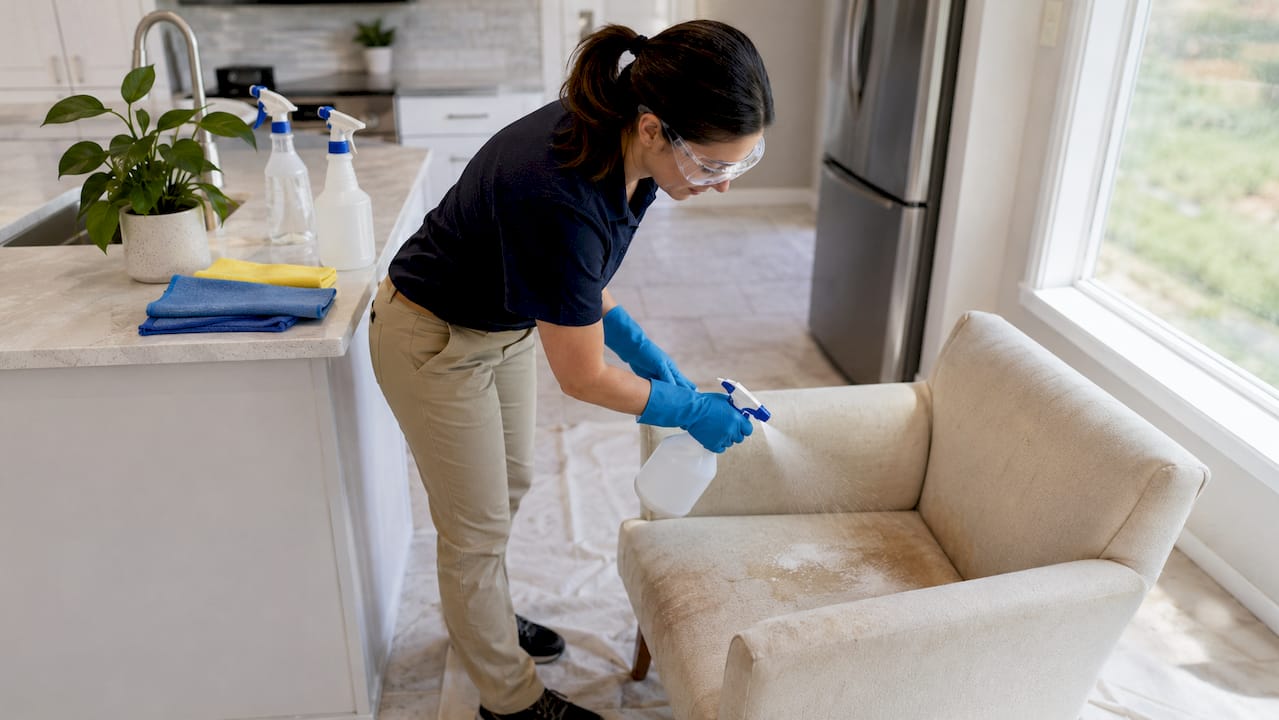
Hidden contamination is the most underestimated factor affecting odor removal. Biofilms account for 70–80% of persistent odor problems in modern energy-efficient homes. That figure reflects a structural problem: today’s tightly sealed homes trap humidity, which accelerates biofilm growth inside walls, under floors, and within HVAC systems.
Pet urine creates a specific type of hidden contamination. Uric acid crystals form as urine dries and bond to carpet fibers, padding, and the subfloor beneath. Water-based cleaners dissolve the surface residue but leave the crystals intact. When humidity rises, those crystals reactivate and release odor compounds again. This is why pet odors persist in rentals even after professional carpet cleaning.
Common locations where hidden contamination hides:
- Carpet padding and subfloor beneath visible carpet layers
- Drywall cavities where moisture and bacteria accumulate
- HVAC ducts that circulate odor compounds throughout a building
- Crawl spaces with uncontrolled moisture and organic debris
- Upholstered furniture where liquids wick deep into foam cores
Pro Tip: Before treating any odor, use a UV blacklight to identify the full extent of contamination. Uric acid fluoresces under UV light, revealing satellite deposits that visual inspection misses entirely.
3. Common cleaning method mistakes that cause odor removal to fail
Improper technique is the second major category of why odor removal fails. The wrong method does not just fail to work. It can permanently lock odors into materials.
Using heat on protein-based odors. Steam cleaning or hot water extraction thermally bonds protein compounds deeper into substrates. Once heat-fixed, those odors resist virtually every subsequent treatment. This is one of the most damaging common odor removal mistakes professionals see.
Cutting dwell time short. Enzyme cleaners require sustained wet contact to chemically degrade odor molecules inside porous materials. Applying a product and wiping it up after two minutes accomplishes nothing. Most enzymatic treatments need 10–30 minutes of wet contact to work.
Treating only the visible area. Satellite contamination refers to odor deposits that spread beyond the original stain. A pet accident on carpet, for example, wicks outward and downward in a cone shape. Treating only the visible spot leaves the surrounding contamination untouched.
Misusing strong chemicals. Bleach and ammonia-based cleaners can corrode materials and react with existing odor compounds to create new, worse smells. They also kill surface bacteria without reaching the biofilm layer underneath.
Masking odors with air fresheners. Sprays, plug-ins, and scented candles add a competing smell on top of the source. They do not neutralize anything. Worse, they can obscure serious problems like mold growth or sewage leaks that require immediate attention.
Pro Tip: When using enzyme cleaners on carpet or upholstery, cover the treated area with plastic wrap after application. This slows evaporation and extends dwell time without requiring you to reapply the product.
4. How environmental factors cause odors to return after treatment
Environmental conditions are the most overlooked factors affecting odor removal. You can eliminate a contamination source completely and still have odors return if the environment is not controlled.
Mold spores colonize damp surfaces within 24–48 hours after moisture intrusion. That window is shorter than most people realize. A slow leak behind a wall or a humid crawl space can re-establish a mold colony faster than any treatment can keep up with.
Humidity also reactivates uric acid crystals and other odor compounds that were previously dormant. This explains why a room that smelled fine in winter suddenly reeks in summer. The odor source never left. It was simply waiting for the right conditions.
Key environmental triggers that cause odor reactivation:
- Indoor humidity above 50% accelerates mold growth and reactivates crystallized odor compounds
- Broken plumbing vent pipes allow sewer gases to enter living spaces, often mistaken for drain odors
- Poor ventilation in airtight homes traps moisture and odor compounds with no exit path
- Crawl space moisture migrates upward through flooring into living areas
- Leaking roofs or windows introduce water that feeds mold behind walls
Maintaining indoor humidity below 50% is the single most effective environmental control measure for preventing odor recurrence. A quality dehumidifier and a hygrometer to monitor levels are non-negotiable in any serious odor remediation plan. Building habits around ventilation and humidity control pays dividends long after treatment ends.
Many homeowners focus on drains as the odor source when the real cause is a broken vent pipe or hidden moisture pocket. Misidentifying the source means treating the wrong location entirely.
5. Why DIY odor removal often fails
DIY odor removal typically masks odors rather than eliminating their sources. Store-bought sprays, rental carpet machines, and consumer enzyme products are formulated for light-duty use. They lack the concentration and penetration depth needed for serious contamination.
The limitations of DIY approaches include:
- No source detection tools. Professionals use thermal imaging cameras, moisture meters, and smoke testing to locate hidden contamination. DIY attempts rely on smell alone, which misses satellite deposits and subsurface sources.
- Incorrect product selection. Choosing the wrong chemistry for the odor type is a guaranteed failure. Tobacco odor requires different treatment than pet urine, which requires different treatment than mold.
- No material replacement capability. Severely contaminated porous materials sometimes cannot be treated. They must be removed and replaced. DIY approaches rarely include this option.
- Health risks from ongoing exposure. Mold and bacterial biofilms left untreated create ongoing respiratory and health risks. Masking the smell does not eliminate the biological hazard.
Ozone treatment is one professional method that requires a sealed, uninhabited space for 4–6 hours and trained operators to avoid respiratory harm. Consumer ozone machines sold online do not deliver the concentration or distribution needed for effective results in inaccessible areas. Masterodorremoval avoids ozone entirely in favor of safer, green-certified methods that do not require evacuating a space for hours.
6. Failure modes vs. effective odor removal techniques
The table below contrasts the most common failure patterns with the proven approaches that replace them.
| Failure mode | Why it fails | Effective technique |
|---|---|---|
| Surface-only cleaning | Leaves biofilms and crystals in substrate | Deep penetration with enzymatic or oxidizing agents |
| Heat application on protein odors | Thermally bonds compounds into material | Cold-water extraction with appropriate chemistry |
| Short enzyme dwell time | Incomplete molecular breakdown | Extended wet contact, 10–30 minutes minimum |
| Air freshener masking | Adds scent without neutralizing source | Source identification and elimination first |
| Ignoring humidity and ventilation | Odors reactivate with moisture | Dehumidification below 50% RH and ventilation repair |
| DIY without detection tools | Misses satellite and subsurface contamination | Professional inspection with UV, thermal, and moisture tools |
| Skipping material replacement | Contaminated substrate continues off-gassing | Remove and replace carpet padding, drywall, or subfloor as needed |
The pattern is consistent: every effective odor removal technique addresses the source directly, uses the right chemistry at the right concentration, and controls the environment afterward. Shortcuts at any stage reopen the door to failure.
Pro Tip: After any major odor treatment, schedule a follow-up inspection at 30 days. Odors that return within a month almost always indicate untreated satellite contamination or an unresolved moisture source.
Key takeaways
Odor removal fails when hidden contamination, incorrect technique, and uncontrolled environmental conditions are not addressed together as a system.
| Point | Details |
|---|---|
| Hidden contamination is the root cause | Biofilms and uric acid crystals in porous materials survive surface cleaning and require deep treatment. |
| Heat destroys treatment options | Steam or hot water on protein odors permanently bonds compounds into substrates, blocking future remediation. |
| Dwell time is non-negotiable | Enzyme cleaners need 10–30 minutes of wet contact to break down odor molecules at the source. |
| Humidity drives odor reactivation | Keeping indoor humidity below 50% prevents mold growth and stops dormant odor compounds from returning. |
| DIY methods mask, not eliminate | Without detection tools and professional-grade chemistry, most DIY attempts leave contamination intact. |
What I have learned after years of treating odors that would not quit
The most frustrating calls I receive are from clients who have already spent money on treatments that failed. A luxury property manager in South Florida recently came to us after three rounds of carpet cleaning and two rounds of enzyme spray on a pet-contaminated unit. The odor kept returning. When we inspected the space, the subfloor had absorbed urine through the padding and into the wood. The carpet was clean. The building was not.
That situation is not unusual. The odor removal industry has a credibility problem because too many providers treat the visible surface and call it done. Clients pay, the smell disappears for a week, and then it comes back. They conclude that odor removal does not work. What actually failed was the method, not the concept.
The science behind odors is not complicated once you understand it. Odor molecules bond to surfaces. Biofilms protect bacterial colonies from cleaning agents. Crystals reactivate with moisture. None of these problems respond to sprays and scrubbing alone. They require the right chemistry, applied at the right depth, for the right amount of time, in a controlled environment.
My advice to anyone dealing with a persistent odor: stop treating symptoms and start investigating sources. Use a home inspection checklist to identify moisture entry points, ventilation failures, and hidden contamination zones before spending another dollar on product. Then match the treatment to the actual chemistry of the odor you are dealing with. If you are not sure, work with a specialist who understands material science and building systems, not just cleaning products.
— Master
Why Masterodorremoval gets it right when other treatments fail
Persistent odors deserve more than another round of spray and hope. Masterodorremoval approaches every job as a diagnostic challenge first and a treatment challenge second.

Our licensed professionals use advanced detection tools to locate contamination at every depth, then apply science-backed eco-friendly methods matched to the specific chemistry of your odor. We never use ozone or chlorine. Every treatment is green-certified and safe for your family, your clients, and your property. Same-day and next-day availability means you are not waiting weeks for results. If you are ready to stop guessing and start with a guaranteed solution, visit our odor removal service page and let us assess your space today.
FAQ
Why does odor come back after professional cleaning?
Odor returns after cleaning when satellite contamination or subsurface deposits were not fully treated. Humidity and moisture reactivate dormant odor compounds, particularly uric acid crystals from pet urine.
What is the most common odor removal mistake?
Using heat on protein-based odors is one of the most damaging mistakes. Steam cleaning thermally bonds odor compounds into substrates, making subsequent treatment far less effective or impossible.
How long should enzyme cleaners sit on a surface?
Enzyme cleaners need a minimum of 10–30 minutes of wet contact to chemically degrade odor molecules. Cutting dwell time short leaves the contamination intact and the odor source untreated.
When should I call a professional instead of treating odors myself?
Call a professional when odors return after two or more treatments, when mold or moisture is suspected, or when the contamination has reached porous building materials like subfloor or drywall.
Does keeping humidity low actually prevent odors from returning?
Yes. Maintaining indoor humidity below 50% prevents mold colonization and stops dormant odor compounds from reactivating. A dehumidifier paired with a hygrometer is the most reliable way to hold that threshold consistently.
Recent Comments