
Managing smoke odor in luxury vehicles, yachts, and hospitality venues presents a persistent challenge for property managers and owners. Traditional treatments often compromise either environmental standards or material integrity, creating a dilemma for those maintaining premium interiors. This comprehensive workflow guides you through sustainable, effective methods that protect your valuable assets while permanently eliminating smoke odors. You’ll learn preparation strategies, execution techniques, and verification protocols designed specifically for high-end environments where both results and responsibility matter.
Table of Contents
- Key takeaways
- Understanding smoke odor challenges and sustainable solutions
- Preparation: essential tools and preventive measures for pristine interiors
- Step-by-step smoke odor removal workflow
- Verification and troubleshooting common issues
- Professional sustainable smoke odor removal with Master Odor Removal
- Frequently asked questions
Key Takeaways
| Point | Details |
|---|---|
| Strategic planning and execution | Successful smoke odor removal requires careful planning and precise, sequential steps to protect materials and achieve lasting freshness. |
| HEPA prep and monitoring | Preparing with HEPA filtration and ongoing air quality monitoring reduces odor occurrence and helps identify issues early. |
| Hybrid ozone and absorbers | A layered approach that combines ozone treatment with natural absorbers yields strong deodorization while limiting environmental impact. |
| Stepwise cleaning protocol | A methodical sequence of mechanical cleaning, enzymatic treatment, and absorption addresses odor at multiple levels. |
Understanding smoke odor challenges and sustainable solutions
Smoke molecules penetrate deeply into porous luxury materials like leather, fine fabrics, and wood trim, creating persistent odor problems that resist surface cleaning. These microscopic particles embed themselves in upholstery fibers, carpet backing, and ventilation systems, requiring comprehensive treatment strategies rather than simple air freshening.
Traditional ozone shock treatment delivers powerful results but raises environmental and safety concerns. The method generates unstable oxygen molecules that oxidize odor compounds effectively, yet ozone can damage sensitive materials and poses health risks during application. Natural absorbers like activated charcoal and zeolites offer gentler alternatives, though they struggle with severe contamination.
Professional property managers increasingly adopt hybrid approaches that balance effectiveness with sustainability. These methods combine mechanical cleaning, targeted chemical treatments, and natural absorption to achieve results without harsh environmental impacts. Understanding each method’s strengths and limitations helps you select appropriate treatments for specific situations.
Key considerations when choosing removal methods:
- Material sensitivity of luxury surfaces requiring gentle treatment
- Severity of smoke contamination determining treatment intensity
- Timeline constraints for vehicle turnaround or guest occupancy
- Environmental standards your organization maintains
- Budget allocation for equipment and professional services
The most effective protocols layer multiple techniques sequentially. Initial mechanical cleaning removes surface residue, followed by enzymatic treatments that break down odor molecules, then natural absorbers that capture remaining particles. This comprehensive approach addresses smoke odor at every level without relying solely on aggressive oxidation. For properties with recurring issues, implementing preventive measures alongside treatment protocols delivers superior long-term results, particularly important for tobacco odor removal in high-turnover environments.
Preparation: essential tools and preventive measures for pristine interiors
Proper preparation determines treatment success before you begin active odor removal. Assembling the right tools and implementing preventive measures creates conditions for thorough, efficient deodorizing while protecting valuable interior surfaces from damage during the process.
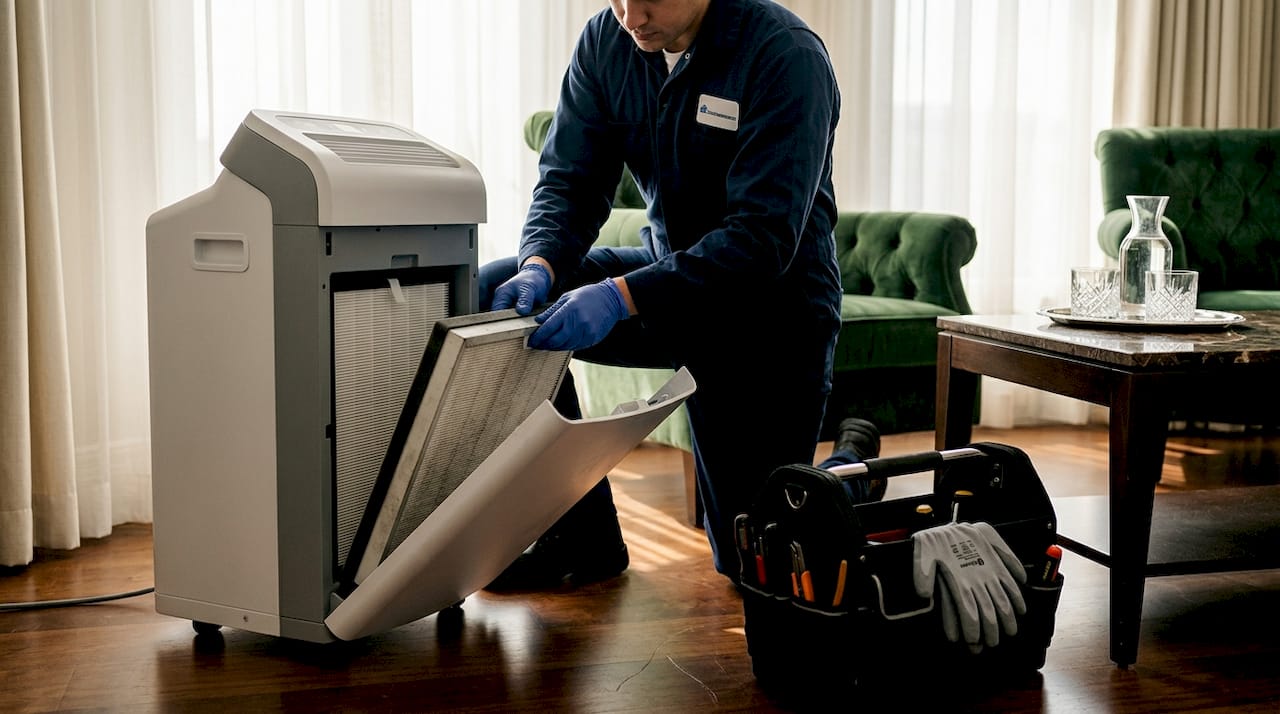
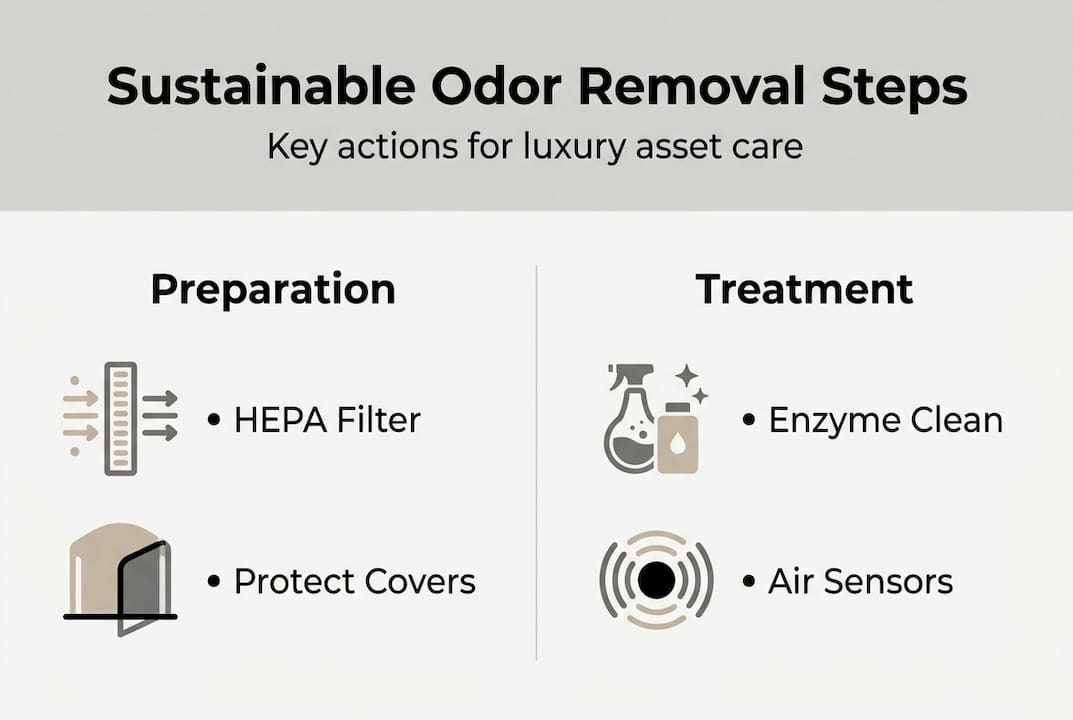
Essential equipment for professional smoke odor removal includes HEPA filtration systems that capture airborne particles, enzymatic cleaning solutions designed for luxury materials, protective seat covers and surface barriers, activated charcoal absorbers in multiple forms, and air quality monitoring devices. Each tool serves a specific purpose in the comprehensive workflow, and skipping items compromises results.
| Tool | Primary Purpose | Best Application |
|---|---|---|
| HEPA filtration | Airborne particle removal | Continuous operation during treatment |
| Enzymatic cleaners | Molecular odor breakdown | Pre-treatment surface application |
| Protective covers | Material preservation | During intensive cleaning phases |
| Charcoal absorbers | Residual odor capture | Post-treatment placement |
| Air quality sensors | Objective verification | Before and after measurement |
Preventive strategies significantly reduce odor occurrence in luxury environments. Installing washable seat covers in vehicles and yachts creates barriers that intercept smoke particles before they reach expensive upholstery. Regular HEPA filter replacement in ventilation systems prevents odor accumulation in ductwork. These proactive measures prove especially valuable for move-in and move-out cleaning services where rapid turnaround matters.
Hospitality venues benefit from advanced sensor technology that detects smoking activity in real time. These systems alert staff immediately, enabling prompt intervention before smoke permeates furnishings and finishes. Luxury casino hotels report significant odor reduction after implementing 24/7 molecular monitoring, catching violations within minutes rather than discovering them during checkout.
Pro Tip: Schedule HEPA filter inspections monthly rather than waiting for visible performance decline. Filters lose efficiency gradually, allowing odor molecules to bypass filtration before you notice reduced airflow. Replacing filters on a fixed schedule maintains consistent air quality and prevents gradual odor buildup that becomes harder to address.
Understanding the differences between direct chemical application and gas treatments helps you select appropriate methods for specific materials and contamination levels. Surface treatments work well for localized issues, while gaseous approaches reach hidden areas like ventilation systems and under-seat spaces where smoke accumulates unnoticed.
Step-by-step smoke odor removal workflow
Systematic execution ensures complete odor elimination without damaging luxury materials. This proven workflow combines mechanical, chemical, and natural methods in optimal sequence for sustainable results that satisfy demanding clients and preserve property value.
- Remove all loose items and vacuum thoroughly using HEPA equipment to capture surface particles and prevent redistribution during wet cleaning.
- Apply enzymatic cleaner to all porous surfaces including upholstery, carpets, and headliners, allowing proper dwell time for molecular breakdown.
- Extract cleaning solution with hot water extraction equipment, removing dissolved odor compounds and residual smoke particles from deep within materials.
- Treat hard surfaces with appropriate cleaners, paying special attention to ventilation grilles, trim pieces, and glass where smoke film accumulates.
- Place activated charcoal absorbers strategically throughout the interior, focusing on areas with poor air circulation like under seats and storage compartments.
- Run HEPA filtration continuously for 24-48 hours with windows closed, cycling air through filters multiple times to capture airborne molecules.
- Evaluate results objectively using air quality sensors, repeating specific steps if measurements indicate remaining contamination.
Method comparison helps you understand when each approach delivers optimal results:
| Method | Effectiveness | Safety | Sustainability | Best For |
|---|---|---|---|---|
| Ozone treatment | Very high | Requires evacuation | Low environmental score | Severe contamination |
| Natural absorbers | Moderate | Completely safe | Highest sustainability | Mild to moderate odors |
| Enzymatic cleaning | High | Safe for occupied spaces | Good environmental profile | All contamination levels |
| Combined approach | Highest | Safe with proper protocols | Balanced sustainability | Professional applications |
Timing matters significantly in workflow execution. Allowing adequate dwell time for enzymatic cleaners ensures complete molecular breakdown, typically 15-20 minutes depending on contamination severity. Rushing this step leaves odor compounds intact, requiring repeated treatments. Similarly, charcoal absorbers need 24-48 hours minimum to capture residual molecules effectively.
Airflow management during treatment prevents cross-contamination between cleaned and untreated areas. In vehicles, treating the passenger compartment separately from the trunk prevents odor migration. Yachts require cabin-by-cabin isolation to avoid spreading smoke molecules through connected spaces. Hospitality venues benefit from sealing treated rooms and running dedicated filtration rather than relying on central HVAC systems.
Pro Tip: Complete all wet cleaning and extraction before placing charcoal absorbers. Moisture reduces absorber efficiency dramatically, wasting expensive materials and extending treatment timelines. Wait until surfaces feel completely dry to touch, then position absorbers for maximum effectiveness.
For properties with extensive contamination, consider the specialized techniques used in smoke odor removal for autos and homes where years of accumulation require intensive treatment. These situations often involve cigarette tar buildup that demands specialized solvents and multiple treatment cycles. Understanding when standard protocols need enhancement prevents disappointing results and wasted effort.
Verification and troubleshooting common issues
Objective verification confirms treatment success and identifies any remaining problems requiring attention. Relying solely on subjective smell tests misses subtle odors that return as materials off-gas or environmental conditions change, disappointing clients and damaging your reputation.
Air quality sensors provide quantitative measurements of volatile organic compounds associated with smoke odor. Baseline readings before treatment establish contamination levels, while post-treatment measurements verify elimination. Target readings below 50 parts per billion for luxury applications where clients expect absolute freshness. Hospitality venues particularly benefit from sensor verification systems that document treatment effectiveness objectively.
Common signs of incomplete odor removal include lingering smell in specific areas like ventilation outlets, odor that intensifies with heat or humidity, and smell that returns days after treatment. These indicators suggest trapped contamination in hidden spaces, inadequate dwell time for cleaning agents, or insufficient air cycling during filtration phases.
Troubleshooting actions for persistent odors:
- Inspect and clean ventilation system components including blower motors and evaporator cores where smoke accumulates heavily
- Extend charcoal absorber placement duration to 72 hours or replace with fresh materials if saturation occurred
- Apply additional enzymatic treatment to specific problem areas identified through smell testing
- Check for hidden contamination sources like removed floor mats or storage compartments overlooked during initial treatment
- Consider professional assessment if DIY methods fail repeatedly
Pro Tip: Use multiple small charcoal bags rather than single large containers for better coverage and easier replacement. Position bags directly against problem surfaces like seat backs and door panels where smoke concentration peaks. This targeted approach captures odors more efficiently than central placement alone.
Documentation proves essential for continuous improvement and client communication. Photograph contaminated areas before treatment, record specific products and dwell times used, note air quality readings at multiple stages, and document final verification results. This information helps refine your protocols and provides evidence of thorough professional service.
For situations where previous treatments failed, understanding odor removal after ozone service complications helps you avoid repeating mistakes. Ozone can create new odor problems by incompletely oxidizing compounds or damaging materials that then off-gas unpleasant smells. Recognizing these secondary issues enables targeted correction rather than simply repeating ineffective treatments.
Regular maintenance prevents odor recurrence in high-use properties. Monthly HEPA filter changes, quarterly deep cleaning of ventilation systems, and immediate spot treatment of new contamination maintain the fresh environment your clients expect. Prevention costs far less than repeated intensive treatments.
Professional sustainable smoke odor removal with Master Odor Removal
While understanding smoke odor removal workflows empowers property managers, partnering with specialists delivers superior results for valuable luxury assets. Master Odor Removal brings certified expertise specifically tailored to high-end vehicles, yachts, and hospitality venues where both effectiveness and environmental responsibility matter.

Our green-certified approach eliminates smoke odors permanently without harsh chemicals or ozone treatments that compromise sustainability standards. We combine advanced enzymatic formulations with proven mechanical techniques and natural absorbers, creating customized protocols for each property’s unique materials and contamination levels. This specialized expertise ensures your luxury interiors receive appropriate treatment that preserves value while restoring freshness.
Same-day and next-day availability accommodates urgent turnaround needs for vehicle sales, yacht charters, and hospitality bookings. Our licensed professionals understand the financial impact of delayed availability and work efficiently to return properties to service quickly. Every treatment includes satisfaction guarantees backed by objective air quality verification, giving you confidence in lasting results. Discover how professional odor removal done right protects your investment and reputation, or explore our green-certified car odor removal services designed specifically for luxury automotive applications.
Frequently asked questions
How long does smoke odor removal usually take?
Timeline depends on contamination severity and chosen methods, typically ranging from one to three days for thorough treatment. Light smoke exposure may resolve in 24 hours with enzymatic cleaning and charcoal absorption, while heavy contamination requires multiple treatment cycles over several days. Proper scheduling of preparation, execution, and verification steps ensures efficient processing without rushing critical dwell times that determine success.
Is ozone treatment safe for all luxury interior materials?
Ozone can damage delicate materials if improperly applied, particularly natural rubber, certain plastics, and some leather finishes. The powerful oxidation that eliminates odors also degrades sensitive compounds in luxury materials, potentially causing cracking, discoloration, or brittleness. Combining limited ozone exposure with gentler enzymatic methods provides effectiveness while minimizing material risks, making hybrid approaches preferable for high-value properties.
How can I prevent smoke odors from recurring in my property?
Regular HEPA filtration maintenance and protective coverings significantly reduce odor buildup between deep cleanings. Replace cabin air filters monthly in high-use vehicles and yachts, install washable seat covers that intercept smoke particles, and schedule quarterly ventilation system cleaning to prevent accumulation in ductwork. Hospitality venues benefit from real-time sensor monitoring that detects smoking immediately, enabling prompt intervention before odors permeate furnishings.
What makes enzymatic cleaners effective for smoke odor?
Enzymatic formulations contain biological catalysts that break down odor molecules at the molecular level rather than masking smells with fragrances. These specialized proteins target specific chemical bonds in smoke compounds, converting them into odorless byproducts that rinse away during extraction. This molecular destruction provides permanent elimination rather than temporary coverage, making enzymatic treatment essential for luxury applications where lasting freshness matters.
Can smoke odor removal damage my vehicle’s electronics?
Properly executed treatments protect electronics through careful moisture management and appropriate product selection. Water-based cleaners applied with controlled spray patterns and immediate extraction prevent liquid intrusion into sensitive components. Covering electronic modules during treatment and avoiding excessive saturation ensures safety. Professional services understand these precautions and carry insurance for the rare situations where problems occur despite proper protocols.
Recent Comments