
The smells that kill deals and how to fix them fast
Pet urine, cigarette smoke, mildew, and musty basement air are the key odors to address before showings. Buyers notice them within seconds of walking through the front door, and odors signal hidden damage to buyers who then assume mold, leaks, or worse. The fix is not a plug-in or a scented candle. It is source elimination, full stop.
Here is what you are dealing with before a single buyer walks in:
- Pet urine soaked into carpet padding and subfloor
- Cigarette and smoke odors embedded in walls, upholstery, and HVAC filters
- Musty basement and mildew smells tied to moisture and potential mold
- Mildewed shower curtains and bathroom surfaces
- Dirty laundry and gym gear left in closets or hampers
- Garbage disposals, drains, and trash cans that hold rotting organic material
The first step before anything else: get a neutral third party to walk through your home and tell you honestly what they smell. You have likely gone nose blind to your own space. Your real estate agent is the right person for this. Then ventilate every room, remove all trash, wash laundry, and clear pet areas before you do anything else.
Pro Tip: Skip the air fresheners entirely at this stage. Masking an odor before you have eliminated its source just layers one problem on top of another.
Table of Contents
- Common household odors that send buyers walking
- Proven techniques to fully eliminate odors before a showing
- How to use subtle scents to create a welcoming atmosphere
- When persistent odors call for a professional solution
- Key Takeaways
Common household odors that send buyers walking
Buyers do not just notice bad smells. They interpret them. Foul odors like pet urine, smoke, or mildew cause buyers to assume expensive hidden problems: rotting subfloors, active mold infestations, structural leaks. That assumption lowers their offer or ends the showing entirely.
The odors sellers most often miss because of adaptation include:
- Dirty laundry and athletic gear stored in bedrooms or closets, which create a stale, sour smell that saturates soft furnishings nearby
- Cigarette smoke, which consists of tiny sticky particles that embed deeply into walls, carpets, drapes, and HVAC ductwork, making it one of the hardest smells to remove
- Musty basement odors from condensation, slow leaks, or poor air circulation that allow mold and mildew to grow on walls and flooring
- Mildewed shower curtains and grout lines in bathrooms where ventilation fans are weak or rarely used
- Garbage disposals and kitchen drains harboring rotting food debris that releases a sharp, sour odor
- Sewer gas from dry P-traps in guest bathrooms or infrequently used drains, which produces a sulfur-like smell buyers often mistake for a plumbing failure
- Pet dander and accident spots in carpets and upholstered furniture, especially in rooms where animals sleep regularly
The tricky part is that sellers adapt to these smells over months or years. A guest bedroom that smells faintly of cat urine may not register to you at all. To a buyer, it registers immediately and permanently. That is why the neutral third-party smell test mentioned above is not optional. It is the most useful thing you can do before listing.
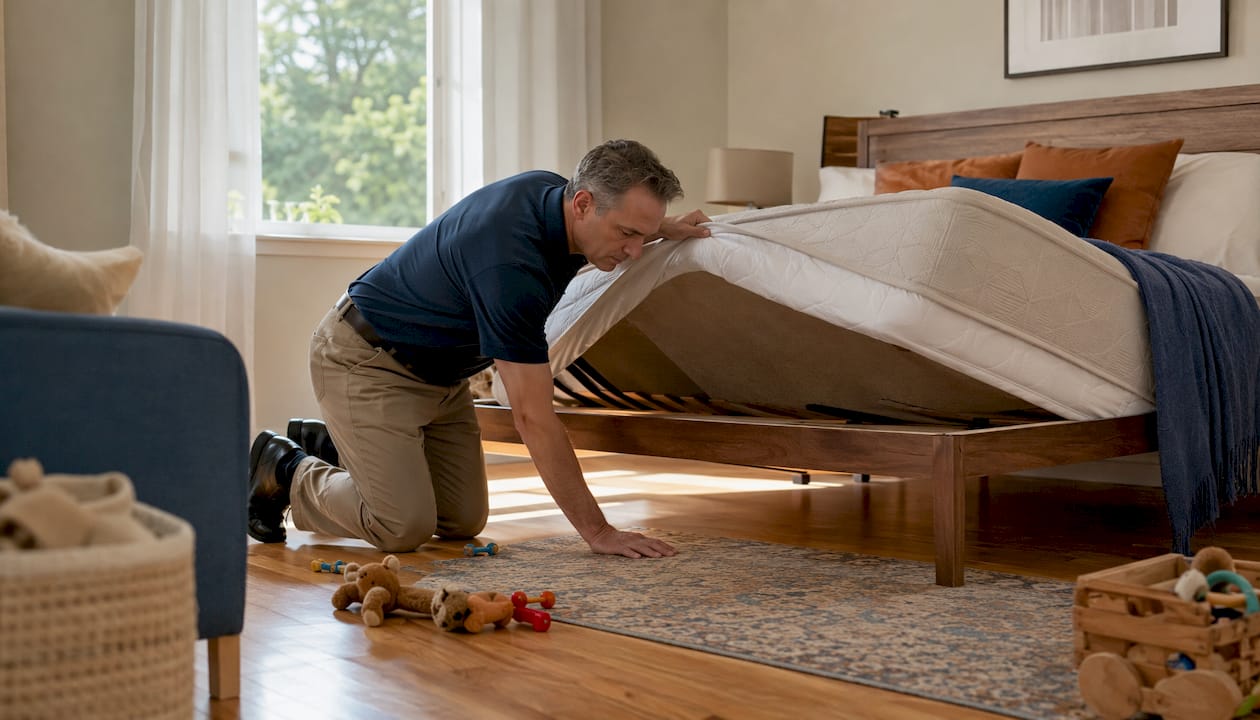
Proven techniques to fully eliminate odors before a showing
Surface cleaning rarely reaches the actual odor source. Enzyme-based cleaners break down the organic compounds causing the smell at a molecular level, which soap and water cannot do. For pet accidents, carpet stains, and drain buildup, enzyme cleaners are the right tool.
Deep cleaning priorities:
- Carpets, rugs, and upholstery cleaned with enzyme-based products, not standard detergents
- Curtains and drapes laundered or dry-cleaned, since fabric absorbs smoke and cooking odors heavily
- Pet areas scrubbed thoroughly, including floors, baseboards, and any bedding
- Kitchen drains and garbage disposals deodorized with enzymatic drain cleaner or citrus
- Trash cans washed out and lined with a baking soda sachet at the bottom
- Bathroom grout, caulk lines, and shower curtains scrubbed or replaced
Ventilation before and during prep:
Open windows in every room to create cross-ventilation. Run bathroom exhaust fans for at least 20 minutes before and after showers. Replace HVAC filters, since smoke and pet dander accumulate there and recirculate through the home with every cycle. A pre-showing odor elimination checklist that includes HVAC maintenance is one of the most overlooked steps sellers skip.
Targeting the hardest odors:
Cat urine is the most persistent residential odor. It permeates carpet padding and subfloor, and surface cleaning will not reach it. In severe cases, the carpet and padding must be removed and the subfloor treated or replaced before any enzyme product can finish the job. Cigarette smoke requires washing walls with a TSP-based cleaner, laundering all soft goods, and replacing HVAC filters. Musty basement odors need a dehumidifier running continuously, plus bleach-diluted wall treatment and moisture source identification.
Hospitality industry standard: A clean space should have no scent at all. Neutralize first. Add minimal natural scent only if necessary afterward.
Day-before and day-of routines:
The day before a showing, wash all bedding, take out every trash bag, run the dishwasher, and clean the garbage disposal. The morning of the showing, open windows for at least 30 minutes, run exhaust fans, and remove all pet evidence including food bowls, litter boxes, and beds. Skip fragrance entirely right before buyers arrive. Fresh air outperforms any spray.
Pro Tip: For tobacco smoke, pet urine embedded in subfloors, or mold-related odors that persist after deep cleaning, professional odor removal is the right call. Eco-friendly, enzyme-based professional treatments reach places DIY cleaning cannot, and they eliminate the odor permanently rather than suppressing it temporarily. Sellers preparing a home for the market can also benefit from white glove cleaning services that handle the full pre-showing prep.
How to use subtle scents to create a welcoming atmosphere
Once odors are fully eliminated, the goal is neutral. Not perfumed. Not aggressively “fresh.” Buyers should walk in and feel comfortable, not suspicious that something is being hidden.
Strong artificial scents from candles, plug-ins, and sprays backfire. Buyers recognize the cover-up attempt and assume the worst. The scent you want buyers to notice is the absence of a bad one.
What works and what does not:
- Fresh flowers in the kitchen or entryway add a light, natural scent without triggering suspicion
- A sprig of eucalyptus in the bathroom reads as clean and spa-like without being overpowering
- Lightly brewed coffee near showtime creates a warm, familiar atmosphere, though it should be subtle, not a full pot sitting on the counter
- Fragrant plants like lavender or rosemary on a windowsill work well in small doses
- Scented candles, plug-ins, and heavy sprays should be avoided entirely during showings, as buyers associate them with cover-ups
Timing matters. Apply any subtle scent enhancement shortly before buyers arrive, not hours in advance. A scent that has been diffusing all morning becomes cloying by afternoon. The less-is-more principle applies here more than anywhere else in home staging.
One thing worth knowing: the fragrances to avoid in real estate showings are not just the obviously strong ones. Even lavender or vanilla in high concentrations can trigger the same buyer suspicion as a plug-in. Keep it minimal. If a visitor cannot identify a specific scent but simply feels the home smells clean and pleasant, you have done it right.
When persistent odors call for a professional solution
Some odors will not respond to DIY methods, no matter how thorough. Subfloor cat urine, tobacco smoke baked into drywall, and mold-related basement smells often require professional-grade treatment to eliminate permanently.

Masterodorremoval specializes in exactly this situation: sellers who have tried everything and still cannot get the home to smell neutral before listing. The difference between Masterodorremoval and a standard cleaning service is the method. No ozone. No chlorine. No masking agents. The process uses eco-friendly, green-certified odor elimination that targets odor molecules at the source, leaving interiors genuinely neutral rather than temporarily suppressed.
Same-day and next-day availability means you are not waiting weeks before your listing goes live. Licensed professionals handle tobacco, pet, mildew, food, and smoke odors across homes, with results that hold up after buyers move in. For sellers who cannot afford to have a deal fall apart over a smell, that reliability matters.
Get a quote from Masterodorremoval’s odor removal specialists before your listing date and go into showings with confidence.
Key Takeaways
Eliminating odors before showings requires source removal and deep cleaning first; subtle scent enhancements only after the home smells genuinely neutral.
| Point | Details |
|---|---|
| Nose blindness is real | Ask your real estate agent for an honest smell test before listing — you cannot assess your own home objectively. |
| Enzyme cleaners are non-negotiable | Standard soap and water cannot break down pet urine or organic odors at the molecular level; enzyme-based products are required. |
| Masking agents backfire | Strong candles, plug-ins, and sprays signal cover-ups to buyers and often create more suspicion than the original odor. |
| Ventilation is your best day-of tool | Open windows for 30 minutes before showings, run exhaust fans, and skip all fragrance products on showing day. |
| Masterodorremoval for persistent odors | When tobacco, pet urine, or mold odors survive deep cleaning, Masterodorremoval’s eco-friendly professional treatment eliminates them permanently before listing. |
Recent Comments