
Luxury properties command premium value through impeccable presentation and guest experience. Yet persistent odors from hidden sources can subtly undermine both, often going unnoticed until they affect property appeal or trigger complaints. Recognizing early warning signs protects your investment and ensures every space delivers the refined atmosphere discerning guests expect. This guide reveals specific indicators of lingering odors in high-end homes and yachts, helping you identify problems before they escalate and understand when professional eco-friendly removal becomes essential.
Table of Contents
- Key takeaways
- How to identify signs of persistent odors in luxury properties
- Common persistent odors and their typical sources
- Professional eco-friendly odor removal methods for luxury properties
- Choosing the right professional odor removal service
- Enhance your property’s appeal with expert odor removal
- FAQ
Key Takeaways
| Point | Details |
|---|---|
| Hidden odor sources | Persistent odors often originate from unseen sources like mold behind cabinetry or smoke residues in ventilation systems, so address hidden areas before remediation. |
| Early warning signs | Look for odors that return after cleaning, concentrate near fixtures or vents, intensify with humidity, and show visual cues like water stains or discoloration that indicate a lurking problem. |
| Eco friendly removal | Choose environmentally safe methods that protect interior materials and occupant health while effectively neutralizing odors. |
| Tailored luxury solutions | Professional services can customize strategies for luxury homes and yachts by targeting specific sources, spaces, and guest expectations. |
| Timely action preserves value | Acting promptly helps maintain property value and ensures a refined guest experience. |
How to identify signs of persistent odors in luxury properties
Persistent odors rarely announce themselves dramatically. Instead, they build gradually through subtle cues that distinguish temporary smells from embedded problems requiring professional attention. Persistent odors often arise from hidden sources like mold growth behind cabinetry, smoke residue in ventilation systems, or plumbing leaks within walls. Recognizing these indicators early prevents deeper material damage and preserves the refined atmosphere luxury properties demand.
Common signs include lingering musty or smoky smells that return despite thorough cleaning and ventilation. If you notice odors intensifying when spaces remain closed or humidity rises, embedded sources likely exist within porous materials or concealed areas. Visual cues often accompany persistent smells: subtle discoloration on ceilings suggesting water intrusion, faint yellowing on walls indicating smoke residue, or small dark spots signaling mold colonization.
Key indicators to monitor:
- Odors that return within hours or days after cleaning
- Smells concentrated near specific fixtures, walls, or ventilation outlets
- Increased intensity during humid weather or after rain
- Guest comments about unusual scents despite your own acclimation
- Fabric and upholstery retaining odors even after professional cleaning
Pro Tip: Walk through your property after being away for several days. Fresh perspective helps you detect odors your daily exposure has normalized, revealing problems guests immediately notice.
Early detection through systematic inspection of vulnerable areas like bathrooms, basements, HVAC systems, and enclosed storage spaces prevents minor issues from requiring extensive treatment. Understanding these signs positions you to act decisively, protecting both property value and the exceptional experience your guests expect.
Common persistent odors and their typical sources
Different odor types carry distinct characteristics that reveal their origins, guiding accurate diagnosis and appropriate treatment selection. Recognizing these patterns helps you communicate effectively with specialists and understand the scope of remediation required.
Tobacco smoke creates one of the most stubborn odor challenges in luxury properties. Tar residue infiltrates paint and fabrics long after smoking ceases, creating a stale, acrid smell that intensifies in warm conditions. The microscopic particles penetrate drywall, upholstery, carpeting, and even wood finishes, making surface cleaning ineffective. Properties with smoking history often show subtle yellowing on walls and ceilings, particularly around ventilation areas where smoke concentrated.
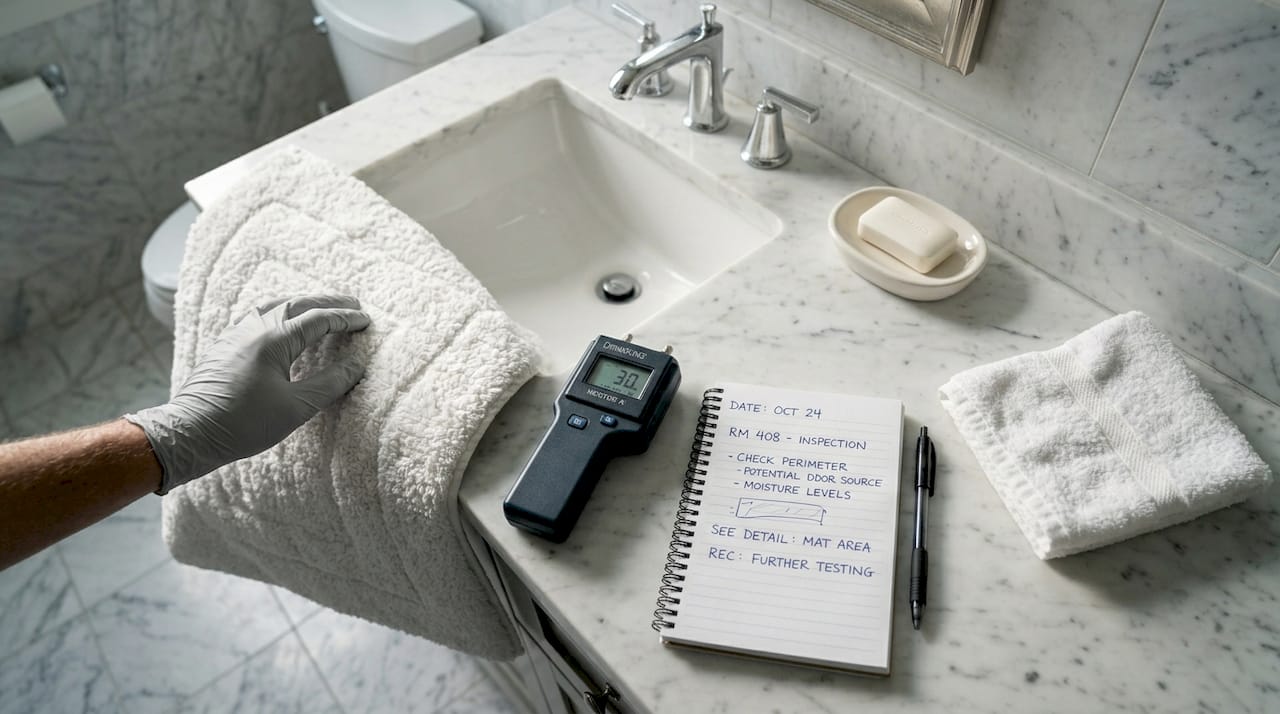
Mold and mildew odors signal moisture problems requiring immediate attention. These musty smells relate closely to moisture and can indicate health risks beyond mere unpleasantness. The earthy, damp scent typically concentrates near bathrooms, basements, or areas with poor ventilation. Visual inspection may reveal dark spots on grout, ceiling corners, or behind furniture, though mold often grows within wall cavities or under flooring where moisture accumulates unseen.
Pet odors persist through oils in animal fur and urine that penetrate subflooring and padding. The distinctive ammonia scent from urine becomes particularly noticeable in warm, humid conditions when bacteria break down uric acid crystals embedded in materials. Even after pet removal, these odors resurface because standard cleaning cannot reach the depth of penetration.
| Odor Type | Primary Source | Key Indicator | Common Location |
|---|---|---|---|
| Tobacco Smoke | Tar and nicotine residue | Stale, acrid smell | Walls, fabrics, ventilation |
| Mold/Mildew | Moisture and fungal growth | Earthy, musty scent | Bathrooms, basements, hidden cavities |
| Pet | Urine and dander | Ammonia or musky smell | Carpets, padding, subflooring |
| Plumbing | Leaks and water damage | Damp, sewage-like odor | Behind walls, under sinks, near drains |
Plumbing issues create damp odors hidden behind walls or under cabinetry. Slow leaks allow water to saturate insulation and drywall, fostering bacterial growth that produces unpleasant smells. These odors often accompany subtle signs like water stains, soft spots in flooring, or unexplained increases in water bills.
Understanding these distinct odor profiles allows you to pinpoint likely sources and select appropriate professional removal methods tailored to each challenge.
Professional eco-friendly odor removal methods for luxury properties
Selecting the right treatment approach protects valuable finishes while permanently eliminating embedded odors. Modern eco-friendly methods offer effective solutions without compromising indoor air quality or damaging delicate materials common in luxury properties.
Green certified direct chemical applications represent the gold standard for high-end interiors. These treatments use specialized formulations that break down odor molecules at the source without leaving harsh residues or requiring property evacuation. The process targets specific odor types through tailored chemistry, ensuring thorough elimination while protecting fabrics, leather, wood, and other premium materials. This method works particularly well for tobacco smoke, pet odors, and mold-related smells in enclosed spaces like yachts where ventilation limitations make other approaches impractical.
Ozone treatments offer powerful oxidation but require careful application. While effective for certain odor types, ozone can degrade rubber, leather, and some fabrics if overused. Properties must be completely evacuated during treatment, and the process requires precise timing to avoid material damage. For luxury interiors with valuable furnishings, the risks often outweigh benefits compared to direct chemical applications.
Key advantages of professional intervention:
- Accurate source identification through specialized diagnostic tools
- Access to commercial-grade treatments unavailable to consumers
- Comprehensive approach addressing both symptoms and underlying causes
- Protection of valuable materials through tested, safe methodologies
- Guaranteed results with follow-up service if odors return
| Treatment Method | Best For | Luxury Interior Safety | Evacuation Required |
|---|---|---|---|
| Green Certified Chemical | All odor types | Excellent | No |
| Ozone Treatment | Severe smoke damage | Moderate (risk to materials) | Yes |
| Thermal Fogging | Vehicle interiors | Good | Temporary |
| Enzymatic Treatment | Organic odors | Excellent | No |
Pro Tip: Request a detailed treatment plan before service begins. Qualified specialists assess your specific situation, explain methodology, and provide realistic timelines rather than offering one-size-fits-all solutions.
Professional services also address underlying moisture or ventilation issues that allow odors to develop, preventing recurrence. This comprehensive approach distinguishes expert treatment from DIY attempts that mask symptoms without resolving root causes. For properties where reputation and guest experience drive value, investing in proven eco-friendly technologies delivers superior long-term results.
Choosing the right professional odor removal service
Selecting a qualified specialist ensures your luxury property receives treatment that matches its value and your standards. Not all odor removal services understand the unique requirements of high-end homes and yachts, where protecting finishes and maintaining discretion matter as much as eliminating smells.
Verify green certifications and eco-friendly credentials. Request documentation proving treatments meet environmental safety standards and contain no harsh chemicals that could damage premium materials or compromise indoor air quality.
Confirm experience with luxury interiors. Specialists familiar with high-end properties understand how to protect delicate finishes, work around valuable furnishings, and maintain the discretion your guests expect.
Review verified testimonials and references. Look for feedback specifically mentioning property types similar to yours, noting comments about professionalism, results durability, and respect for property during service.
Understand methodology and guarantee policies. Reputable services explain their process clearly, provide realistic timelines, and stand behind results with satisfaction guarantees or follow-up treatments if needed.
Ensure comprehensive assessment and source removal. Effective treatment addresses underlying causes, not just symptoms. Ask how the service identifies odor sources and what steps prevent recurrence.
Evaluate responsiveness and scheduling flexibility. Luxury properties often require service around guest schedules or events. Choose providers offering same or next-day availability when urgent situations arise.
Confirm insurance and licensing. Protect yourself by working only with fully insured, licensed professionals who carry liability coverage for high-value properties.
Ask about inspection protocols. Quality services conduct thorough pre-treatment assessments identifying all potential odor sources, including hidden problems you may not have detected.
The right specialist becomes a trusted partner in maintaining your property’s appeal, offering proactive guidance on prevention and rapid response when issues emerge. This relationship proves particularly valuable for property managers overseeing multiple luxury residences or yacht owners requiring consistent service across locations.
Enhance your property’s appeal with expert odor removal
Maintaining the refined atmosphere your luxury property demands requires specialized expertise in persistent odor elimination. Master Odor Removal brings eco-conscious solutions specifically designed for high-end homes and yachts, protecting valuable interiors while permanently eliminating embedded smells that undermine guest experience.

Our certified specialists understand the unique challenges luxury properties face, from tobacco residue in historic estates to mold concerns in waterfront homes. We use green-certified treatments that eliminate odors at the molecular level without harsh chemicals or property evacuation. Each service includes comprehensive source identification, tailored treatment plans, and satisfaction guarantees ensuring your spaces maintain the exceptional standards your reputation demands. Our luxury interior expertise means we protect premium finishes while delivering results that enhance property value and guest satisfaction. Schedule a professional assessment to discover how targeted odor removal transforms your property’s appeal.
FAQ
How can I tell if an odor in my luxury home is persistent or temporary?
Persistent odors return repeatedly despite thorough cleaning and proper ventilation, often intensifying in closed or humid conditions. Temporary smells fade naturally within hours or disappear completely after airing out spaces. If you notice the same odor reappearing in specific areas or guests comment on smells you’ve grown accustomed to, you’re likely dealing with embedded sources requiring professional attention. Test by deep cleaning the affected area and monitoring for recurrence over several days.
What are the safest professional methods to remove odors in yachts and luxury properties?
Green certified direct chemical applications offer the safest, most effective approach for high-end interiors. These treatments break down odor molecules without harsh residues, require no evacuation, and protect delicate materials like leather, fine fabrics, and wood finishes. Unlike ozone machines that can damage premium materials and require property evacuation, eco-certified methods work safely around furnishings while delivering permanent results. Always verify that your chosen service uses treatments specifically tested and approved for luxury applications.
When should I call professional odor removal services instead of trying DIY?
Contact professional services when odors persist despite repeated cleaning efforts, when you observe visible mold or water damage, or when sources prove difficult to locate. DIY methods work for fresh, surface-level smells but cannot penetrate materials where smoke, pet urine, or mold have embedded deeply. If odors affect guest experience, property showings, or your own comfort, professional treatment provides faster, more reliable results than trial-and-error home remedies. Properties with valuable finishes benefit from expert care that eliminates risks of damage from improper treatment.
How can I maintain indoor air quality and prevent odors after professional removal?
Implement regular ventilation schedules opening windows daily when weather permits, and run HVAC systems with fresh air intake rather than pure recirculation. Control humidity between 30-50% using dehumidifiers in moisture-prone areas like basements and bathrooms. Conduct routine inspections for plumbing leaks, roof damage, or condensation issues that allow mold growth. Use eco-friendly cleaning products that don’t introduce harsh chemical odors, and address spills or pet accidents immediately before they penetrate subflooring. Schedule annual professional assessments to catch developing problems before they become noticeable.
Recent Comments