
TL;DR:
- Eco-safe auto interior cleaning uses non-toxic, biodegradable agents to improve health and protect sensitive surfaces. It eliminates harmful chemicals and synthetic fragrances commonly found in conventional cleaners, reducing allergen load and chemical exposure in vehicle cabins. Proper technique and certified eco-friendly products ensure effective, safe cleaning, while professional odor treatments target persistent indoor contaminants.
What makes eco-safe auto interior cleaning worth switching to?
Eco-safe auto interior cleaning means using non-toxic, biodegradable agents and methods to clean your vehicle’s cabin without releasing harmful chemicals into the air you breathe. The core difference from conventional detailing is simple: no synthetic fragrances, no harsh solvents, no volatile organic compounds (VOCs) off-gassing in an enclosed space.
The health case is real. Fragrance allergy affects 2–11% of the general population, and a car cabin amplifies every chemical you spray inside it. Dust, pollen, mold spores, and skin oil residue accumulate on every surface, circulating through your HVAC and triggering allergies or respiratory irritation with every drive.
Eco-safe methods address all of that without the tradeoff. Products carrying certifications like EPA Safer Choice or EcoCert have been independently verified for ingredient safety and environmental compliance. They clean effectively, they biodegrade, and they leave no toxic residue on your leather, plastic, or fabric surfaces.
Key reasons to make the switch:
- Reduced VOC exposure in a confined cabin environment
- Lower allergen load from dust, mold, and pollen buildup
- No synthetic fragrances that trigger headaches or nausea
- Biodegradable formulas that don’t contaminate waterways
- Compatibility with delicate surfaces like touchscreens and premium leather
1. Harmful chemicals hiding in conventional car interior cleaners
Most conventional car interior sprays contain a short list of ingredients that cause real problems, especially inside a sealed vehicle.
- Butoxyethanol: A solvent that irritates the lungs and liver with repeated exposure
- Ammonia and isopropyl alcohol: Release sharp fumes that sting eyes and throat; ammonia also degrades leather over time
- Quaternary ammonium compounds (“quats”): Linked to asthma and skin sensitization
- Formaldehyde-releasing preservatives: Common shelf-life extenders that are known respiratory irritants
- Phthalates: Hidden in synthetic fragrances to extend scent longevity; associated with endocrine disruption
Stat to know: VOCs and synthetic fragrances in conventional cleaners can cause headaches, nausea, and respiratory distress, particularly inside vehicles where air circulation is limited.
Beyond health, the chemistry itself damages your car. Household cleaners are generally incompatible with automotive interiors because their pH is wrong for leather, vinyl, and touchscreen coatings. An alkaline all-purpose spray that works fine on your kitchen counter can fade dashboard plastics or leave a tacky film on a leather seat within a few uses.
2. How eco-friendly cleaning agents actually work
The best green car cleaning products don’t just swap out bad ingredients for less-bad ones. They use a fundamentally different mechanism.
Enzyme-based cleaners are the standout technology here. Enzyme cleaners catalyze the breakdown of organic soils, specifically proteins, starches, and everyday oils, by cutting the molecular bonds that make those soils stick. The result is a surface that wipes clean without scrubbing and dries film-free, with no alkaline residue attracting new dust.
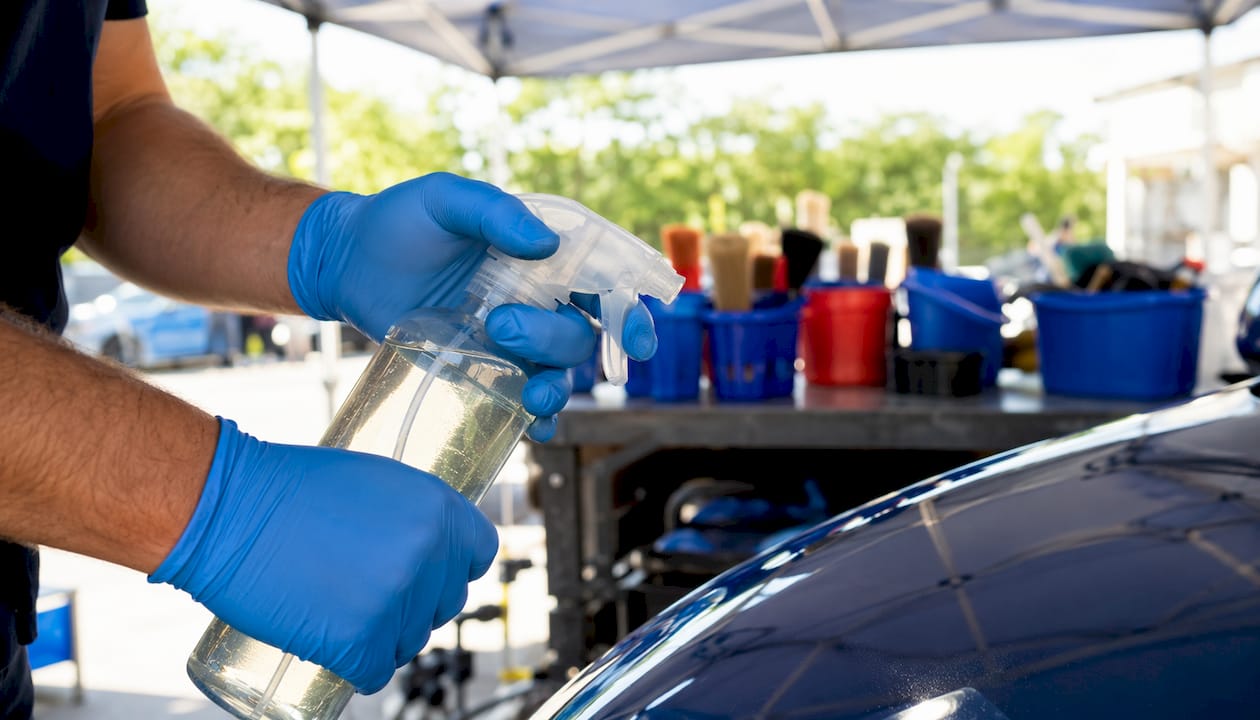
Plant-based biodegradable surfactants lift dirt and emulsify oils without the harsh pH extremes of conventional degreasers. They rinse clean and break down in the environment rather than persisting in waterways.
pH-neutral formulas matter most for delicate surfaces. Screens, leatherette, and soft-touch plastics all respond poorly to acidic or alkaline cleaners. A neutral-pH enzyme system cleans them without dulling the finish or degrading the coating.
- Enzyme cleaners: break down organic soils at the molecular level
- Plant-based surfactants: lift and emulsify without extreme pH
- pH-neutral formulas: safe for screens, leather, and soft-touch trim
- EcoCert and EPA Safer Choice certified fragrances: derived from essential oils, not synthetic compounds
- Film-free finish: no residue that attracts dust or leaves a greasy sheen
Pro Tip: Look for “neutral pH” and “enzyme-based” on the label together. Enzyme activity drops sharply in high-alkaline or acidic environments, so a product that claims enzymes but has an aggressive pH is likely not delivering the benefit.
3. Step-by-step guide to cleaning your car interior safely
Good technique matters as much as good products. Here’s how to do it right.
Before you start:
- Vacuum all surfaces first: floors, seats, cup holders, and every crevice
- Spot test any new cleaner on a hidden area before full application, even natural formulas
- Gather multiple clean microfiber cloths, one per surface zone
Application:
- Always spray the cleaner onto the cloth, never directly onto the surface
- Never spray directly on screens; liquid ingress can damage infotainment displays permanently
- Let the product dwell for 30–60 seconds on dashboards and door panels before wiping
Surface-by-surface:
- Dashboards and hard trim: Mist onto microfiber, wipe, then buff with a dry cloth
- Leather seats: Test first, then apply sparingly and wipe with a soft cloth; avoid soaking seams
- Fabric upholstery: Spray onto fabric, let sit, scrub gently with a soft brush, wipe clean
- Carpets: Vacuum thoroughly, then treat stains with a diluted enzyme solution and blot dry
- Electronic screens: Cloth-only application, light pressure, no circular scrubbing
Pro Tip: Rotate microfiber cloths by surface zone. Using one cloth for the dashboard, a fresh one for seats, and another for carpets prevents you from smearing skin oils and grime from one area onto a clean surface.
Frequency: A light wipe-down every two weeks keeps allergen buildup in check. Deep cleaning every 2–3 months handles embedded soils and odors. Regular eco-friendly cleaning combined with good ventilation measurably reduces allergen accumulation inside the cabin.
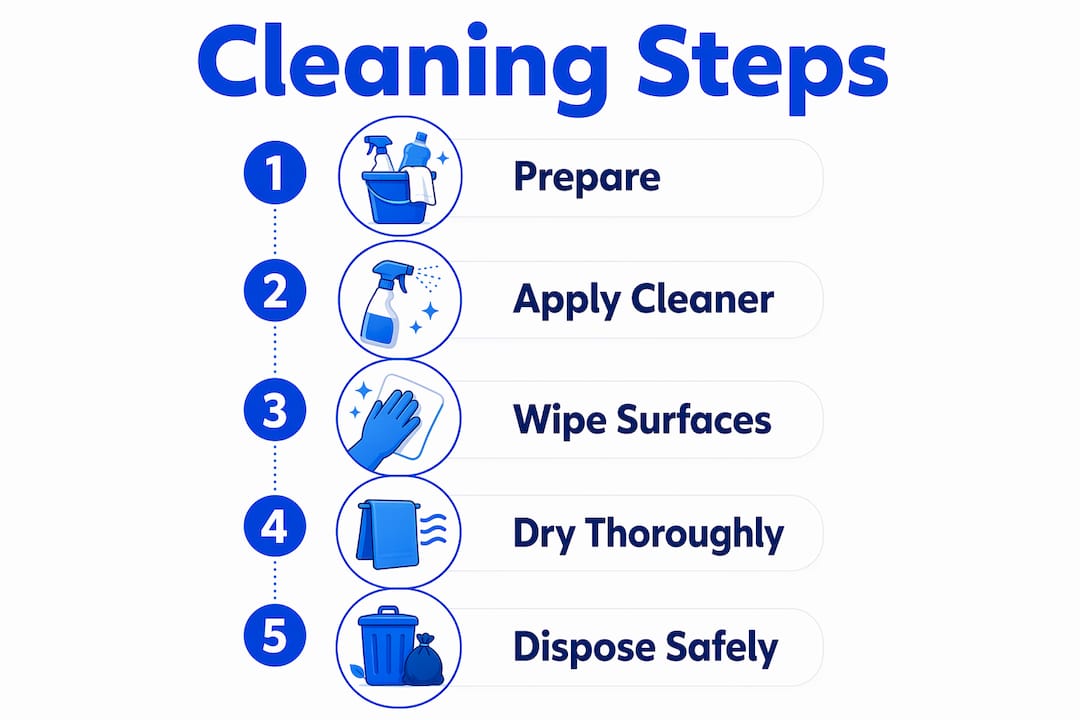
Storage and disposal: Store eco-safe cleaners below 104°F, away from direct sunlight, and keep containers sealed. Most plant-based formulas are safe for drain disposal in small quantities, but check the product label for local guidelines.
4. Choosing products and professional services for odor removal
Selecting the right product starts with reading past the marketing copy. Three things to verify before buying:
- Ingredient transparency: full ingredient lists, not just “plant-based formula”
- Certifications: EPA Safer Choice, EcoCert, or Made Safe Certified are independently verified
- Fragrance disclosure: “fragrance-free” or natural-origin fragrance components only
Certified eco-friendly products carrying EPA Safer Choice or EcoCert have passed third-party ingredient safety reviews. That’s a meaningful bar, not just a label.
For odors that DIY cleaning can’t reach, professional service is the right call. Tobacco, marijuana, pet, and mildew odors penetrate seat foam, carpet backing, and HVAC systems in ways that surface cleaning alone won’t fix. Masterodorremoval specializes in permanent, non-toxic odor elimination for vehicle interiors, using green-certified methods that avoid ozone and chlorine treatments entirely. Their approach targets the odor source rather than masking it with fragrance.
Worth knowing: Ozone treatments, still common in the industry, can degrade rubber seals and plastic trim with repeated use. Chlorine-based treatments leave residues. Neither is necessary when enzyme-based and plant-powered methods are applied correctly.
Combine professional odor removal with your regular DIY maintenance for the best long-term result. A professional treatment periodically, depending on usage, paired with bi-weekly surface cleaning, keeps the cabin genuinely fresh rather than just temporarily masked. Understanding vehicle interior air contaminants helps you decide when a professional treatment is warranted versus when a good enzyme cleaner will handle the job.
The green cleaning principles that drive commercial eco-cleaning apply directly to vehicle interiors: prioritize ingredient transparency, avoid unnecessary disinfectants, and choose biodegradable formulas that don’t trade one hazard for another.
5. DIY recipes for eco-safe cleaning solutions
You don’t need specialty products for routine maintenance. These four recipes cover every major interior surface.
All-purpose dashboard and door panel spray
Mix 1 cup distilled water, 1 tablespoon white vinegar, and 1 tablespoon olive or jojoba oil in a glass spray bottle. Add 2 drops of pure essential oil (sweet orange or rosemary work well) if you want a light natural scent. Spray onto a microfiber cloth and wipe. It lifts dust, restores a soft matte finish, and won’t crack or dry out vinyl.
Fabric seat and upholstery cleaner
Combine 1 cup distilled water, 1 tablespoon unscented castile soap, and 1 teaspoon white vinegar. Apply to fabric with a soft brush, let sit for two minutes, then blot with a clean cloth. Use distilled water specifically to avoid mineral rings on light-colored upholstery.
Carpet deodorizer
Sprinkle dry baking soda generously over carpets and floor mats. Let it sit for 15–20 minutes to absorb odors, then vacuum thoroughly. For stains, follow with the fabric cleaner above.
Glass and window cleaner
Dilute white vinegar with distilled water at a 2-to-1 ratio (two parts water, one part vinegar) in a spray bottle. Spray onto a microfiber cloth and wipe windows in straight strokes. Water spots may need a slightly stronger vinegar concentration and a longer dwell time.
Pro Tip: Always use distilled water in DIY interior sprays. Tap water minerals leave white residue on dark dashboards and fabric, which defeats the purpose of cleaning.
Key Takeaways
Eco-safe auto interior cleaning protects your health and your car’s surfaces by replacing harsh solvents and synthetic fragrances with biodegradable, enzyme-based, and pH-neutral formulas.
| Point | Details |
|---|---|
| Fragrance allergy is common | Fragrance allergy affects 2–11% of the population, making synthetic-fragrance-free cleaners a health priority. |
| Enzyme cleaners outperform brute force | Enzyme-based formulas break down proteins, starches, and oils at the molecular level without harsh pH extremes. |
| Technique matters as much as product | Always spray onto the cloth, never directly on screens or dashboards, and rotate cloths by surface zone. |
| Certifications are your shortcut | EPA Safer Choice and EcoCert labels indicate independent ingredient safety verification. |
| Professional treatment handles what DIY can’t | Odors embedded in seat foam and HVAC systems need professional eco-safe removal, not just surface cleaning. |
Recent Comments