
TL;DR:
- Odor transfer in vehicles occurs mainly through airborne dispersion and surface absorption, both happening quickly and difficult to reverse.
- Porous materials and high temperatures increase odor retention, making contamination persistent and harder to eliminate.
Odor transfer between vehicles is defined as the movement of volatile scent compounds from one vehicle’s interior environment to another, contaminating surfaces, textiles, and air systems in the process. This happens more often than most car owners realize. A passenger who smokes in their own car can leave detectable residue in yours after a single ride. A pet carrier, a bag of takeout, or a damp gym bag can seed your upholstery with odors that linger for weeks. The challenge is not just the smell itself. It is the way scent molecules bind to porous materials, making interior scent contamination one of the most persistent problems in vehicle ownership.
How does odor transfer occur between vehicles?
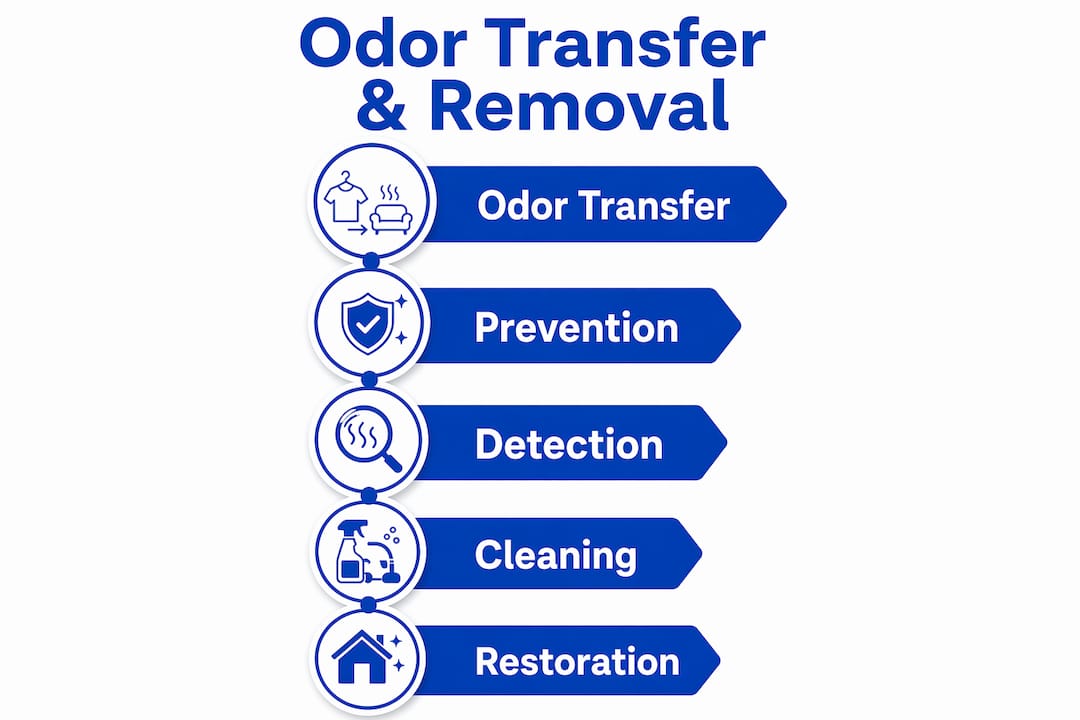
Odor transfer in automotive contexts follows two main pathways: airborne dispersion and surface absorption. Both happen fast, and both are harder to reverse than most owners expect.
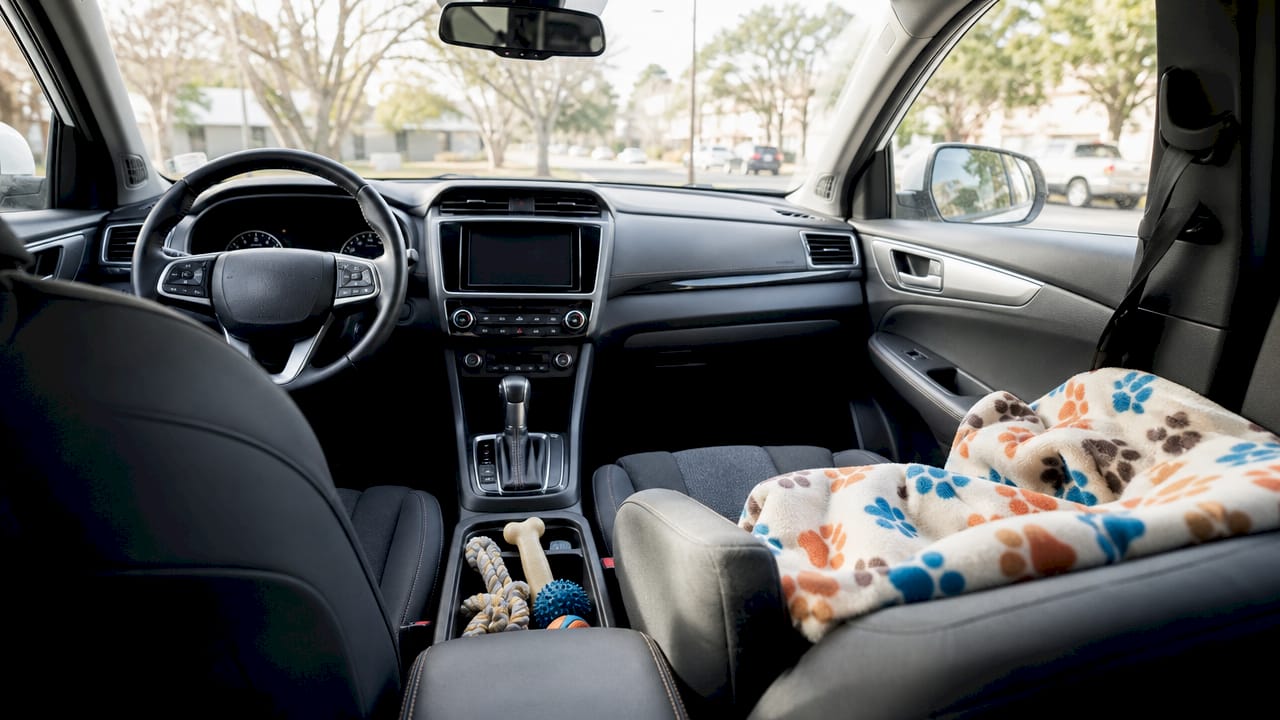
Airborne pathways move scent molecules through ventilation systems, open doors, and shared cabin air. When you open your car door next to a vehicle running its engine with a strong interior odor, you pull that air into your cabin. The HVAC system then circulates it through your ducts, depositing particles on the evaporator coil and filter. Heat accelerates this process significantly. Heat increases volatility of both fragrances and trapped malodors, which means a warm car interior amplifies whatever scent is already present. This is why odors always seem worse on a hot summer afternoon than on a cool morning.
Surface absorption is the slower and more damaging pathway. Seat fabrics, foam padding, carpet fibers, and headliner material all act as sponges. They pull volatile compounds out of the air and hold them. Research shows that fabric type directly affects how much residue a surface retains. Cotton and faux leather absorb significantly more contaminants than polyester or neoprene. That means a cloth-seat vehicle is far more vulnerable to car odor transfer than one with synthetic or leather seating.
The role of humidity compounds the problem further. Moisture swells textile fibers, opening them up to deeper penetration by odor molecules. A damp car interior after rain or a spill creates ideal conditions for odors to embed themselves at a structural level.
Pro Tip: Switch your HVAC to recirculation mode when driving behind vehicles with visible exhaust or when parked near odor sources. This cuts off the primary airborne pathway before contamination begins.
- Ventilation systems distribute odor particles throughout the entire cabin within minutes
- Porous materials like carpet and seat foam retain odor molecules long after the source is gone
- High temperatures increase odor volatility, intensifying smells already present in the interior
- Humidity opens textile fibers, allowing deeper odor penetration and longer retention
Which odors are most likely to transfer between vehicles and why?
Not all odors behave the same way. Some dissipate quickly. Others chemically alter the surfaces they contact, making the transfer of smells between vehicles a permanent problem.
Tobacco and marijuana smoke sit at the top of the persistence scale. Smoke particles are ultrafine and carry dozens of chemical compounds that bond aggressively to soft surfaces. Smoke residue remains in upholstery and air-conditioning units well after ventilation, which is why simply airing out a car does not work. Pet odors rank second. Animal dander and urine contain proteins and ammonia compounds that penetrate foam and carpet backing. Food odors, particularly from fried or fermented items, leave behind fatty residue that traps additional odor molecules over time.
Mildew and mold odors are a separate category. These are biological in origin, meaning they grow and intensify rather than fade. A single wet floor mat left in a closed car over a weekend can seed the entire interior with mildew spores.
Some odorants go further than surface contamination. Certain compounds bind irreversibly to interior plastics and textiles, creating what scent researchers call “ghost fragrances.” These are odors that persist even after professional cleaning because the molecule has chemically altered the material itself. Ghost fragrances complicate resale and make achieving a truly neutral interior almost impossible without component replacement.
- Tobacco and marijuana smoke: ultrafine particles bond to every porous surface and resist ventilation
- Pet dander and urine: protein-based compounds penetrate foam and carpet backing deeply
- Food residue: fatty deposits trap additional odor molecules, compounding the problem over time
- Mildew: biological growth that intensifies in closed, humid environments
- Chemical spills: solvents and cleaners can alter plastic and fabric chemistry permanently
How can you prevent odor transfer when transporting items or passengers?
Prevention is always cheaper and faster than remediation. The goal is to stop odor molecules from reaching your vehicle’s porous surfaces in the first place.
- Seal odorous cargo in airtight containers. Airtight containment is the single most effective preventative measure. A sealed bag or hard-sided container stops volatile compounds from escaping into your cabin air. This applies to food, pet supplies, gym gear, and any chemical products.
- Use removable floor mats and seat covers. Washable covers create a sacrificial barrier between odor sources and your permanent upholstery. After transporting a pet or a strong-smelling passenger, you remove and wash the cover rather than treating the seat itself.
- Ventilate before and after transport. Open all doors for several minutes before driving to flush stale air. After transporting anything odorous, repeat the process and let the interior dry completely before closing the car.
- Replace cabin air filters on schedule. A clogged filter becomes an odor reservoir. Most manufacturers recommend replacement every 12,000–15,000 miles, but if you frequently transport odorous cargo, replace it more often.
- Clean HVAC vents and drain lines regularly. Blocked drains and damp evaporator areas cause musty odors that spread through the entire ventilation system. Keeping these clear prevents mildew from establishing itself in your air system.
Pro Tip: After transporting a pet or smoker, run your HVAC on fresh air mode at maximum fan speed for 10 minutes before closing the car. This flushes residual airborne particles before they settle on surfaces.
What effective methods exist for removing transferred odors from vehicle interiors?
When prevention fails, the right removal method depends on the odor type and how deeply it has penetrated the interior.
Enzyme-based cleaners for organic odors
Enzyme-based cleaners are the professional standard for organic odors including pet waste, food, and biological spills. These products work by breaking down the molecular structure of the odor source rather than masking it. A masking agent covers the smell temporarily. An enzyme cleaner eliminates the compound that produces it. For tobacco smoke residue and similar deep contamination, enzyme treatment is applied to fabric, carpet, and foam, then allowed to dwell before extraction.
HVAC system cleaning
The ventilation system is the most overlooked source of persistent vehicle odors. Odor molecules collect on the evaporator coil, in ductwork, and on the cabin air filter. Cleaning the evaporator with an antimicrobial spray and replacing the filter removes the reservoir that keeps reintroducing smells into the cabin. This step is non-negotiable for any serious odor remediation.
Activated charcoal and passive absorbers
Activated charcoal handles mild residual odors effectively but is too passive for heavy contamination. Place charcoal bags in the footwells and trunk after a professional cleaning to maintain freshness. Do not rely on charcoal as a primary treatment for smoke or pet odors.
When ozone treatment applies
Ozone treatment can neutralize persistent odors under controlled conditions, but it is a supplemental step, not a standalone solution. Ozone is not appropriate for allergy-sensitive occupants and requires the vehicle to be unoccupied during treatment. Masterodorremoval avoids ozone and chlorine treatments entirely, relying instead on enzyme-based and eco-friendly methods that are safe for all occupants.
DIY versus professional remediation
| Situation | Recommended approach |
|---|---|
| Light food or coffee odor | DIY enzyme spray plus ventilation |
| Pet odor after single transport | DIY enzyme cleaner plus washable cover removal |
| Smoke odor from regular exposure | Professional extraction and HVAC cleaning |
| Ghost fragrance or permanent binding | Professional evaluation and possible component replacement |
| Mildew from water intrusion | Professional remediation with moisture source repair |
Professional smoke odor removal typically costs $400–$800, reflecting the multi-step process of extraction, enzyme treatment, and HVAC cleaning. That cost is justified when the alternative is a vehicle that cannot be sold or used comfortably.
Why some odors are permanent, and what to do when removal fails
Some odors cross a threshold where standard cleaning cannot reach them. This happens when volatile compounds chemically alter the material they contact rather than simply coating its surface. The result is a ghost fragrance: a smell that returns even after thorough cleaning because the odor is now part of the material itself.
Permanent ghost fragrances directly affect resale value and daily comfort. A car that smells of smoke even after professional treatment will sell for less and attract fewer buyers. Modern automotive design is exploring scent architecture as a feature, but permanent contamination makes achieving a neutral baseline nearly impossible without replacing affected components.
When removal fails, these are the realistic options:
- Component replacement: Removing and replacing heavily contaminated seat foam, carpet padding, or headliner material eliminates the odor source entirely. This is expensive but permanent.
- Professional evaluation: A licensed technician can identify which materials have crossed the chemical binding threshold and recommend targeted replacement versus continued treatment.
- Avoid masking agents: Air fresheners mask odors but do not remove sources. Layering fragrance over a ghost fragrance creates a nauseating combination, especially in heat.
- Accept limitations of standard cleaning: Enzyme cleaners and HVAC treatments are highly effective for surface-level and moderate contamination. They cannot reverse chemical bonding at the material level.
The key signal that you have crossed into permanent contamination territory is odor that returns within days of a thorough professional cleaning. At that point, material replacement is the only path to a genuinely neutral interior.
Key Takeaways
Preventing and eliminating odor transfer between vehicles requires addressing both the source and the material, because surface-level treatments cannot reverse chemical bonding in contaminated fabrics and plastics.
| Point | Details |
|---|---|
| Airborne and surface pathways | Odors enter through ventilation systems and absorb into porous materials within minutes of exposure. |
| Fabric type determines risk | Cotton and faux leather retain significantly more odor residue than polyester or neoprene seating. |
| Airtight containment prevents transfer | Sealing odorous cargo before transport is the single most effective preventative step. |
| Enzyme cleaners outperform masking | Enzyme-based treatments break down odor molecules; air fresheners only cover them temporarily. |
| Ghost fragrances require replacement | When odor compounds bind permanently to materials, component replacement is the only lasting fix. |
What I have learned from years of treating vehicle odors
The mistake I see most often is owners treating the symptom instead of the source. They buy a vent clip, spray some fabric freshener, and call it done. Three days later the smell is back, stronger than before, because heat has volatilized the trapped compounds again. The freshener is now competing with the original odor, and the combination is worse than either alone.
The second mistake is waiting. Every week a contaminated interior sits untreated, the odor compounds penetrate deeper into foam and backing materials. A problem that costs a few hundred dollars to fix in week one can require full seat replacement by month three.
What actually works is a layered approach: identify the source, seal or remove it, treat the affected surfaces with an enzyme cleaner, clean the HVAC system, and then use passive absorbers to maintain the result. The vehicle odor neutralization process is sequential, not simultaneous. Skipping steps is why most DIY attempts fail.
My honest recommendation: if the odor returns within a week of a thorough cleaning, stop spending money on consumer products and call a professional. The cost of professional remediation is almost always less than the resale value you lose by leaving the problem unresolved.
— Master
Professional odor remediation from Masterodorremoval
Masterodorremoval specializes in permanent interior odor elimination for vehicles, using enzyme-based treatments and green-certified methods that are safe for all occupants. The team addresses tobacco, pet, mildew, and chemical odors without ozone or chlorine, delivering results that hold up over time.

If you have tried consumer products and the smell keeps returning, the contamination has likely reached a level that requires professional extraction and HVAC treatment. Masterodorremoval offers same or next-day service with a satisfaction guarantee. Visit the odor removal specialists page to book an appointment, or explore the full range of commercial odor removal services for fleet and dealership needs.
FAQ
What causes odor transfer between vehicles?
Odor transfer occurs when volatile scent compounds move through shared air, ventilation systems, or porous materials from one vehicle interior to another. Smoke, pet dander, and food residue are the most common sources.
Can opening windows remove transferred car odors?
Open windows and ventilation alone are insufficient for removing deep contaminants. Research shows that contaminants persist on soft surfaces even after eight weeks of active venting.
How do I know if an odor is permanent?
An odor that returns within days of a thorough professional cleaning has likely bonded chemically to the material. At that point, component replacement is more effective than continued treatment.
Are enzyme cleaners better than ozone for vehicle odors?
Enzyme cleaners break down the biological compounds that produce odors, making them the preferred method for organic contamination. Ozone is a supplemental tool and is not suitable for allergy-sensitive occupants or as a standalone treatment.
How much does professional vehicle odor removal cost?
Professional smoke odor removal typically costs $400–$800, depending on the extent of contamination and whether HVAC cleaning or component replacement is needed.
Recent Comments