
Smoke odors present a persistent challenge in luxury properties, penetrating delicate fabrics, fine woods, and porous surfaces that define high-end interiors. Traditional harsh chemicals or unsafe ozone treatments risk damaging valuable materials and compromising occupant health. This comprehensive guide reveals eco-friendly, scientifically proven methods to permanently eliminate smoke smell while protecting your luxury investment. You’ll discover safe hydroxyl treatments, natural phytoremediation techniques, and maintenance strategies that restore pristine air quality without sacrificing aesthetics or sustainability.
Table of Contents
- Key takeaways
- Understanding the problem: why smoke smell lingers in luxury properties
- Preparing for smoke odor removal: tools, materials, and safety considerations
- Step-by-step eco-friendly smoke smell elimination process
- Maintaining a smoke-free luxury space with sustainable practices
- Eco-friendly professional odor removal services for luxury properties
- Frequently asked questions
Key Takeaways
| Point | Details |
|---|---|
| Multi step treatment | Permanent odor removal requires cleaning, deodorizing, and ongoing maintenance across fabrics, woods, and surfaces. |
| Hydroxyl over ozone | Hydroxyl generators provide safe effective odor treatment for occupied luxury spaces, avoiding the health risks and material damage linked to ozone. |
| Phytoremediation plants | Phytoremediation using specific plants can sustainably reduce VOCs and particulates as part of a broader air cleanup. |
| Purifiers support cleanup | Combining HEPA and activated carbon purifiers with professional cleaning enhances ongoing air quality between deep treatments. |
| Professional tailored solutions | Engaging professional services offers tailored strategies that respect the property’s finishes, occupants, and luxury standards. |
Understanding the problem: why smoke smell lingers in luxury properties
Smoke particles and volatile organic compounds penetrate deeply into porous materials common in luxury homes. Upholstery, fine fabrics, hardwoods, and even drywall absorb these compounds, creating persistent odor sources that resist surface cleaning. The molecular structure of smoke allows it to bond chemically with organic materials, making simple ventilation or air fresheners ineffective.
Smoke penetrates porous surfaces requiring thorough soot removal before any deodorizing treatment can succeed. Protein fires create particularly challenging residues that demand specialized attention. While ozone treatment works rapidly on protein-based odors, it generates harmful ultrafine particle byproducts that pose health risks in occupied spaces.
Humid environments actually enhance hydroxyl radical treatment effectiveness by providing moisture that accelerates oxidation reactions. This makes eco-friendly hydroxyl technology ideal for coastal luxury properties or humid climates where traditional methods struggle.
Luxury materials demand gentle approaches. Harsh chemicals can discolor silk draperies, damage fine leather, or strip protective finishes from antique woods. The challenge lies in achieving complete tobacco smoke residue removal without compromising the integrity of valuable surfaces.
Key factors that make smoke odor particularly stubborn:
- Microscopic particles lodge deep within fabric weaves and wood grain
- VOCs chemically bond to organic materials rather than sitting on surfaces
- HVAC systems circulate contaminated air, spreading odors throughout properties
- Humidity and temperature fluctuations release trapped odor compounds over time
- Layered materials in luxury furnishings create multiple absorption zones
Preparing for smoke odor removal: tools, materials, and safety considerations
Successful smoke smell elimination requires specific equipment and eco-friendly products designed for luxury settings. Proper preparation protects both your health and valuable property finishes while ensuring treatment effectiveness.
Essential equipment and supplies:
- HEPA air purifiers with activated carbon filters for continuous VOC and particulate removal
- Hydroxyl generator units rated for your square footage
- Eco-friendly enzymatic cleaners safe for delicate surfaces
- Microfiber cloths and soft-bristle brushes for gentle cleaning
- VOC-absorbing plants like Cordyline fruticosa and Epipremnum aureum
- MERV 11-13 HVAC filters for system-wide air quality improvement
- Odor-blocking primers for sealing treated surfaces if needed
Personal protective equipment remains important even with eco-friendly products. Wear nitrile gloves when handling cleaning solutions, and use N95 masks during soot removal to avoid inhaling fine particles. Ensure adequate ventilation throughout the cleaning process.
Avoid ozone generators unless addressing specific protein fire scenarios, and only when spaces can be completely vacated. Ozone creates health hazards and can damage rubber, plastics, and certain fabrics common in luxury interiors. Hydroxyl technology offers comparable effectiveness without these risks.
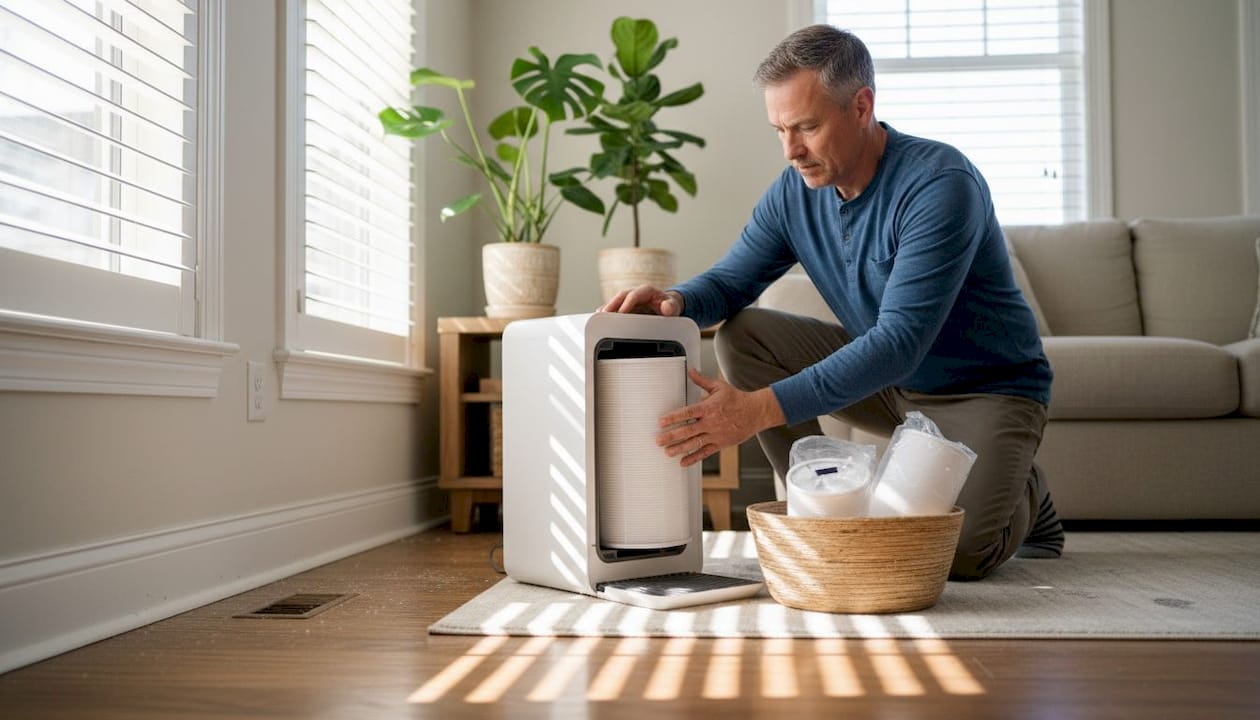
HEPA and activated carbon purifiers reduce PM2.5 by 65% while absorbing volatile organic compounds. Monthly filter replacement maintains optimal performance, preventing saturated filters from releasing captured pollutants back into your air.
| Tool/Material | Primary Function | Safety Profile | Typical Usage Duration |
|---|---|---|---|
| Hydroxyl Generator | VOC oxidation and odor neutralization | Safe around occupants, pets, plants | 3-7 days continuous |
| HEPA+Carbon Purifier | Particle and VOC filtration | Completely safe, no byproducts | Ongoing with monthly filter changes |
| Enzymatic Cleaners | Surface residue breakdown | Non-toxic, biodegradable formulas | Per manufacturer directions |
| VOC-Absorbing Plants | Natural biofilter and air purification | Safe, decorative, sustainable | Permanent installation |
| MERV 11-13 Filters | HVAC system protection | Standard safety, no concerns | Replace every 3 months |
Pro Tip: Change air purifier filters monthly during active treatment and for three months after to capture residual VOCs released from materials as they off-gas. This prevents recontamination and accelerates the complete elimination process.
Before starting treatment, document current conditions with photos and notes about odor intensity in different rooms. This baseline helps you track progress and identify areas needing additional attention. Consider professional assessment for move-in move-out odor cleaning in properties with severe smoke damage.
Step-by-step eco-friendly smoke smell elimination process
Permanent smoke odor removal follows a systematic approach that addresses surface contamination, airborne particles, and embedded VOCs. Each step builds on the previous one to ensure complete elimination.
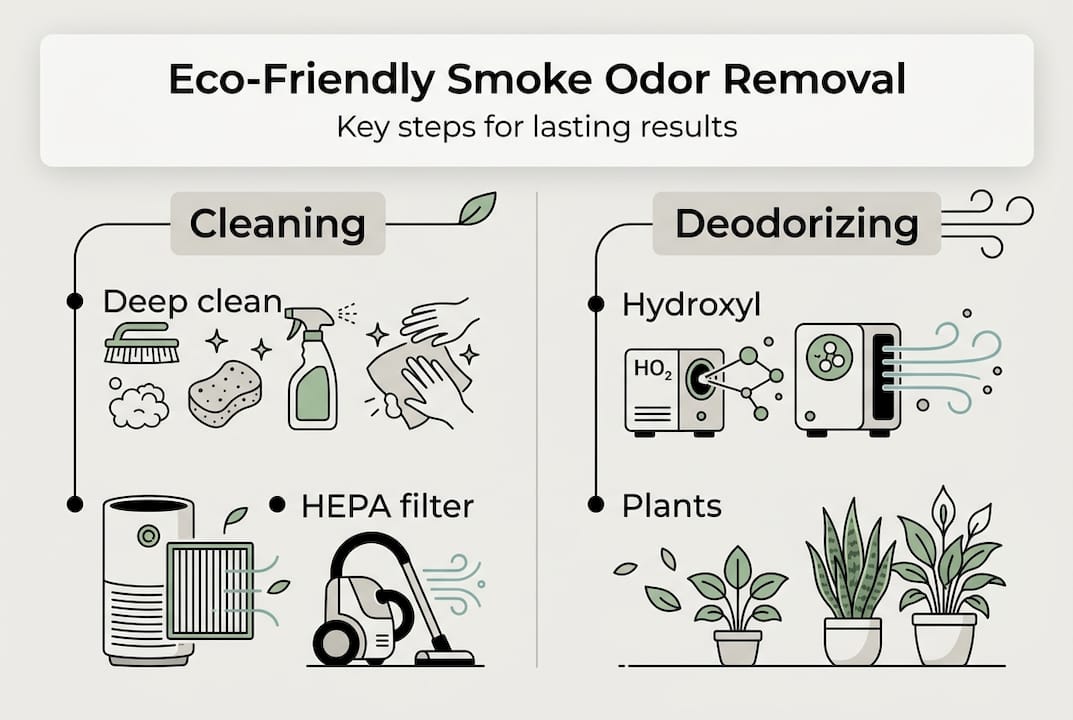
Deep clean all surfaces to remove soot and smoke residues. Start with ceilings and work downward, using eco-friendly enzymatic cleaners on walls, floors, and hard surfaces. Gently clean upholstery and fabrics with appropriate solutions, testing in inconspicuous areas first. Pay special attention to textured surfaces where particles accumulate.
Clean and upgrade your HVAC system completely. Replace standard filters with MERV 11-13 rated versions that capture smoke particles. Have ductwork professionally cleaned to remove accumulated residue. Install HEPA air purifiers with activated carbon filters in main living areas and bedrooms for continuous air treatment.
Deploy hydroxyl generator treatment for comprehensive VOC elimination. Hydroxyl generators mimic natural processes to break down smoke compounds safely in occupied spaces. Position units according to manufacturer specifications, typically running 3-7 days depending on contamination severity and room volume. Unlike ozone, you can remain in treated areas safely.
Seal porous surfaces with odor-blocking primers if deep cleaning reveals persistent absorption. This step prevents residual VOCs from migrating back through walls or wood surfaces. Use low-VOC primers compatible with luxury finishes to maintain aesthetic standards.
Establish phytoremediation systems using proven VOC-absorbing plants. Position Cordyline fruticosa, Syngonium podophyllum, and Epipremnum aureum strategically throughout your property. These species function as living biofilters, continuously removing airborne compounds while enhancing interior design.
| Treatment Method | Safety for Occupants | Effectiveness on VOCs | Material Compatibility | Treatment Time | Ongoing Maintenance |
|---|---|---|---|---|---|
| Hydroxyl Generator | Safe during treatment, no evacuation needed | High, breaks down compounds at molecular level | Safe for all luxury materials | 3-7 days | None after treatment |
| Ozone Generator | Requires complete evacuation, health hazards | Very high, rapid oxidation | Can damage rubber, plastics, fabrics | 24-48 hours | None after treatment |
Pro Tip: Customize hydroxyl treatment duration based on specific conditions. Larger rooms, heavy smoke exposure, or dense furnishings require longer treatment periods. Monitor odor levels daily and extend treatment if needed rather than repeating the entire process.
The smoke odor removal process succeeds when you address all contamination sources simultaneously. Surface cleaning alone leaves VOCs embedded in materials, while air treatment without cleaning simply masks odors temporarily. The integrated approach ensures permanent results.
Document your progress throughout treatment. Take air quality readings if possible, and note improvements in odor intensity. This information helps you optimize treatment duration and identify any remaining problem areas requiring targeted attention.
Maintaining a smoke-free luxury space with sustainable practices
Permanent smoke elimination requires ongoing maintenance to prevent odor recurrence and maintain pristine air quality. Sustainable practices protect your investment while supporting environmental responsibility.
Phytoremediation offers the most elegant long-term solution. Certain plants remove 81.7-87.5% of VOCs and fully absorb particulate matter, functioning as natural air purifiers. Cordyline fruticosa excels at formaldehyde removal, while Syngonium podophyllum targets benzene and toluene. Epipremnum aureum provides broad-spectrum VOC absorption with minimal care requirements.
Position these plants in areas with highest air circulation for maximum effectiveness. Group multiple plants together to create biofilter zones that process larger air volumes. Maintain healthy plants through proper watering and occasional fertilization, as stressed plants lose purification capacity.
Air purifier maintenance directly impacts long-term air quality. Replace HEPA filters according to manufacturer schedules, typically every six to twelve months depending on usage. Activated carbon filters saturate faster, requiring replacement every three to six months. Neglecting filter changes allows captured pollutants to release back into your air.
Schedule HVAC inspections twice yearly to prevent odor buildup in ductwork and mechanical components. Professional cleaning removes accumulated dust and residues that can harbor odor compounds. Upgrade to smart thermostats with air quality monitoring to track conditions and optimize system performance.
Practical maintenance strategies:
- Monitor humidity levels between 30-50% to prevent mold growth while supporting plant health
- Eliminate new smoke sources completely, including third-hand smoke on clothing
- Deep clean soft furnishings seasonally to remove accumulated particles
- Vacuum weekly with HEPA-equipped units to capture settled particulates
- Refresh wall paint every few years with low-VOC formulas to seal any residual absorption
- Test air quality annually to verify continued effectiveness of your maintenance program
Pro Tip: Integrate plants into your interior design scheme rather than treating them as afterthoughts. Work with designers to select decorative containers and positioning that enhances aesthetics while maximizing air purification. This approach combines functional air quality improvement with luxury visual appeal.
Consider professional periodic treatments for maintaining smoke-free luxury homes, especially after hosting events or seasonal deep cleaning. Expert services can identify emerging issues before they become noticeable and provide targeted treatments that preserve your initial investment in odor elimination.
Eco-friendly professional odor removal services for luxury properties
While comprehensive DIY approaches work for many situations, permanent smoke odor elimination in luxury properties often benefits from professional expertise. Complex architectural features, valuable materials, and severe contamination require specialized knowledge and equipment.

Professional services combine hydroxyl treatment technology with customized cleaning protocols designed for high-end interiors. Experienced technicians understand how smoke interacts with different luxury materials and adjust treatment intensity accordingly. They protect delicate finishes while ensuring complete odor elimination.
Expert assessment identifies hidden contamination sources that homeowners often miss. HVAC systems, wall cavities, and subflooring can harbor smoke residues that continue releasing odors long after surface cleaning. Professional-grade equipment accesses these areas safely and effectively.
Phytoremediation consulting helps you select and position plants for optimal air purification while maintaining design cohesion. Specialists recommend species based on your specific VOC profile, lighting conditions, and maintenance preferences. This ensures your natural biofilter system performs effectively long-term.
Discover expert odor removal services that prioritize eco-friendly methods and luxury property protection. Professional odor removal specialists bring years of experience treating high-end residences, understanding the unique challenges luxury materials present. Their approach combines scientific rigor with respect for your investment.
Contact luxury interior odor removal experts for a custom assessment and quote. Professional treatment delivers peace of mind, guaranteed results, and protection for valuable finishes that DIY methods might compromise.
Frequently asked questions
How long does it typically take to eliminate smoke smell using eco-friendly methods?
Typical hydroxyl treatment requires 3-7 days of continuous operation depending on space size and smoke contamination intensity. Larger rooms or severe exposure need extended treatment periods. Complete elimination including cleaning and setup generally takes 10-14 days from start to finish.
Are hydroxyl generators safe for use around pets and delicate materials?
Yes, hydroxyl generators are completely safe around people, pets, plants, and high-end materials during operation. They mimic natural atmospheric oxidation processes without producing harmful byproducts. You can remain in treated spaces throughout the process, unlike ozone treatment which requires evacuation.
What plants are best for ongoing smoke odor natural removal?
Cordyline fruticosa, Syngonium podophyllum, and Epipremnum aureum provide exceptional VOC removal in luxury settings. These species absorb up to 87.5% of total volatile organic compounds and nearly all particulate matter. They require minimal maintenance while offering attractive foliage that complements high-end interior design.
Why is ozone treatment less favored for luxury occupied spaces?
Ozone produces harmful ultrafine particles and poses respiratory health risks to occupants. It can damage rubber seals, certain plastics, and delicate fabrics common in luxury furnishings. Hydroxyl treatment provides comparable effectiveness with superior safety and material compatibility, making it the preferred choice for occupied high-end properties.
Recent Comments