
by Alex | Jun 25, 2026 | Master Odor Removal
TL;DR: Document indoor odors with detailed logs and formal notices to meet legal repair obligations. Landlords are required to investigate and repair odors related to mold, sewage, or smoke infiltration under habitability laws. Renter complaints about indoor odors are... 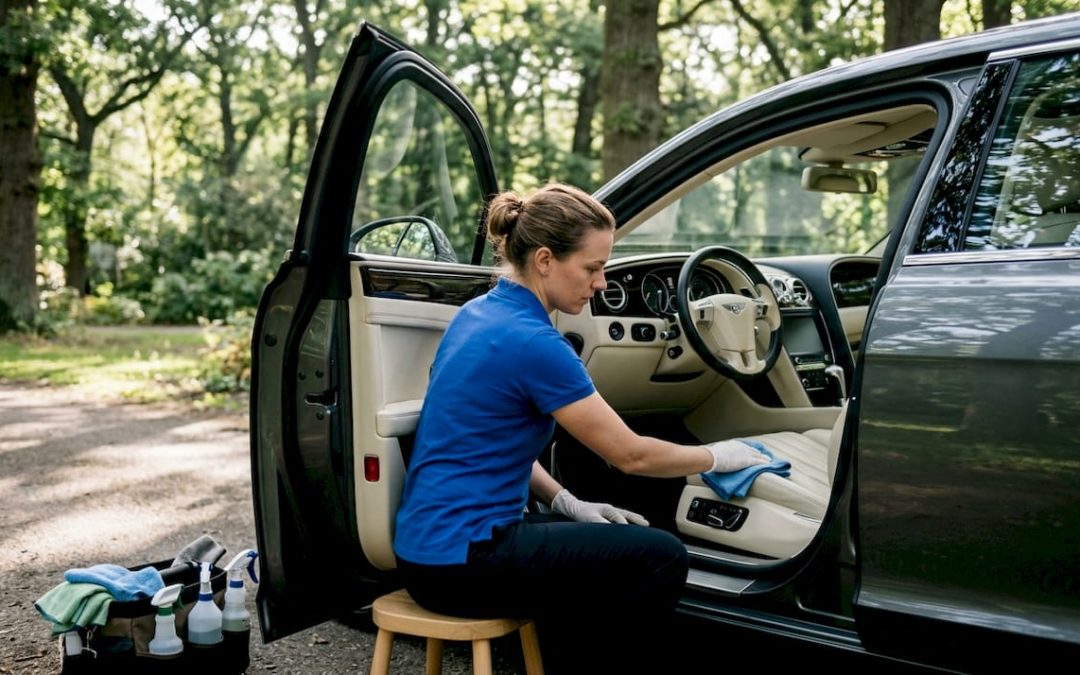
by Alex | Jun 24, 2026 | Master Odor Removal
TL;DR: Cleaning luxury vehicle interiors requires using material-specific, pH-neutral cleaners to prevent damage to delicate surfaces. A structured top-to-bottom workflow and regular maintenance protect bespoke materials and keep the cabin looking factory-new.... 
by Alex | Jun 23, 2026 | Master Odor Removal
TL;DR: Car odors worsen in heat because high temperatures cause odor molecules to evaporate faster and spread more easily. This intensifies odors from plastics, adhesives, and mold, which are trapped inside porous materials and reactivated by heat. Effective removal... 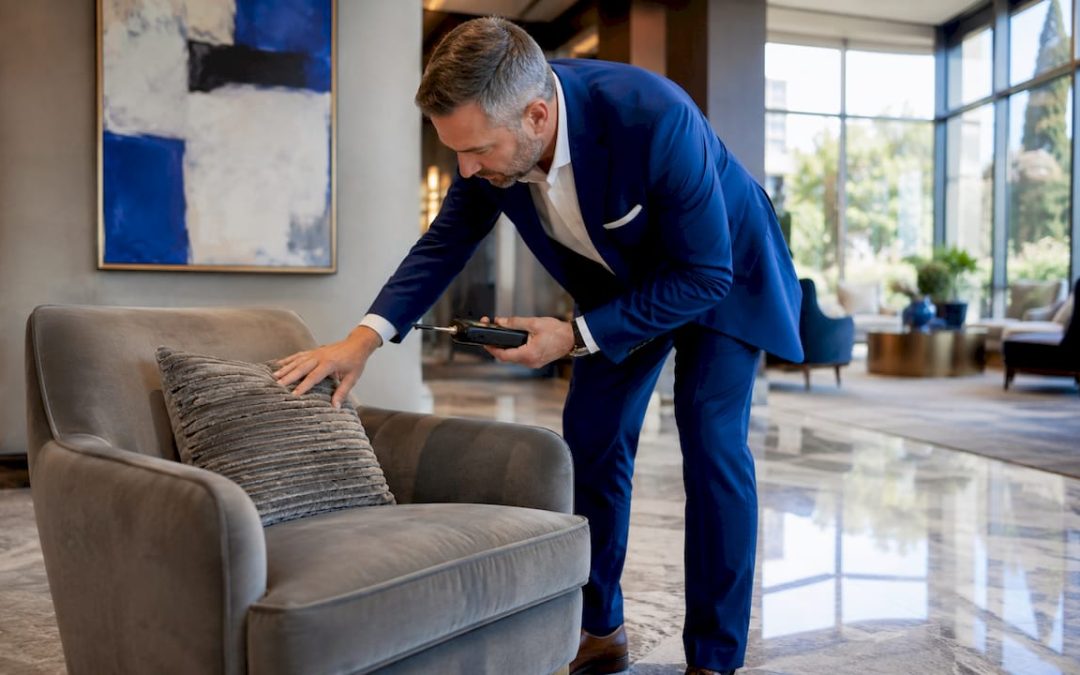
by Alex | Jun 22, 2026 | Master Odor Removal
TL;DR: Upscale odor control involves a multi-layered system targeting sources, surfaces, and air quality to permanently eliminate odors. Ventilation and masking agents are ineffective due to odor compounds’ ability to adsorb onto surfaces and re-emission over time.... 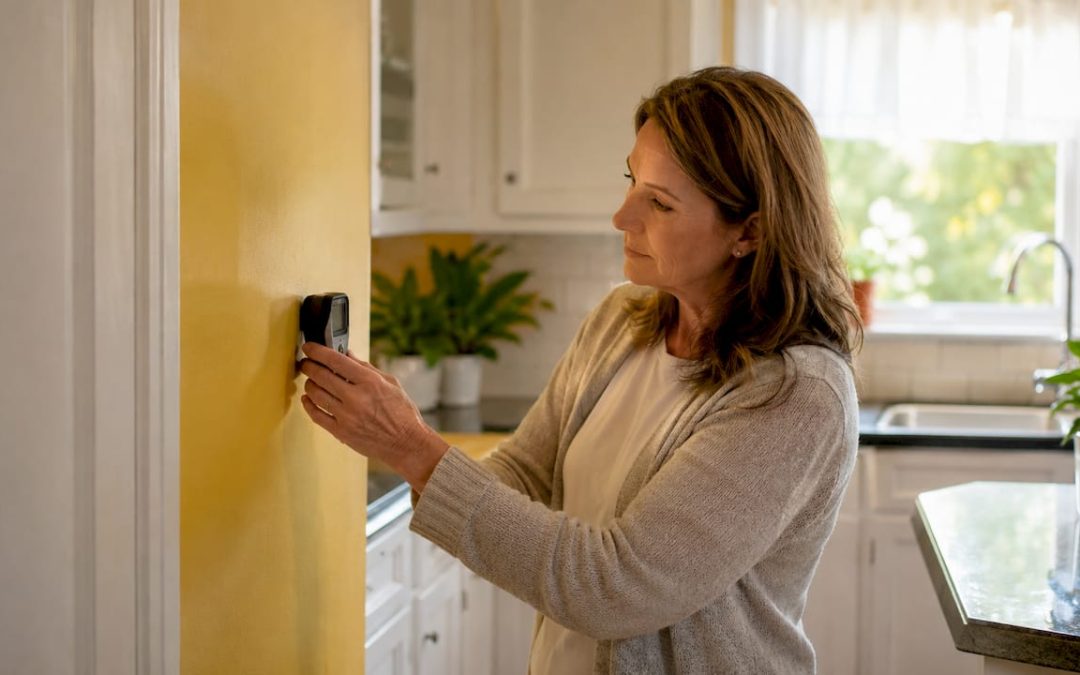
by Alex | Jun 20, 2026 | Master Odor Removal
TL;DR: Tobacco odor in walls results from thirdhand smoke residues that bond chemically with porous surfaces and off-gas over years. Ventilation and cleaning alone do not eliminate these embedded compounds, which require thorough removal, sealing, and professional...
Recent Comments