
TL;DR:
- Odors significantly impact guest perception, reviews, and occupancy in luxury rentals.
- Professional, tailored odor removal methods are essential for effectively managing persistent and severe odors.
- Ongoing maintenance and preventive strategies are vital to keep properties odor-free year-round.
Luxury rentals live and die by guest perception. A pristine interior, high-thread-count linens, and designer finishes can all be undone the moment a guest walks through the door and catches an unwelcome smell. Odors are one of the most underrated drivers of negative reviews, repeat bookings, and occupancy rates in upscale hospitality. Unlike scuffed furniture or a slow drain, a bad smell is invisible, pervasive, and deeply psychological. Understanding how smell affects guest satisfaction is the first step in protecting your property’s reputation and revenue.
Table of Contents
- How odors impact luxury rentals and hospitality
- The five top odors that can cost you luxury guests
- Side-by-side comparison: Odor types, sources, and remediation difficulty
- How to eliminate top odors: Advanced and eco-friendly solutions
- Proactive prevention: Keeping properties odor-free year round
- Our take: The inconvenient truth about odor management in luxury rentals
- Need help with stubborn odors? Trust the experts
- Frequently asked questions
Key Takeaways
| Point | Details |
|---|---|
| Odors ruin guest experiences | Lingering odors quickly erode luxury reputation, leading to negative reviews and lost bookings. |
| Five main culprits | Smoke, cooking, mildew, pet, and musty odors are responsible for most guest complaints in high-end rentals. |
| Prevention is essential | Consistent maintenance routines and air quality control stop issues before they cost you revenue. |
| Eco-friendly methods work | Modern green solutions rival chemicals for effectiveness and safety in occupied luxury spaces. |
| Professional help pays off | Specialist services save time and guarantee odor-free interiors between bookings. |
How odors impact luxury rentals and hospitality
Odor control is not just housekeeping. In luxury property management, it’s a core part of the guest experience and brand promise. Guests paying a premium price expect a premium environment, and that expectation extends to what they can smell, even if they never consciously think about it. A single off-putting odor can trigger a one-star review that overshadows otherwise perfect accommodations.
The mechanics of odor migration make the problem worse than most managers realize. Odors migrate between units due to pressure differentials and stack effects in luxury multifamily buildings, meaning a problem in one suite can quickly affect neighboring units. Air ducts, shared corridors, and elevator shafts all act as highways for smell. High-traffic areas accumulate odor molecules in carpet fibers, upholstery, and wall paint over time. During seasonal transitions, especially when HVAC systems switch from heating to cooling, dormant odors resurface suddenly and intensely.
Recognizing the signs of persistent odors early keeps small problems from becoming costly complaints. The most common guest complaint triggers include:
- Tobacco and smoke: Often embeds in walls, soft furnishings, and HVAC returns
- Food and cooking odors: Concentrated in kitchens but spreads rapidly through ventilation
- Mildew and mold: Triggered by humidity, especially in bathrooms and basements
- Pet odors: Persistent in carpets, upholstery, and subfloor materials
- Musty or stale air: Often signals poor airflow or aging insulation
“Balanced HVAC filtration is not optional in luxury settings. It’s the frontline defense against cross-contamination of odors between occupied spaces. Without it, even aggressive remediation will not hold.”
Seasonal changeovers and high-turnover periods intensify multifamily odor complaint spikes because HVAC systems are working harder and redistributing accumulated odors throughout the building. The solution starts with understanding each odor type in detail.
The five top odors that can cost you luxury guests
Now that you know why odor matters, let’s identify the most critical culprits.
Smoke and tobacco: Smoke is arguably the hardest odor to eliminate. It penetrates drywall, woodwork, HVAC ducts, and fabric at a molecular level. Smoke odors embed deeply in surfaces and HVAC systems, requiring specialized neutralization treatments. A single smoking guest can cause problems that last for weeks if not properly addressed.
Cooking and food odors: Curry, fish, and heavy spices leave oily residue on range hoods and cabinet interiors. These odors can migrate through ventilation and create an unpleasant first impression before a guest even reaches the kitchen.
Mildew and mold: Bathrooms, grout lines, and under-sink areas are prime zones. Mildew smells signal poor moisture control and often trigger health concerns in guests, leading to immediate escalation.
Pet odors: Even one stay with an undisclosed pet can deposit odor-causing proteins into carpet padding and subflooring. Surface cleaning rarely reaches deep enough to neutralize them.
Musty or unknown odors: These are often the result of aging building materials, stagnant air, or hidden moisture. Guests describe them as “old” or “damp” and associate them with poor maintenance.
Studies suggest that up to 70% of guest complaints involve some form of lingering smell, making odor the single most cited environmental issue in short-term luxury rentals. Focusing on preventing odor issues before they occur is far less costly than reacting to them after a negative review.
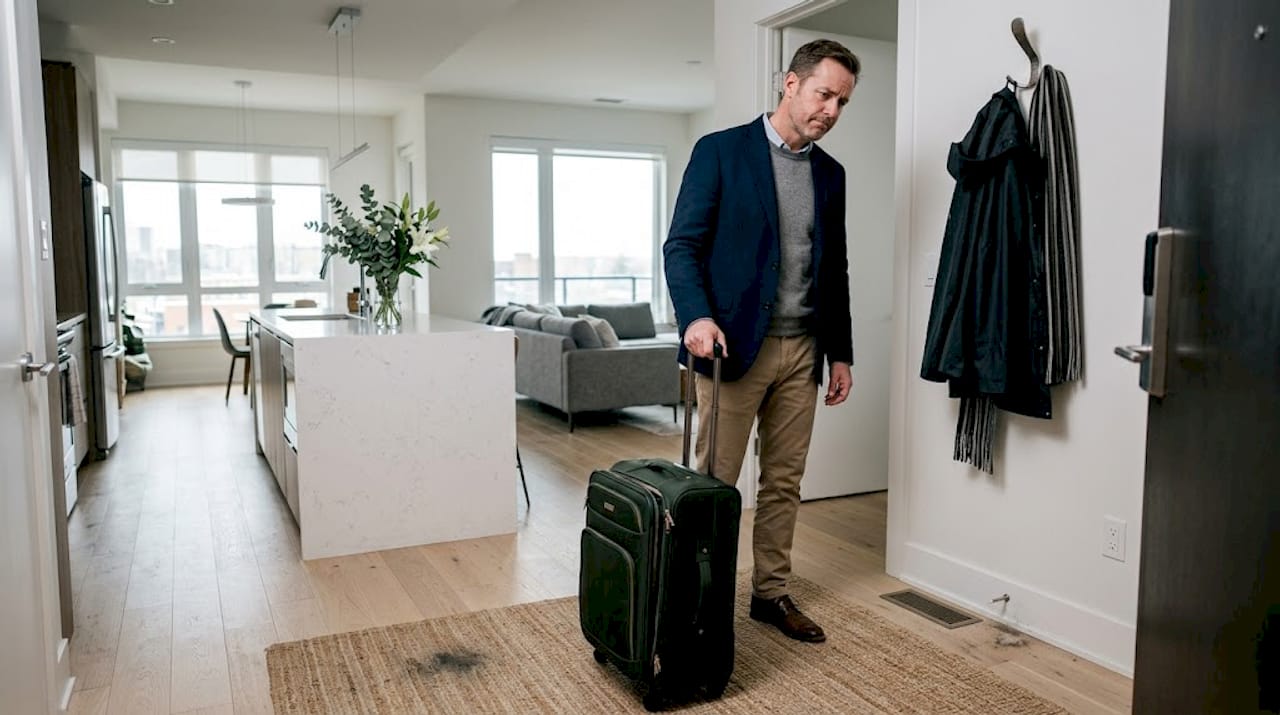
Pro Tip: Always check closets, drapery, and HVAC return vents first. These are the three most overlooked odor reservoirs in luxury interiors, and they’re the spots guests rarely see but always smell.
Understanding odor removal guarantees and what professional service providers actually commit to can help you set the right expectations with guests and ownership stakeholders.
Side-by-side comparison: Odor types, sources, and remediation difficulty
Let’s put these odors head-to-head for fast prioritization.
| Odor type | Likely locations | Complaint rate | Time to remediate | Complexity |
|---|---|---|---|---|
| Smoke/tobacco | Walls, HVAC, fabric | High | 1 to 3 days | Very high |
| Cooking/food | Kitchen, vents | Moderate | 4 to 8 hours | Moderate |
| Mildew/mold | Bath, subfloor | High | 1 to 2 days | High |
| Pet | Carpet, upholstery | High | 1 to 2 days | High |
| Musty/unknown | Closets, HVAC, walls | Moderate | 4 to 12 hours | Moderate |
This table helps prioritize your response. Smoke, mildew, and pet odors consistently rank as the highest complexity issues and deserve immediate professional attention rather than DIY attempts. Cooking odors are more manageable but require thorough ventilation cleaning, not just surface wipes.
A luxury odor protocol that follows a sequential process (deep clean, HEPA filtration, surface sealing, VOC verification) is the industry standard for properties where perceived quality is non-negotiable.
For high-turnover situations, the table above also guides resource allocation. Pet and mildew issues in carpeted areas should automatically trigger carpet extraction and padding inspection, not just a spray-down. Smoke issues should trigger HVAC duct inspection every time without exception.
Exploring eco-friendly odor solutions that align with sustainability goals is increasingly important for luxury brands that market themselves on green credentials. Guests notice, and they care.
How to eliminate top odors: Advanced and eco-friendly solutions
So, how do you actually solve these odor problems while guests are still in-house or between bookings?
The leading professional methods include:
- Hydroxyl generators: Safe for occupied spaces, effective against smoke and pet odors
- Enzymatic treatments: Break down organic compounds at the source, ideal for pet and food odors
- Zinc ricinoleate and beta-cyclodextrin neutralizers: Molecular odor trapping, gentle and eco-friendly
- HEPA deep cleaning with fogging: Reaches into HVAC, drapery, and soft furnishings
- Surface sealing: Locks in residual odor molecules in porous materials like drywall
| Method | Safe when occupied | Best for | Typical timeframe |
|---|---|---|---|
| Hydroxyl generator | Yes | Smoke, pet, mold | 4 to 24 hours |
| Enzymatic treatment | Yes | Pet, food, organic | 2 to 8 hours |
| Eco-neutralizer fog | Yes | Multi-odor, general | 1 to 4 hours |
| Ozone shock | No (vacant only) | Severe smoke, mold | 2 to 6 hours |
| Surface sealant | Yes | Smoke, musty | 1 to 3 hours |
Eco-friendly methods like zinc ricinoleate, beta-cyclodextrin, and enzymatic treatments are highly effective and preferred in luxury settings where chemical exposure is a liability concern.
Pro Tip: For stubborn, multi-source odor problems, combining methods produces far better results than any single treatment. Use an enzymatic cleaner first to break down the organic source, follow with hydroxyl generation for airborne molecules, then apply an eco-neutralizer fog for surface residue.
The one critical pitfall: never use ozone treatment in an occupied property. Ozone at effective concentrations is hazardous to respiratory health and can damage delicate finishes, electronics, and artwork commonly found in luxury interiors.
Proactive prevention: Keeping properties odor-free year round
Elimination is vital, but ongoing prevention ensures every guest walks into a pristine environment.
Building odor prevention into your routine maintenance calendar reduces emergency remediation costs significantly. Practical steps include:
- HVAC filter changes every 30 to 60 days in high-occupancy properties
- Quarterly deep cleans of upholstery, carpets, drapery, and soft furnishings
- Monthly humidity monitoring in bathrooms and basement-level spaces
- Periodic scent assessments by a professional nose, not just a walk-through sniff
- Sealing and repainting high-odor zones between long-term tenant cycles
HVAC filter changes and custom fragrance branding are essential for maintaining pristine luxury environments and create a consistent identity across a property portfolio.
Custom scent marketing is one of the most underused tools in luxury hospitality. Major hotel brands have spent millions developing signature scents because they know that guests associate a specific smell with a quality experience. That same principle applies to high-end rentals. A subtle, consistent fragrance in lobbies and common areas creates a subconscious positive impression and differentiates your property from competitors.
Pro Tip: Schedule a professional odor assessment at the start of each major season, especially spring when humidity rises and fall when heating systems reactivate dormant smells. Integrating this into your property’s standard maintenance cycle prevents surprises during peak booking windows.
For properties undergoing tenant transitions, incorporating odor checks into your move-in/out cleaning tips protocol prevents the carry-over of odors from one occupancy to the next.
Our take: The inconvenient truth about odor management in luxury rentals
Here’s what we see consistently: most odor crises in luxury rentals are not caused by a single catastrophic event. They build slowly, invisibly, layer by layer, until a guest or broker walks in and immediately knows something is wrong. Property managers often underestimate how quickly odors spread and how deeply they anchor into luxury finishes, which are frequently porous by design.
The industry tends to reach for one-size-fits-all solutions, a spray here, an air freshener there, because they’re fast and cheap. They rarely work. What actually delivers outstanding results is combining professional-grade methods, customized to the specific odor type and substrate, with a consistent prevention routine.
High-end guests and luxury real estate brokers notice far more than just “clean.” They notice a signature, intentional scent that tells them the space is cared for at a premium level. That’s a branding decision, not a cleaning one.
One more thing worth saying plainly: not all eco-friendly products perform equally. Some are genuinely effective. Others are marketed with green language but lack the molecular chemistry to neutralize anything beyond a light surface odor. Always verify active vs passive odor removal methods before committing to a vendor.
Need help with stubborn odors? Trust the experts
For property managers who want guaranteed, guest-ready results, professional help may be the smartest investment.
At Master Odor Removal, we work specifically with luxury rentals, hotels, and hospitality venues that cannot afford guest complaints or repeat issues. Our licensed professionals use green-certified, ozone-free treatments with same or next-day availability, so your property is guest-ready on your schedule. Whether you need targeted spot treatment or a full-property protocol, our odor removal specialists are equipped to deliver measurable, lasting results. Explore our eco-friendly odor removal solutions or learn why property managers trust us as their luxury odor removal specialists for high-stakes environments.
Frequently asked questions
Which odor is most likely to drive guests away in a luxury rental?
Smoke and musty/mildew odors are the top dealbreakers, as they signal neglect and are challenging to eliminate without professional help. Smoke odors embed deeply and require advanced odor removal protocols to fully resolve.
Are eco-friendly odor removal methods as effective as traditional chemicals?
Modern eco-neutralizers can match or exceed chemical methods when correctly applied by professionals, especially with sequential protocols. Eco-friendly methods like zinc ricinoleate and enzymes are highly effective and preferred in luxury settings.
What is the fastest way to treat severe odors between bookings?
A combination of ozone shock in unoccupied spaces and hydroxyl generators or enzymatic cleaning offers the quickest turnaround for tough odors. Ozone is fast but only safe in vacant spaces, while hydroxyl generators can be safely used during occupancy.
How can property managers prevent odors before they start?
Routine deep cleaning, frequent HVAC filter changes, and on-site airflow balancing decrease the risk of odor problems significantly. HVAC and routine maintenance prevent recurring odor complaints in both single-unit and multifamily luxury properties.
Recommended
- Identify signs of persistent odors in luxury properties – Master Odor Removal
- Eco-friendly odor removal for luxury hotels: 94% fewer complaints – Master Odor Removal
- Odor removal guarantees: How luxury properties stay fresh – Master Odor Removal
- Eliminate Pet Odors: Eco-Friendly Solutions for a Fresh Home – Master Odor Removal
Recent Comments