
TL;DR:
- A housekeeping odor protocol targets the source of unpleasant smells through structured cleaning, ventilation, and neutralization. It involves identifying odors, using enzymatic cleaners, activated charcoal, disinfectant wipes, and scheduling proper airflow to maintain fresh indoor air. Proactive monitoring and staff training enhance long-term odor control and protect property value.
A housekeeping odor protocol is a structured system for detecting, controlling, and permanently eliminating unpleasant odors in homes and managed properties. Unlike spraying air freshener and hoping for the best, a true odor management protocol targets the source: organic waste, mold, smoke, pet dander, and chemical residue. Homeowners and property managers who follow established odor control procedures protect property value, improve occupant health, and avoid the reputational damage that comes with a space that simply smells wrong. Masterodorremoval builds every client engagement around this principle: neutralize the source, not just the symptom.
What is housekeeping odor protocol and what does it include?
A housekeeping odor protocol is the industry term for a repeatable, documented set of cleaning, ventilation, and neutralization steps that keep indoor air consistently fresh. The American Cleaning Institute recognizes odor control as a core component of sanitation standards, placing it alongside surface disinfection and moisture management. A protocol differs from ad hoc cleaning because it assigns specific tasks, products, and frequencies to each odor risk zone in a property.
The four main odor categories that any protocol must address are organic sources (food, body odor, pet waste), mold and mildew, smoke and tobacco, and chemical off-gassing from building materials or cleaning products. Each category requires a different neutralization method. Masking an organic odor with a scented spray does nothing to stop bacterial growth. Treating mold with a surface wipe while ignoring the moisture source guarantees the smell returns within days.
A well-built protocol covers these core components:
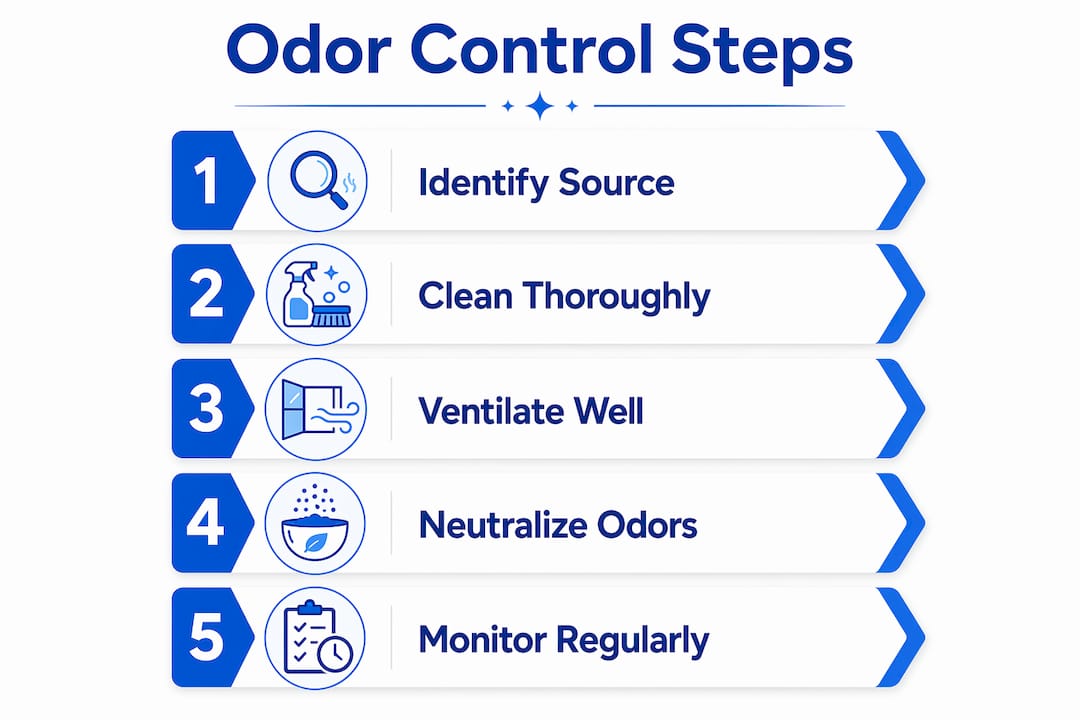
- Source identification: Train staff or household members to locate odor origins before cleaning begins. A “smell detective” approach means checking drains, HVAC filters, upholstered furniture, and wall cavities, not just visible surfaces.
- Enzymatic cleaners: These break down organic molecules at the molecular level. They are the correct tool for pet urine, food spills, and body odor on fabric and grout.
- Activated charcoal: Activated charcoal placed in odor-affected rooms absorbs ambient smells effectively when combined with regular cleaning and ventilation.
- Disinfectant wipes: Commercial disinfectant wipes reduce odor-causing bacteria on hard surfaces during routine cleaning.
- Baking soda: Baking soda sprinkled on carpets and vacuumed absorbs moisture and odors in damp areas like basements. It costs almost nothing and works immediately.
- Ventilation scheduling: Airflow is not optional. It is the mechanism that removes odor molecules from the space entirely.
Pro Tip: Never mix enzymatic cleaners with bleach-based disinfectants. Bleach kills the active enzymes, making both products useless. Apply them in separate cleaning passes.
How does ventilation improve odor management?
Ventilation is the single most underused tool in residential odor control. Most homeowners run a bathroom fan for 30 seconds after a shower and consider the job done. That is not enough. Experts recommend running bathroom fans for at least 20 minutes before and after showering to subdue fungal and mildew odor sources. That 20-minute window is the difference between a bathroom that smells clean and one that develops a persistent musty baseline.
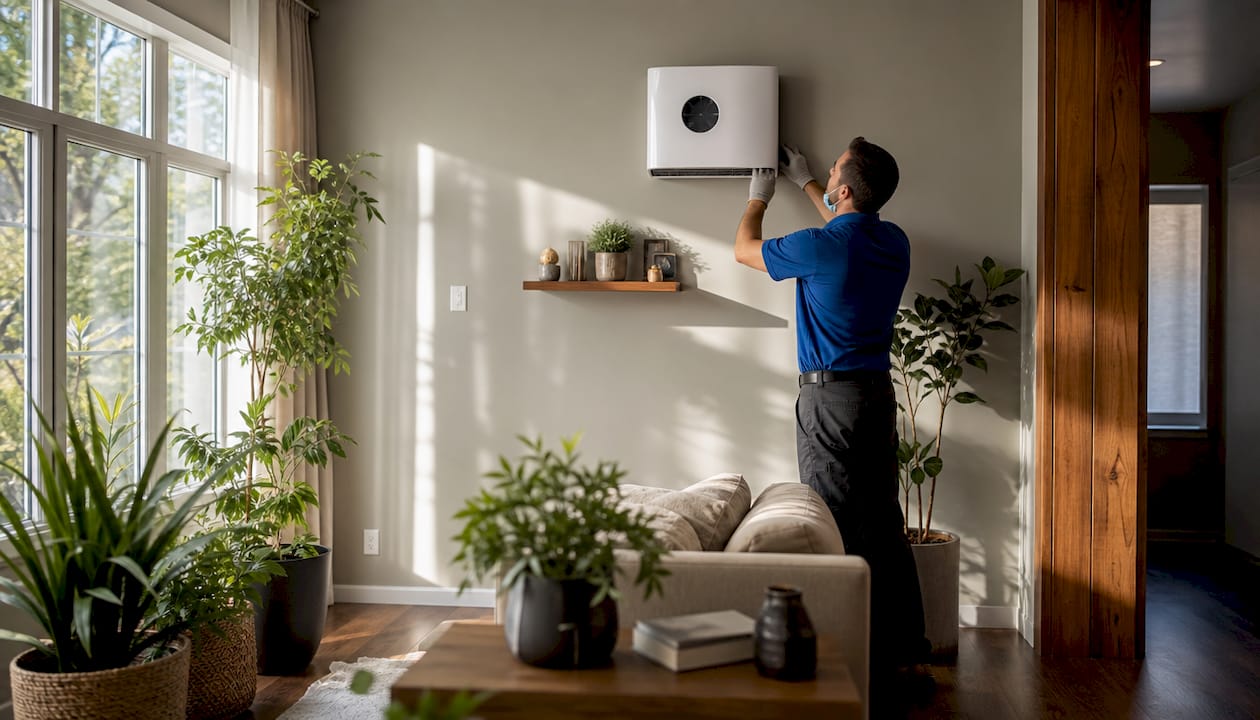
For rooms where HVAC upgrades are not financially practical, wall-mounted air purifiers with HEPA and activated carbon filters provide a cost-effective alternative. HEPA filters capture particulate matter like pet dander and dust. Activated carbon filters trap gaseous odor molecules that HEPA alone cannot catch. Placing one unit in a bedroom, kitchen, or basement delivers localized odor removal without touching the central HVAC system.
The table below compares the two main air quality approaches for odor-prone rooms:
| Approach | Best for | Cost level | Odor types addressed |
|---|---|---|---|
| Bathroom exhaust fan (20+ min) | Mold, mildew, humidity | Low | Fungal, moisture-based |
| Wall-mounted HEPA + carbon purifier | Pet, smoke, food, chemical | Medium | Particulate and gaseous |
Pro Tip: Place a wall-mounted air purifier near the door of an odor-prone room, not in the corner. Air enters and exits near doorways, so that placement maximizes the volume of air the unit processes.
For homeowners exploring air purification options beyond standard fans, wall-mounted units designed for commercial spaces often outperform residential-grade models at a comparable price point.
Proactive vs. reactive odor management for property managers
Reactive odor management means waiting for a tenant complaint or a guest review before acting. Proactive odor management means scheduling inspections, monitoring moisture levels, and addressing odor risks before they become odor problems. Facilities that adopt proactive odor protocols face lower costs and reduced reputational risk compared to those that respond only after complaints arrive. That finding applies directly to residential property managers who manage multiple units or short-term rentals.
A proactive approach uses three practical tools:
- Scheduled odor assessments: Walk every unit or room on a fixed calendar, not just between tenants. Monthly walkthroughs catch moisture buildup, filter neglect, and early mold growth before they become expensive remediation projects.
- Usage pattern mapping: High-traffic kitchens, pet-friendly units, and basement storage areas carry higher odor risk. Assign more frequent cleaning cycles to these zones based on actual use, not a generic schedule.
- Data-driven monitoring: Humidity sensors and CO2 monitors flag conditions that predict odor development. A room holding above 60% relative humidity is a mold event waiting to happen. Catching it at 65% costs far less than remediating it at 80%.
Reactive management, by contrast, compounds costs. Emergency odor remediation after a tenant vacates a smoke-damaged unit costs significantly more than a monthly ventilation check would have. Proactive odor protocols also protect property reputation in ways that reactive fixes cannot. A single negative review citing odor can suppress booking rates for weeks on short-term rental platforms.
Property managers overseeing premium rentals understand this calculus well. Odor-free environments are not a luxury feature in that market. They are a baseline expectation.
Daily housekeeping routines and staff training for lasting odor control
Consistent odor control requires a daily workflow, not a weekly deep clean. The most effective housekeeping sanitation standards treat odor prevention as a continuous process, not a periodic event. Routine housekeeping checks should include inspection for odors and use of enzymatic cleaners and activated charcoal to neutralize sources rather than mask them.
A practical daily routine for homeowners and property managers covers these priorities:
- High-touch surface disinfection: Doorknobs, light switches, faucet handles, and remote controls harbor bacteria that generate odor. Wipe them daily with a disinfectant product rated for bacteria elimination.
- Drain maintenance: Kitchen and bathroom drains accumulate organic residue that produces sulfur-like odors. Flush drains weekly with an enzymatic drain cleaner, not bleach, which only temporarily suppresses the smell.
- Trash management: Empty kitchen waste bins daily. Line bins with odor-absorbing bags or place a small piece of activated charcoal at the bottom of the bin.
- Textile rotation: Towels, bed linens, and upholstery cushion covers hold odors that hard surfaces do not. Wash textiles on a schedule that matches their use frequency, not a fixed weekly cycle.
- Filter and equipment maintenance: HVAC filters, vacuum filters, and air purifier cartridges accumulate odor-causing particles. A clogged filter recirculates odors rather than removing them. Replace filters on the manufacturer’s schedule without exception.
Staff training in managed properties adds another layer. Proper use of PPE, including gloves, masks, and eye protection, is required for safe handling of cleaning chemicals and odor neutralizers. Staff who skip PPE are more likely to dilute or misapply products to avoid skin contact, which reduces effectiveness and creates safety risk.
Pro Tip: Build a simple odor log for each room or unit. Note the date, odor type, location, and product used. Patterns in the log reveal chronic sources that a single cleaning pass will never fix.
For homeowners looking to build sustainable odor prevention habits, the daily routine above addresses the most common sources without requiring expensive products or professional intervention. The key is consistency. A protocol followed 80% of the time produces 80% of the results. Full adherence is what separates a fresh property from one that always seems slightly off.
Automotive interiors follow the same logic. Odor molecules embed in fabric, foam, and plastic the same way they do in residential upholstery. Techniques developed for vehicle odor removal often translate directly to residential fabric care, particularly for smoke and pet odors in upholstered furniture.
Key Takeaways
A housekeeping odor protocol works because it targets odor sources directly through structured cleaning, ventilation, and neutralization, rather than masking smells with fragrance.
| Point | Details |
|---|---|
| Define the source first | Identify whether odors are organic, mold-based, smoke, or chemical before selecting a treatment. |
| Ventilate with intention | Run bathroom fans for at least 20 minutes after showering and use HEPA-carbon purifiers in high-risk rooms. |
| Go proactive, not reactive | Schedule monthly odor assessments to catch moisture and mold issues before they become costly repairs. |
| Use the right neutralizers | Enzymatic cleaners, activated charcoal, and disinfectant wipes each address different odor types. |
| Train and maintain consistently | Staff PPE compliance and regular filter replacement are non-negotiable for sustained odor control. |
What I’ve learned from years of working with odor-affected properties
The most common mistake I see is treating odor control as a cleaning problem when it is actually a systems problem. Homeowners buy the right products, apply them correctly, and still end up with the same smell two weeks later. The reason is almost always the same: they cleaned the surface but left the source intact. A musty basement that gets mopped but never dehumidified will smell musty again by next Tuesday.
The second mistake is over-relying on fragrance. Scented sprays, plug-in diffusers, and candles are not odor management. They are odor competition. The underlying smell does not disappear. It sits beneath the fragrance and resurfaces the moment the masking agent fades. A property that smells like lavender and mildew is still a mildew problem.
What actually works is the combination of source removal, neutralization, and airflow. None of the three alone is sufficient. Enzymatic cleaners without ventilation leave residual moisture. Ventilation without neutralization moves odor molecules around the space rather than eliminating them. Neutralization without source removal is a temporary fix at best.
The eco-friendly approach Masterodorremoval uses, which avoids ozone and chlorine treatments entirely, reflects a principle I believe strongly: the safest odor removal method is also the most durable one. Harsh chemical treatments often damage materials, leave their own residual odor, and require repeat applications. Green-certified methods that address the biological source of the odor produce results that last.
— Master
Professional odor removal for homeowners and property managers
When a protocol is not enough, professional intervention is the next step.

Masterodorremoval provides commercial odor removal services for homes, managed properties, hospitality venues, and specialty environments. Every service uses eco-friendly, green-certified methods with no ozone or chlorine treatments. Same-day and next-day availability means odor problems do not have to wait for a scheduled maintenance window. For properties where odor has moved beyond what a daily protocol can address, whether from smoke, pet damage, mold, or long-term neglect, Masterodorremoval’s licensed professionals identify the source and eliminate it permanently. Explore tailored odor elimination options built for properties where results need to last.
FAQ
What is a housekeeping odor protocol?
A housekeeping odor protocol is a documented system of cleaning, ventilation, and neutralization steps designed to detect and eliminate indoor odors at their source. It differs from standard cleaning by assigning specific products, frequencies, and inspection methods to each odor risk zone in a property.
How often should odor inspections happen in a managed property?
Monthly walkthroughs are the minimum for managed properties. High-traffic units, pet-friendly spaces, and basement areas warrant more frequent checks based on usage patterns and humidity readings.
What is the best product for neutralizing organic odors?
Enzymatic cleaners are the most effective tool for organic odors like pet urine, food spills, and body odor. They break down odor-causing molecules at the source rather than masking the smell with fragrance.
Does ventilation alone solve indoor odor problems?
Ventilation removes odor molecules from the air but does not neutralize the source. Running bathroom fans for at least 20 minutes after showering controls mildew, but ventilation must be combined with cleaning and neutralization for lasting results.
When should a homeowner call a professional odor removal service?
Call a professional when odors return within days of cleaning, when the source cannot be located, or when smoke, mold, or pet damage has penetrated porous materials like subfloor, drywall, or foam padding. Surface-level protocols cannot reach embedded odor molecules in structural materials.
Recommended
- Top 9 ways to prevent odors in properties sustainably – Master Odor Removal
- How to schedule odor removal for luxury properties – Master Odor Removal
- Pet odor removal for property managers: eco-friendly solutions – Master Odor Removal
- Hotel Odor Control Guide for Property Operators – Master Odor Removal
Recent Comments