
TL;DR:
- Pet odors originate from urine, dander, saliva, and wet dog scent, settling deep within materials.
- Professional treatments are necessary when odors persist after deep cleaning or recirculate through HVAC systems.
- Sustainable, eco-friendly methods and regular maintenance help prevent and control pet odors in luxury homes.
Your home is immaculate. The finishes are custom, the upholstery is hand-selected, and every room tells a story of refined taste. Then a guest walks in and notices something else entirely: that unmistakable pet smell lingering in the air. Persistent pet odors don’t just affect your comfort, they quietly erode the atmosphere and perceived value of even the most carefully designed residence. Quick fixes like sprays and candles rarely address what’s actually happening beneath the surface. This guide covers how to identify odor sources, prepare your home for treatment, apply effective eco-friendly methods, and know when to call in professionals who specialize in luxury interiors.
Table of Contents
- Understanding pet odors: Sources and why they persist
- Preparing for odor removal: What you need and what to expect
- Step-by-step odor removal: Methods for luxury homes
- When DIY isn’t enough: Signs your home needs professional odor removal
- Maintaining a fresh, pet-friendly home: Sustainable habits
- Expert perspective: Why luxury homes demand more than typical odor removal
- Discover professional, eco-friendly pet odor removal solutions
- Frequently asked questions
Key Takeaways
| Point | Details |
|---|---|
| Surface vs. deep odors | DIY solutions help with surface pet odors but usually can’t tackle deeply embedded smells. |
| Eco-friendly effectiveness | Activated charcoal and certified products deliver the best green results for persistent pet odors. |
| When to call experts | Persistent or structural odors need professional services for full elimination. |
| Sustainable prevention | Routine eco-friendly cleaning and spot treatments are essential for long-term odor control. |
Understanding pet odors: Sources and why they persist
Pet odors come from more places than most homeowners realize. The four primary culprits are urine, dander, saliva, and the notorious “wet dog” aroma that clings to fabric long after your pet has dried off. Each of these has a different chemical composition, which is why a single cleaning product almost never eliminates all of them at once.
What makes these odors especially stubborn in luxury homes is the quality of the materials themselves. Dense wool rugs, silk upholstery, thick hardwood floors, and even your HVAC system can all trap odor molecules deep within their fibers and surfaces. Surface cleaning addresses what you can see and touch, but the bacteria and volatile organic compounds (microscopic odor-producing particles) responsible for the smell often live several layers deeper.
Here’s a breakdown of the most common sources and where they settle:
- Urine: Penetrates carpet padding, hardwood grain, and grout lines
- Dander: Suspends in air and settles into upholstery and drapes
- Saliva: Transfers to furniture edges, cushions, and throw pillows
- Wet dog odor: Clings to soft furnishings and circulates through HVAC filters
| Odor source | Primary location | DIY effectiveness |
|---|---|---|
| Urine | Subfloor, carpet padding | Low |
| Dander | Air, soft surfaces | Moderate |
| Saliva | Upholstery, cushions | Moderate |
| Wet dog | Fabric, HVAC | Low |
“DIY natural methods like baking soda, vinegar, and activated charcoal absorb and neutralize surface odors temporarily but are ineffective for persistent embedded odors.”
That’s exactly why odor removal specialists approach luxury interior odors differently than standard cleaning crews. The goal isn’t just to mask the smell. It’s to neutralize the source at a molecular level without compromising your materials.
Preparing for odor removal: What you need and what to expect
Before you treat anything, take stock of every area your pet frequents. Walk through each room with fresh eyes and note which carpets, furniture pieces, and air registers feel or smell most affected. Don’t overlook closets, mudrooms, and hallways where pets rest or pass through daily.
Once you’ve mapped out the problem areas, gather your eco-friendly supplies. Not all cleaning products are created equal, especially when you’re working with high-end materials that can be damaged by harsh chemicals.
Eco-friendly supplies to have on hand:
- Activated charcoal bags: For absorbing ambient odors in enclosed spaces
- Plant-based enzyme cleaners: Break down organic matter without damaging finishes
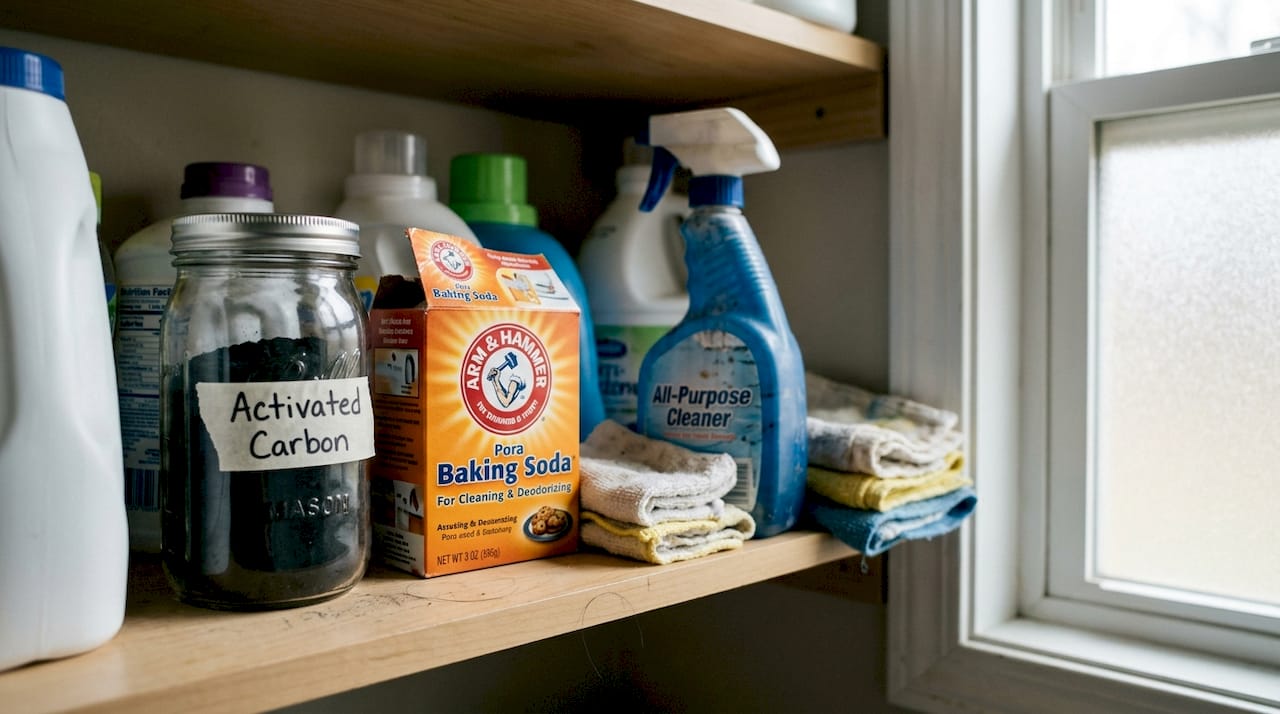
- Baking soda: A gentle surface deodorizer for low-pile rugs and upholstery
- Microfiber cloths: Trap particles without scratching delicate surfaces
- HEPA vacuum: Removes dander and particles from deep within carpet fibers
| Tool | DIY version | Professional version |
|---|---|---|
| Odor neutralizer | Baking soda, vinegar | Enzyme-based commercial formula |
| Air treatment | Activated charcoal bag | Industrial air scrubber |
| Fabric treatment | Spray bottle solution | Injection extraction system |
| Surface protection | Patch test with mild cleaner | Material-specific certified products |
Before applying any solution, move valuables and decorative items away from the treatment area. Always test any new product on a hidden section of fabric or flooring first. DIY odor removal tips can save you costly mistakes on irreplaceable materials.
As home remedies for pet odor confirm, baking soda and activated carbon can absorb pet odors on surfaces, but their effectiveness is limited for embedded smells. For move-in odor cleaning scenarios or particularly saturated areas, preparation is everything.
Pro Tip: Always patch test natural solutions on a small, hidden section of high-value fabrics before treating the full surface. Some enzyme cleaners can lighten certain dyes or loosen delicate weaves.
Step-by-step odor removal: Methods for luxury homes
With your space assessed and supplies in hand, you can work through each affected area methodically. Speed matters less than thoroughness here.
- Vacuum all fabric surfaces first. Use a HEPA vacuum on carpets, upholstery, and drapes to remove dander and loose particles before any wet treatment.
- Apply enzyme cleaner to urine-affected areas. Saturate the spot, allow it to dwell for 10 to 15 minutes, then blot (never scrub) with a clean microfiber cloth. Scrubbing spreads the bacteria deeper.
- Treat hardwood floors with a pH-neutral cleaner. Avoid vinegar on hardwood. Its acidity can strip protective coatings over time, dulling the finish.
- Place activated charcoal near persistent odor zones. Activated carbon reduces ammonia by up to 92% in controlled tests, making it one of the strongest passive odor neutralizers available.
- Replace or deep-clean HVAC filters. Pet dander and odor molecules accumulate in filters and recirculate through your entire home. A clean filter makes every other step more effective.
- Allow complete drying before reassembling the room. Moisture trapped under cushions or rugs creates mildew, which compounds the odor problem rather than solving it.
For more guidance on each of these steps, the odor removal tips section of our site offers specific product and method recommendations tailored to upscale interiors.
Pro Tip: After any deep cleaning session, open windows on opposite sides of the room to create cross-ventilation. Running a true HEPA air purifier for 24 hours afterward captures the particles your cleaning released into the air.
When DIY isn’t enough: Signs your home needs professional odor removal
Some odors simply will not leave on their own. If you’ve cleaned thoroughly and the smell returns within a day or two, that’s a reliable sign the source is deeper than surface treatments can reach.
Watch for these red flags:
- Odor persists after two or more deep cleaning attempts
- The smell intensifies in warm or humid weather (heat activates dormant bacteria)
- You detect odor near air vents (indicates HVAC contamination)
- Pets repeatedly return to the same spot to mark (they can smell what you can’t)
- Guests mention the smell despite your best efforts
| Factor | DIY result | Professional result |
|---|---|---|
| Surface odor | Reduced | Eliminated |
| Embedded urine in subfloor | Masked temporarily | Neutralized at source |
| HVAC odor contamination | Unaddressed | Treated and filtered |
| Luxury material safety | Variable | Guaranteed |
| Long-term effectiveness | Weeks | Months to permanent |
As home remedies for pet odor research confirms, DIY methods are often unable to eradicate deeply embedded pet odors, requiring professional intervention. Professionals who offer expert odor removal use green-certified treatments that penetrate subfloors, padding, and wall cavities without harming your home’s finishes or indoor air quality.
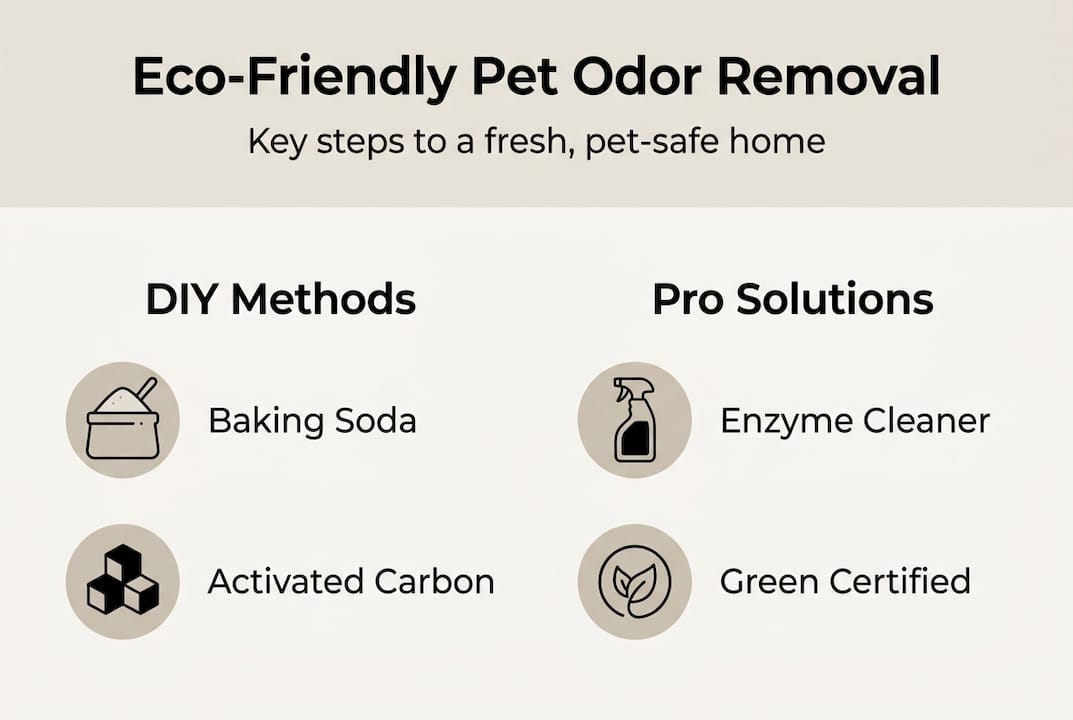
What distinguishes high-quality professional odor removal from a standard cleaning crew is the use of material-specific products, advanced injection and extraction tools, and a commitment to treating the source rather than covering it. For homeowners across the country, nationwide odor services mean access to that same expertise regardless of location.
Maintaining a fresh, pet-friendly home: Sustainable habits
Eliminating odors is a meaningful win. Keeping them gone is the real strategy. The good news is that a consistent weekly routine does most of the heavy lifting.
Sustainable habits that protect your home long-term:
- Vacuum carpets and upholstery weekly using a HEPA-filter vacuum to remove dander before it embeds
- Wash pet bedding every week with an unscented, plant-based detergent
- Spot treat accidents immediately with an enzyme cleaner rather than waiting for a scheduled cleaning
- Change HVAC filters monthly during heavy shedding seasons
- Air out rooms regularly by opening windows for at least 15 minutes each day
- Use activated charcoal bags in closets, mudrooms, and other enclosed pet areas, replacing them every 60 to 90 days
When choosing cleaning products for your home, look for third-party eco-certifications that confirm both pet safety and material compatibility. Many luxury-grade products are specifically formulated for natural stone, hardwood, and fine textiles. Check the ongoing odor prevention tips we’ve compiled for product recommendations that meet both standards.
As research on home remedies for pet odor consistently shows, DIY mitigation can help delay odors but lasting results require ongoing effort and sometimes professional support. Building these habits now protects your investment and keeps your home genuinely welcoming.
Pro Tip: Schedule a professional inspection every six months for high-value properties. A professional can identify odor buildup in areas you don’t notice yet, before it becomes a significant problem.
Expert perspective: Why luxury homes demand more than typical odor removal
Here’s something the air freshener industry doesn’t want you to think about: masking an odor and eliminating it are not the same thing, and in a luxury home, confusing the two is expensive.
We see it consistently. A homeowner invests in beautiful wide-plank white oak floors or a custom Venetian plaster wall, then reaches for a mass-market spray when their pet has an accident nearby. The spray smells fine for a day. The ammonia from the urine, however, continues breaking down the floor’s finish from below. By the time the odor returns, the damage compounds the problem.
Off-the-shelf products are formulated for average materials at average price points. They aren’t tested against silk drapes or hand-tufted wool rugs. A luxury interior specialist considers material integrity alongside odor neutralization. Those two goals must work together, not against each other.
Sustainable, eco-certified methods also raise the standard for what “clean” means in a premium residence. True freshness is neutral air with no chemical afterscent. Anything less is a compromise your home shouldn’t have to make.
Discover professional, eco-friendly pet odor removal solutions
When your home deserves more than a temporary fix, it’s time to bring in specialists who understand both the science of odor and the sensitivity of luxury materials.

Master Odor Removal offers eco-friendly odor elimination using green-certified, non-toxic treatments designed specifically for upscale residences. No ozone, no chlorine, and no compromise on your interior finishes. Our professional odor removal specialists are available same or next day, offering discreet, personalized service tailored to homes where quality is non-negotiable. Whether you’re dealing with a single stubborn room or a whole-home refresh, our luxury odor removal experts deliver permanent results you and your guests will notice immediately.
Frequently asked questions
What natural options work best for pet odor removal?
Activated charcoal and baking soda are most effective for neutralizing surface pet odors, but neither eliminates deeply embedded smells. Activated carbon removes up to 92% of ammonia in litter tests, while baking soda offers only temporary surface relief.
How can I tell if my home needs professional odor removal?
Persistent odors after thorough deep cleaning, or smells coming from air vents and wall cavities, indicate the odor has moved beyond surface reach. DIY methods often fail with deeply embedded odors, which is when expert intervention becomes necessary.
Are professional odor removal treatments safe for pets and the environment?
Eco-certified professional treatments use non-toxic, plant-based formulas that are safe for pets, children, and delicate luxury materials like natural stone and silk. Master Odor Removal avoids ozone and chlorine entirely.
How often should regular odor-prevention routines be done?
Perform spot treatments and eco-friendly cleaning at least weekly to prevent odor buildup and protect high-value interiors. Ongoing cleaning and prevention are key for lasting odor control, especially in homes with multiple pets.
Recent Comments